Apartment Vegetable Gardening: A Beginner’s Guide
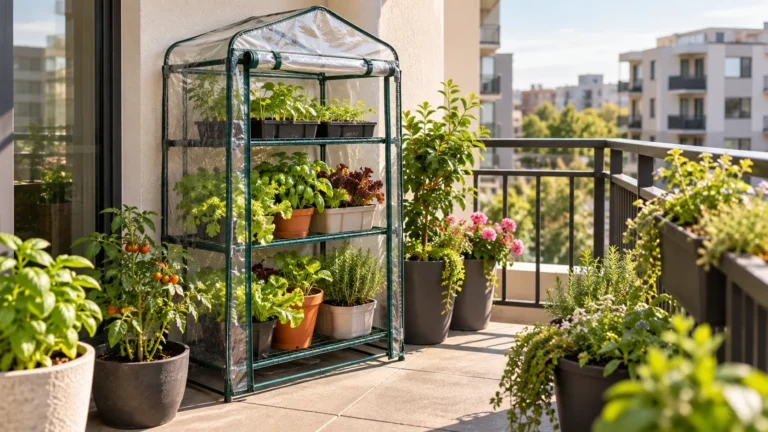
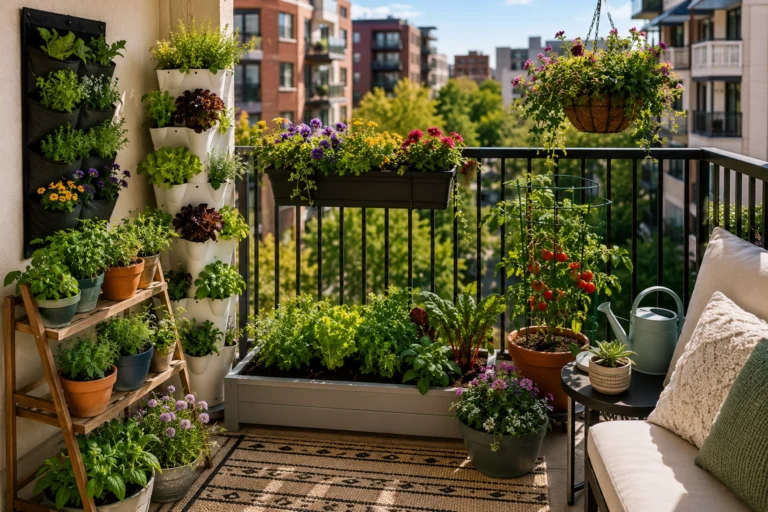
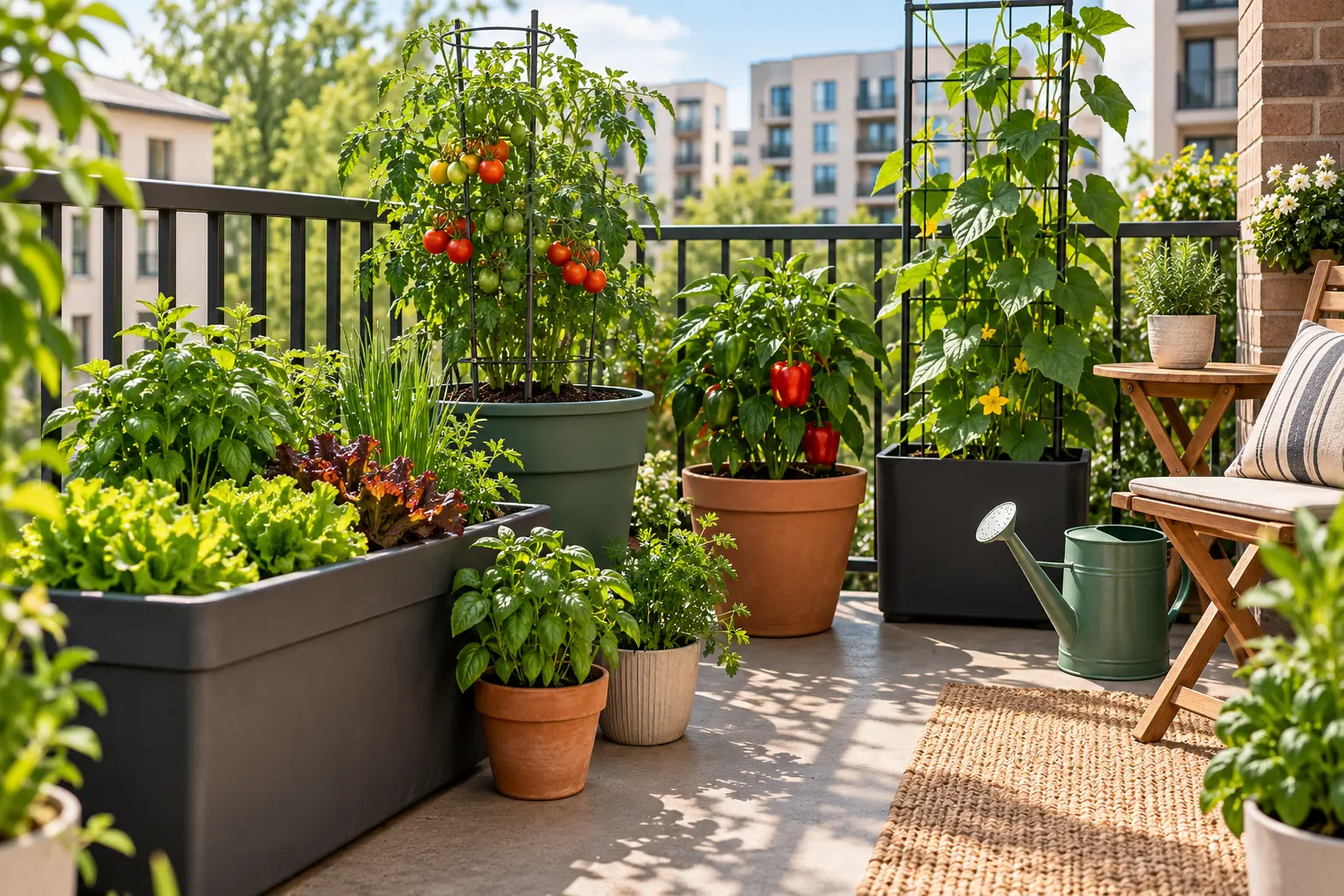
Apartment vegetable gardening can work even when you do not have a yard. A sunny balcony, patio, or suitable indoor growing area can provide enough room for vegetables when the plants, containers, and light conditions are a good match.
Before choosing what to grow, look at the space itself. How much direct sunlight does it receive? Where will the containers sit? Is water easy to reach, and where will the excess drain?
Container size matters too. Vegetables have different root systems, mature sizes, light requirements, and support needs. A shallow container that works for leafy greens may not provide enough room for a larger fruiting crop.
This guide walks through the basics of setting up and maintaining an apartment vegetable garden, including location, light, containers, potting mix, drainage, watering, feeding, support, and seasonal conditions.
In This Guide
Can You Grow Vegetables in an Apartment?
Yes. Containers make it possible to use spaces that would otherwise be too small for a traditional garden.
Virginia Tech Extension explains that a windowsill, patio, balcony, or doorstep can provide space for a productive container vegetable garden.
The amount you can grow depends more on your conditions than on the size of your apartment. A small area with useful sunlight and a few properly sized containers may be more practical than a larger space that receives very little direct light.
Start with the space you already have. A few well-chosen containers are easier to manage than trying to recreate a backyard garden in a limited area.
If you are still deciding whether you want to grow vegetables, herbs, flowers, or other plants, our apartment gardening guide covers the broader basics of growing plants in a small living space.
Start With Your Growing Location
Before buying vegetables or containers, decide where the garden will actually go. The location affects light, temperature, moisture loss, drainage, and how easy the plants will be to care for.
Virginia Tech Extension includes balconies, patios, windowsills, and doorsteps among the spaces that can be used for container vegetable gardening.
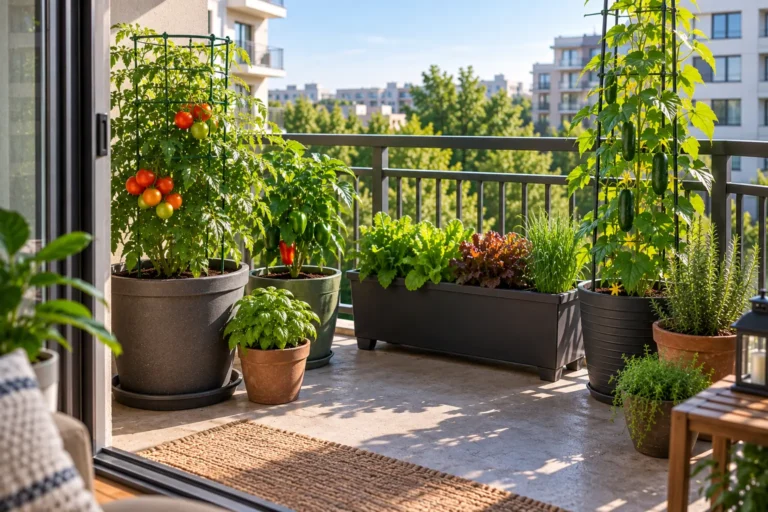
Balcony
A balcony can provide useful space for container vegetables, but conditions vary from one building to another.
Check the amount of usable sunlight, wind exposure, available floor space, drainage, and any building or lease restrictions before planting.
If a balcony will be your main growing space, our apartment balcony gardening guide covers wind, drainage, container placement, and other balcony-specific considerations.
Patio
An apartment patio can also work well for container vegetables.
Check the available sunlight, water access, drainage, and conditions around the containers before planting. The University of Maryland Extension notes that brick, stone, concrete, decking, and other hard surfaces can absorb or reflect solar energy and increase temperatures around container plants.
If you are growing on a patio, our patio gardening guide explains container setup, hard-surface heat, drainage, watering, and other patio-specific concerns.
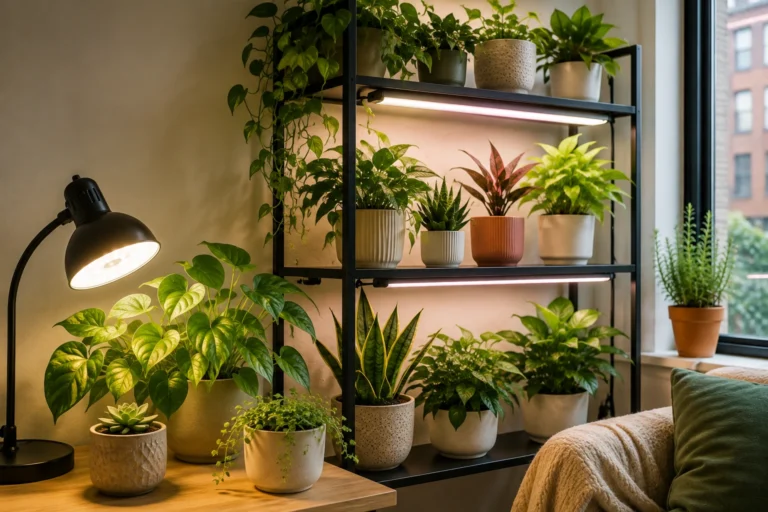
Indoors
Vegetables can also be grown inside an apartment, but light becomes especially important.
A bright window may be enough for some crops and situations, while others may need supplemental lighting. Indoor growing also requires enough room for the containers and mature plants.
Growing vegetables indoors in an apartment requires closer attention to light, available space, temperature, and the needs of the individual crop. Our indoor vegetable garden guide walks through the indoor setup and growing conditions in more detail.
Check How Much Light Your Vegetables Will Receive
Vegetable crops do not all need the same amount of sunlight.
The University of Maryland Extension notes that warm-season crops such as tomatoes, peppers, eggplants, and squash generally need about six to eight hours of direct sunlight, while leafy crops such as lettuce, spinach, and Asian greens can grow with less direct sun.
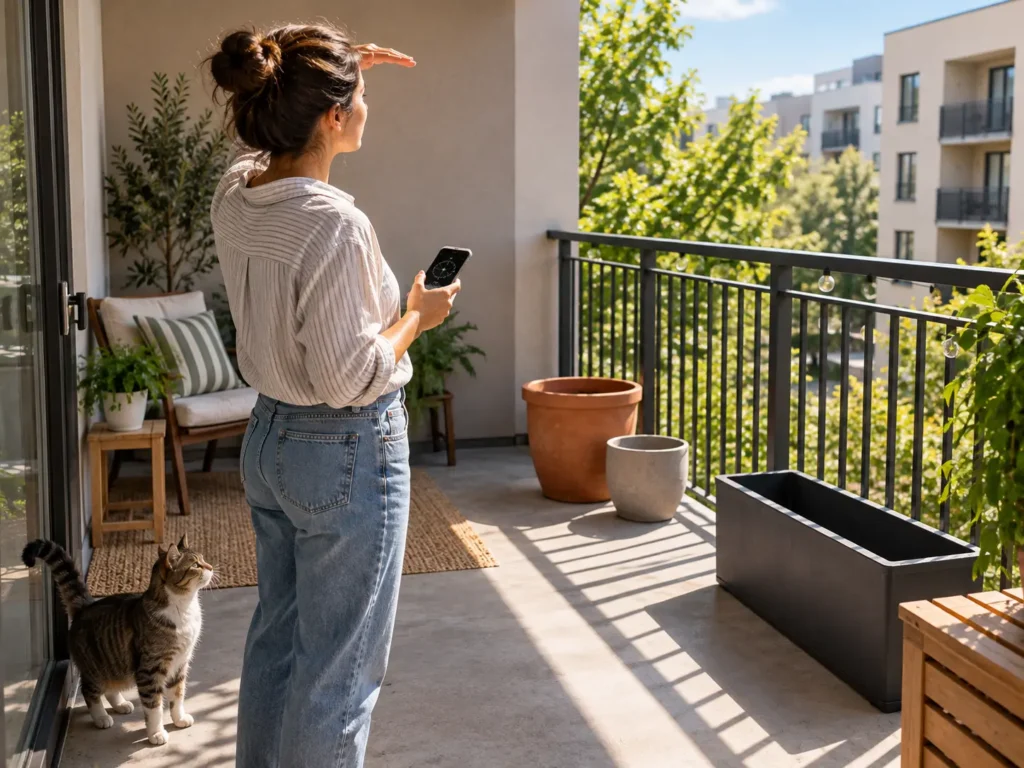
That difference matters in an apartment. Nearby buildings, balcony roofs, railings, fences, and trees can all reduce the amount of direct light reaching your plants.
It is worth watching the growing area for a few days before buying anything. Check the space at different times of day rather than assuming that a bright-looking location receives full sun.
If the area gets limited direct sunlight, choose crops that match those conditions instead of trying to force a high-light vegetable into the space.
If you’re growing on a balcony, our guide to how much sun a balcony garden needs explains how to measure direct sunlight and what you can grow with 2–4, 4–6, or 6–8+ hours of sun.
Choose Containers That Fit the Crop
Vegetable containers should be chosen around the plant, not just around what looks good on the patio or balcony.
Different crops have different root systems and mature sizes. NC State Extension explains that restricting root growth can reduce plant growth, flowering, and fruiting.
Match Container Size to Root Space
Both container depth and overall volume matter.
NC State provides crop-specific guidance showing that shallow-rooted crops such as lettuce, radishes, and scallions can use shallower growing media than crops such as carrots.
A larger pot is not automatically better. The useful size depends on the crop’s root system and mature growth.
If you’re considering a common 5-gallon container, see what vegetables you can grow in a 5-gallon bucket to compare which crops are practical for that amount of growing space.
For specific depth recommendations by crop, see our guide to how deep containers need to be for vegetables.
Larger containers can also be easier to manage because they generally hold more moisture and dry more slowly than very small pots.
For more help choosing pots, our apartment container gardening guide explains container sizing, materials, drainage, potting mix, and other considerations for growing plants in small spaces.
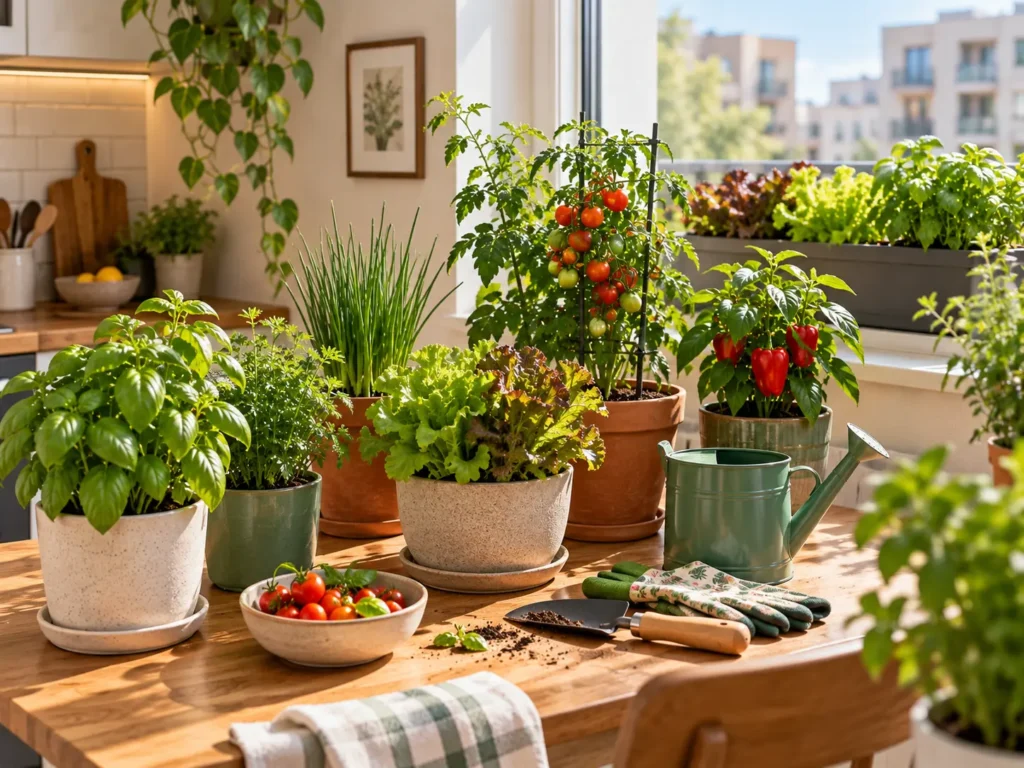
Use Containers With Adequate Drainage
Whatever container you choose, excess water needs a way out.
Drainage holes help prevent the root zone from staying saturated after watering or rain. Check decorative planters before planting rather than assuming they already have enough drainage.
Use Potting Mix Instead of Garden Soil
Container vegetables need a growing medium that holds useful moisture while still allowing air and excess water to move through the root zone.
Ordinary garden soil can become too dense in a container and may hold more water than the roots need.
NC State Extension explains that container growing media should balance water retention, drainage, aeration, fertility, and manageable weight.
Commercial potting mixes are designed for container growing and typically contain lightweight materials that create air space while holding moisture.
The University of Maryland Extension also notes that soilless growing media are lightweight, drain well, and can hold both water and nutrients.
For a beginner, a quality potting mix labeled for container use is usually simpler than trying to modify ordinary garden soil.
If you make your own compost or worm castings, our apartment composting guide explains small-space composting methods and how to use the finished material with container plants.
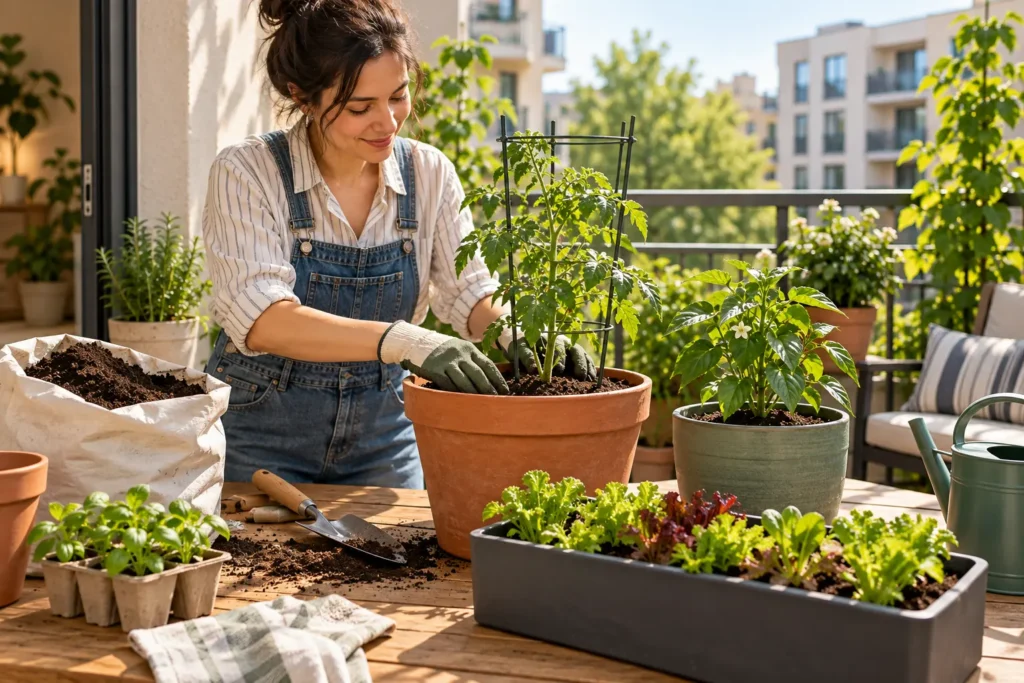
Plan for Drainage Before You Plant
Plan the drainage before you fill the container.
A good setup lets excess water leave the pot without creating unnecessary problems for the patio, balcony, or people living below you.
Make Sure Excess Water Can Escape
The University of Maryland Extension recommends adequate holes or slits in containers so excess water can drain away from the root zone.
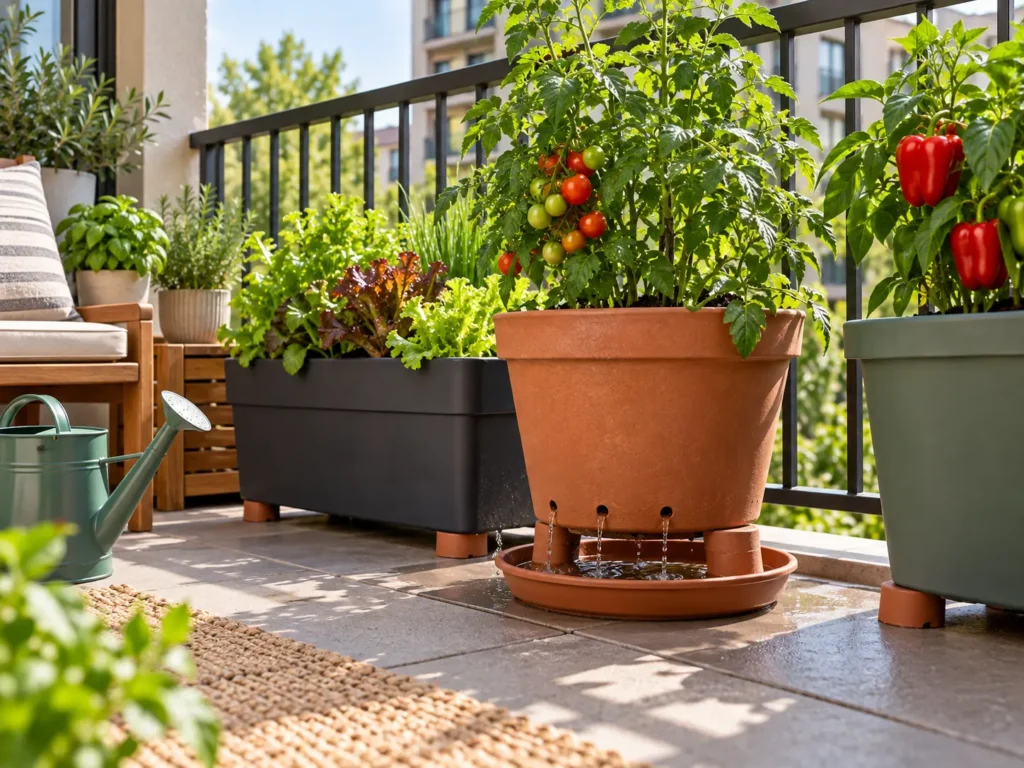
If a pot sits completely flat on a solid surface, appropriate pot feet or supports may help keep drainage openings clear.
Protect the Surface Below the Container
Drainage water can create apartment-specific problems.
Maryland Extension notes that containers can scratch surfaces and drainage water can stain concrete or wood decking.
Saucers or another suitable runoff-management method can help where appropriate. On an upper-level balcony, it is also worth thinking about where the water will go after it leaves the container.
Skip Gravel in the Bottom
Rocks or gravel in the bottom of an ordinary container do not improve drainage the way many gardeners assume.
The University of Maryland Extension advises against adding gravel or rocks to the bottom of containers as a way to improve drainage.
Gravel also takes up space that could otherwise be used by the roots. Use a suitable potting mix and adequate drainage openings instead.
Choose Vegetables That Fit Your Conditions
Once you understand your light, space, and container options, you can start narrowing down the vegetables that fit your apartment.
Avoid choosing crops simply because they appear on a generic list of easy vegetables. A plant still needs enough light, root space, water, and room to reach a useful mature size.
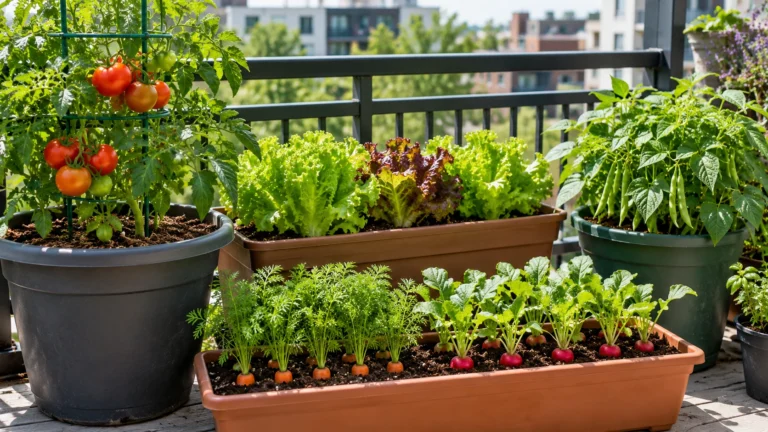
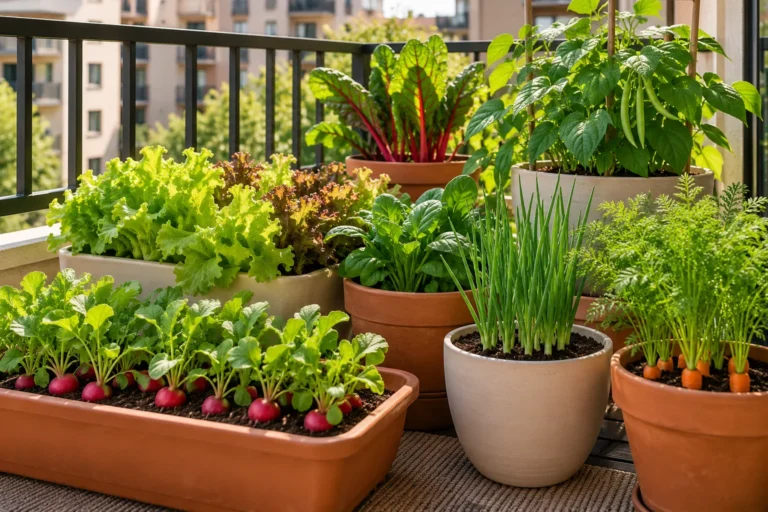
Leafy Greens
Leafy crops such as lettuce and spinach can be useful where space is limited, and some tolerate less direct sunlight than warm-season fruiting vegetables.
They can also work in sallower containers than many larger crops.
Root Crops
Radishes, carrots, beets, and other root crops need enough container depth for the edible portion and root system to develop properly.
That is one more reason to choose the container after you know what you plan to grow.
Fruiting Vegetables
Tomatoes, peppers, eggplants, and similar fruiting crops generally need stronger light and more root room than small leafy vegetables.
As they mature, they may also need more attention to water, nutrients, and support.
Climbing and Vining Crops
Some peas, beans, cucumbers, and other vining crops can use vertical support instead of spreading entirely across the floor.
That can be useful in a small apartment garden, but the container and support should be stable enough for the mature plant.
Once you know your light and available container space, you can narrow the list to the best vegetables to grow in an apartment for those conditions.
Water Container Vegetables Based on Conditions
Container vegetables need consistent access to water, but there is no single watering schedule that works for every apartment garden.
The University of Maryland Extension explains that watering frequency changes with container size and material, sunlight, wind, plant maturity, weather, and the crop being grown.
Check Moisture Instead of Following a Fixed Schedule
Feel the growing medium below the surface before deciding whether to water.
A container that still has adequate moisture does not need more water just because a certain number of days has passed.
Maryland Extension also notes that plants may wilt when the growing medium is either too dry or too wet, so wilting alone is not a reliable moisture test.
Small containers generally dry faster than larger ones, and containers in sunny or windy locations may lose moisture more quickly than those in sheltered conditions.
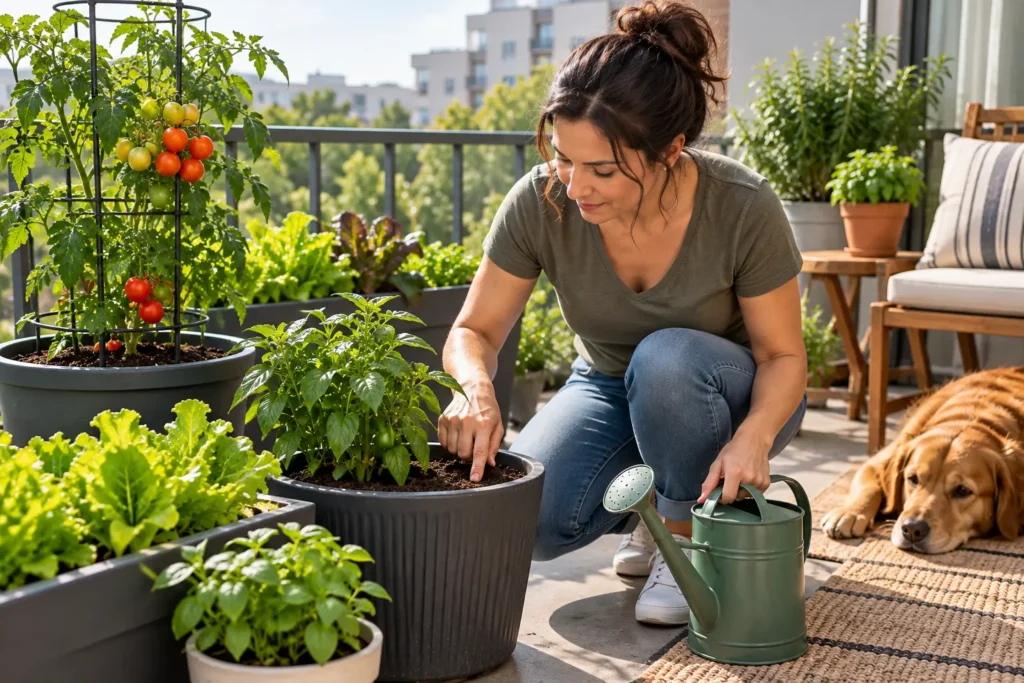
Water Thoroughly When Needed
When a conventional container needs water, moisten the growing medium thoroughly enough to reach the root zone and allow excess water to leave through the drainage openings.
Apply water to the growing medium around the base of the plant rather than simply wetting the leaves.
As plants grow, their water use changes. A young transplant and a mature vegetable filling the same container will not necessarily use moisture at the same rate.
Feed Container Vegetables During the Growing Season
Vegetables grown in containers have access only to the nutrients available within a limited amount of growing medium.
Frequent watering can also carry nutrients out through the drainage holes.
The University of Maryland Extension explains that fertilizer needs vary with the crop, container size, watering frequency, and fertilizer product.
That is why one fertilizer schedule should not be applied to every vegetable.
Follow the Fertilizer Product and Crop Needs
Read the fertilizer label and follow the directions for the product you are using.
Long-season fruiting crops may need continued feeding as they grow and produce. Maryland specifically notes that tomatoes, cucumbers, eggplants, and peppers may need repeated light fertilizer applications during a long harvest period.
Colorado State Extension also explains that container vegetables require close attention to both water and nutrients because their roots are restricted to a limited volume of growing medium.
Support Tall and Climbing Vegetables
Some vegetables need physical support as they mature.
Tomatoes may require stakes or cages, while peas, beans, cucumbers, and other climbing crops may benefit from a trellis or similar structure.
Support is easier to plan before a plant becomes large.
Add Supports Early
Illinois Extension recommends installing stakes or cages early rather than waiting until vegetable plants are already large and established.
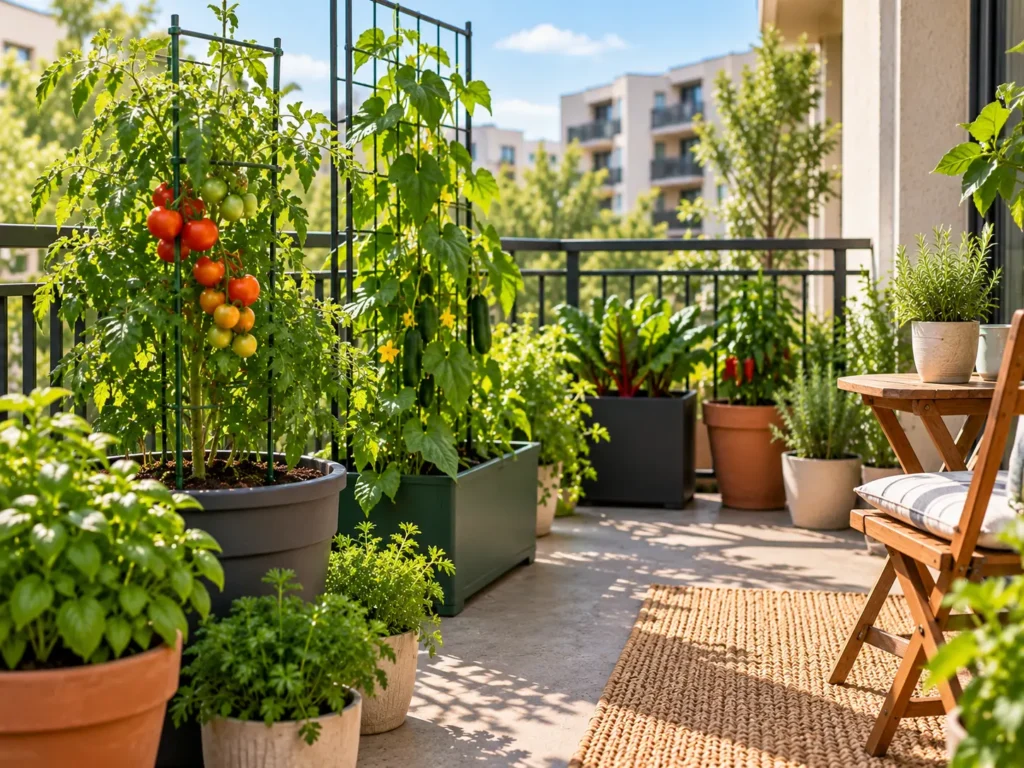
The support should fit both the container and the expected mature plant.
Vertical growing can save floor space, but it should solve a real space problem rather than simply adding another structure to an already crowded garden.
Pay Attention to Temperature and Growing Season
Living in an apartment does not remove a vegetable’s seasonal requirements.
Some vegetables prefer cooler conditions, while others need warm weather and are sensitive to frost.
Cool-Season Crops
Cool-season vegetables generally perform better during the cooler parts of the growing season.
Colorado State Extension separates cool-season vegetables from warm-season vegetables based on their temperature needs and frost tolerance.
Many leafy greens and root vegetables fall into the cool-season group.
Containers also expose the root zone to temperature changes more quickly than in-ground garden soil.
Warm-Season Crops
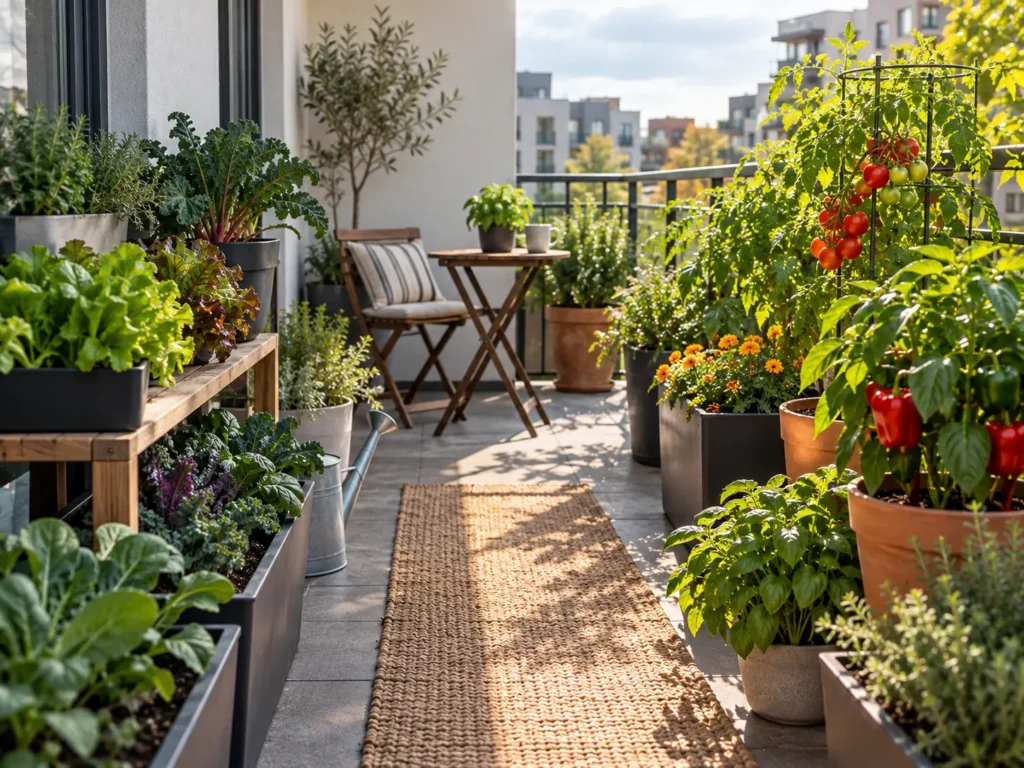
Warm-season vegetables such as tomatoes and peppers need warmer conditions and are not frost tolerant.
A few pleasant afternoons are not enough to determine whether the season is right. Local weather patterns and the needs of the crop still matter.
The University of Maryland Extension notes that container growing media can warm more rapidly than garden soil and experience larger temperature fluctuations.
Growing Vegetables Indoors
Indoor vegetable growing can work, but bringing plants inside does not remove their basic growing requirements.
Light remains especially important. A sunny window may provide useful light in some situations, but many vegetables need more light than an ordinary room receives.
If natural light is not enough, supplemental lighting may be necessary. Our guide to grow lights for indoor plants explains what to consider when choosing and using grow lights.
Growing vegetables indoors also requires enough space for containers, mature plants, watering, and support.
An indoor vegetable garden requires more attention to light, growing space, temperature, and crop selection than a typical houseplant setup.
What About Hydroponic Vegetable Gardening?
Hydroponics is another way to grow food in an apartment without using conventional potting mix.
Hydroponic systems use water and supplied nutrients around the roots, and some systems are compact enough for indoor use.
They also require their own approach to lighting, nutrients, equipment, and maintenance. If that method interests you, our indoor hydroponic garden guide covers the process in more detail.
Common Apartment Vegetable Gardening Mistakes
Most beginner problems come from a mismatch between the crop and its growing conditions.
Choosing Crops Before Checking Light
Buying vegetables before checking the available light is an easy way to end up with plants that do not fit the space.
Watch the growing area first, then choose crops that match it.
Trying to Fit Too Much Into Too Little Space
A container may look large when the plant is young but become cramped once roots and shoots mature.
Overcrowding also creates more competition for light, water, nutrients, and root space.
Choose containers and plant spacing with mature growth in mind.
Using the Wrong Growing Medium or Poor Drainage
Dense garden soil and inadequate drainage can create a poor root environment.
Use a container potting mix and make sure excess water can leave the pot.
Following a Fixed Watering Schedule
Weather, plant size, sun, wind, pot material, and container size all affect moisture loss.
Check the growing medium instead of watering only because the calendar says it is time.
Waiting Too Long to Add Supports
Tomatoes, cucumbers, beans, and other tall or climbing crops are easier to manage when supports are installed early.
Starting With Too Many Containers
A large number of small containers can require more watering and maintenance than a beginner expects.
Start with a manageable number.
Ignoring the Growing Season
A sunny balcony does not make a warm-season crop frost tolerant or a cool-season crop happy during intense summer heat.
Match the crop to your local season.
Apartment Vegetable Gardening Checklist
Before planting, work through this checklist:
- Choose the growing location.
- Observe how much usable direct light it receives.
- Decide which crop types fit those conditions.
- Choose containers based on mature root and plant size.
- Use a growing mix intended for containers.
- Check that every conventional container can drain properly.
- Decide how runoff will be handled.
- Install stakes, cages, or trellises early when needed.
- Check growing-medium moisture instead of relying on a rigid watering schedule.
- Feed container vegetables according to crop needs and fertilizer directions.
- Watch temperature and seasonal conditions.
- Start with a manageable number of containers.
You can always add another crop after you understand how your first containers behave in your apartment’s conditions.
Frequently Asked Questions About Apartment Vegetable Gardening
Can You Grow Vegetables in an Apartment Without a Balcony?
Yes. A balcony is only one possible growing location.
Depending on your available light and setup, vegetables may be grown on a patio, windowsill, doorstep, or inside an apartment.
If you have a patio rather than a balcony, our patio gardening guide covers that growing environment in more detail.
How Much Sun Do Apartment Vegetables Need?
It depends on the vegetable.
The University of Maryland Extension explains that warm-season fruiting vegetables generally need more direct sunlight than many cool-season leafy crops.
Observe the actual growing location and choose crops that fit the light you have.
What Size Containers Do Vegetables Need?
There is no single container size for all vegetables.
NC State Extension provides different container-depth recommendations for different vegetable root systems.
Shallow-rooted vegetables such as lettuce and radishes can use shallower growing media than crops such as carrots, while larger fruiting plants may need substantially more root volume.
Can I Use Regular Garden Soil in Containers?
For most apartment containers, a potting mix designed for container growing is the better choice.
NC State Extension explains why container growing media need a balance of drainage, aeration, moisture retention, and manageable weight.
Ordinary garden soil can become too dense in a pot.
Can You Grow Vegetables Indoors All Year?
Some vegetables can be grown indoors when their light, temperature, space, water, and other growing needs are met.
That does not mean every vegetable will perform well in an ordinary room year-round. Indoor conditions often need to be adjusted, especially when natural light is limited.
An indoor vegetable garden needs to be planned around those indoor conditions.
Final Thoughts on Apartment Vegetable Gardening
Apartment vegetable gardening works best when you build the garden around the conditions you actually have.
Start with the growing location. Learn how much light it receives. Choose containers that give the crops enough root space, use an appropriate potting mix, plan for drainage, and adjust watering and feeding as the plants grow.
There is no need to fill every available corner on the first day.
Start with a few containers you can care for well. Once you understand how your apartment’s light, temperature, and watering conditions affect them, adding another crop becomes much easier.