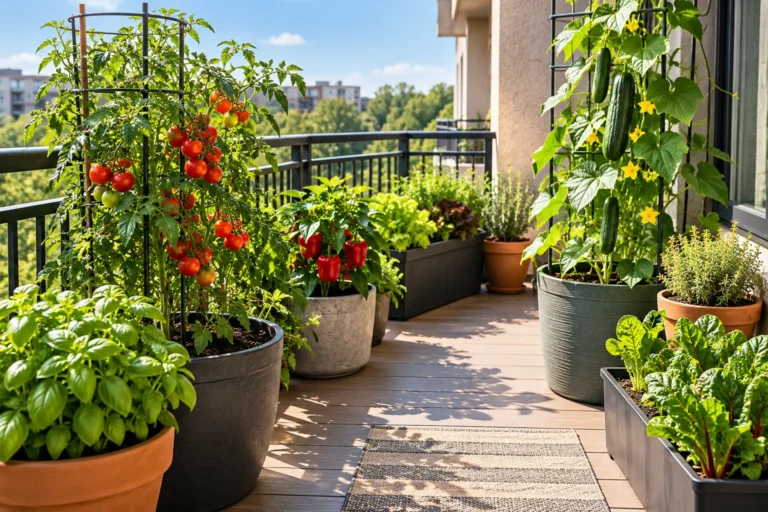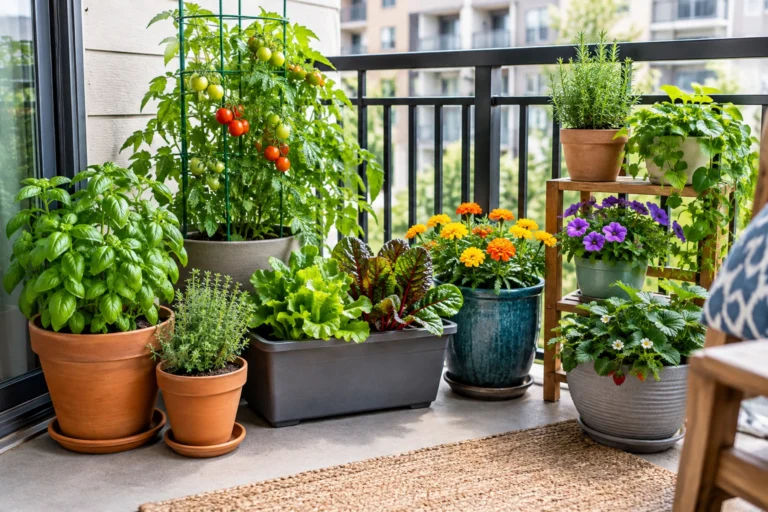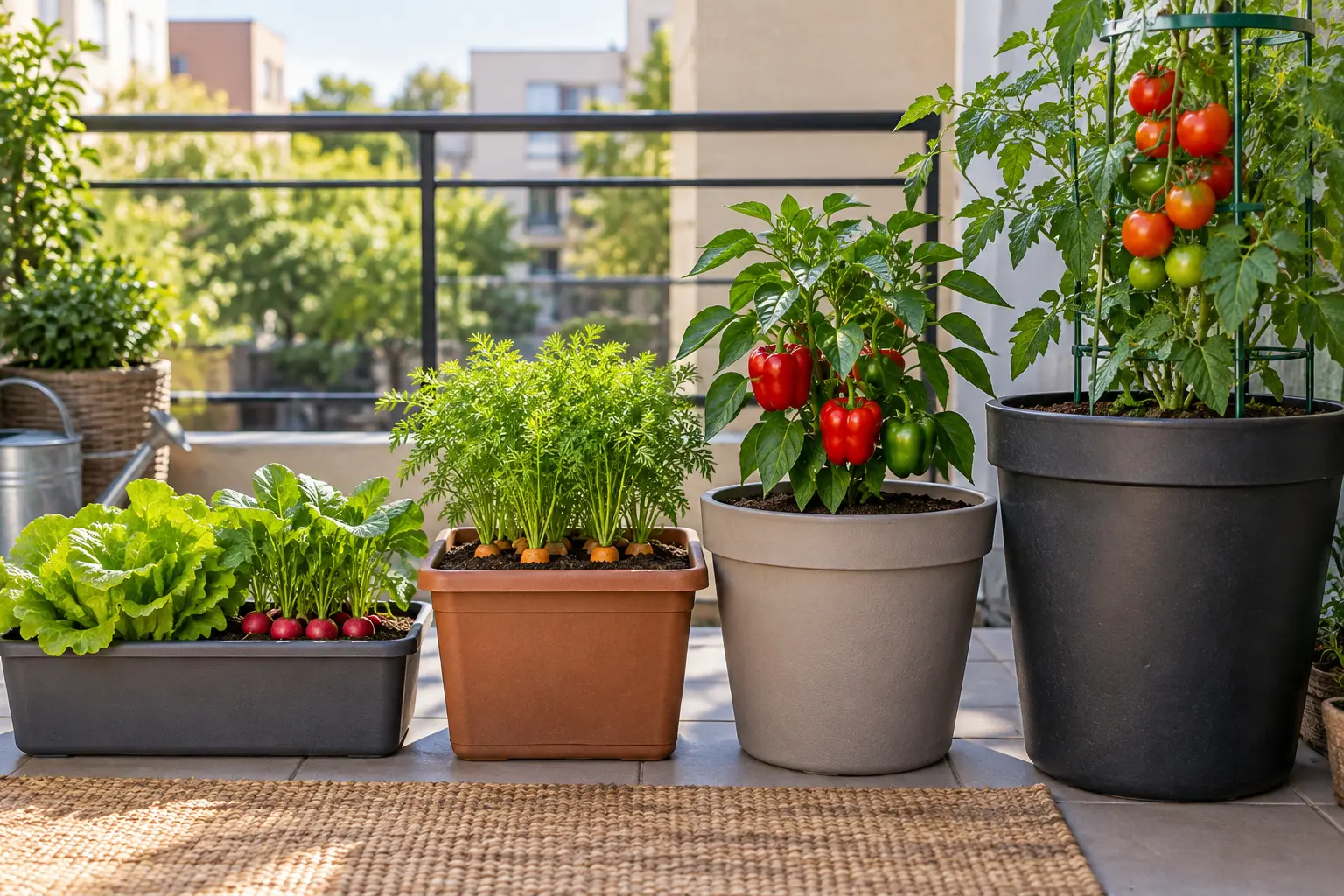
How Deep Do Containers Need to Be for Vegetables?
How deep do containers need to be for vegetables? Most container vegetables need roughly 6 to 24 inches of usable soil depth, depending on the crop. Shallow-rooted vegetables such as lettuce and radishes can grow in relatively shallow containers, while tomatoes and other larger fruiting crops generally need substantially more root space.
Container depth isn’t the only measurement that matters. The width of the pot and its total growing-media volume also affect root space and how quickly the container dries out.
Quick answer: Choose container depth based on the vegetable you want to grow rather than using one standard pot depth for every crop.
In This Guide
How Deep Do Containers Need to Be for Vegetables?
Vegetables have different root-space requirements, so a container that works well for lettuce may be too small for a tomato plant.
The chart below uses the minimum container depth and volume recommendations published by NC State Extension as a practical starting point.
| Vegetable | Minimum Depth | Minimum Volume |
|---|---|---|
| Green garlic | 4–6 inches | 1 gallon |
| Mustard greens | 4–6 inches | 1 gallon |
| Radishes | 4–6 inches | 2 quarts |
| Spinach | 4–6 inches | 1 gallon |
| Scallions | 6 inches | ½ gallon |
| Lettuce | 6–8 inches | 2 quarts |
| Beets | 8 inches | 2 quarts |
| Kale | 8 inches | 3 gallons |
| Swiss chard | 8 inches | 2 quarts |
| Beans | 8–10 inches | 2 gallons |
| Carrots | 10 inches | 2 quarts |
| Collards | 12 inches | 3 gallons |
| Peas | 12 inches | 2 gallons |
| Eggplant | 12–16 inches | 5 gallons |
| Peppers | 12–16 inches | 2 gallons |
| Tomatoes | 12–24 inches | 5 gallons |
| Squash | 12–24 inches | 2 gallons |
Important: These are published minimums from NC State Extension, not universal ideal container sizes. Other Extension programs may recommend different sizes for the same crop. Variety, container width, total volume, plant spacing, climate, and watering conditions can all affect the practical container size you need.
In this guide, container depth means the approximate usable depth of potting mix available to the roots, not necessarily the planter’s outside height. A planter with a raised bottom, reservoir, thick base, or space left below the rim may provide less actual root depth than its exterior dimensions suggest.
Why Container Depth Matters for Vegetables
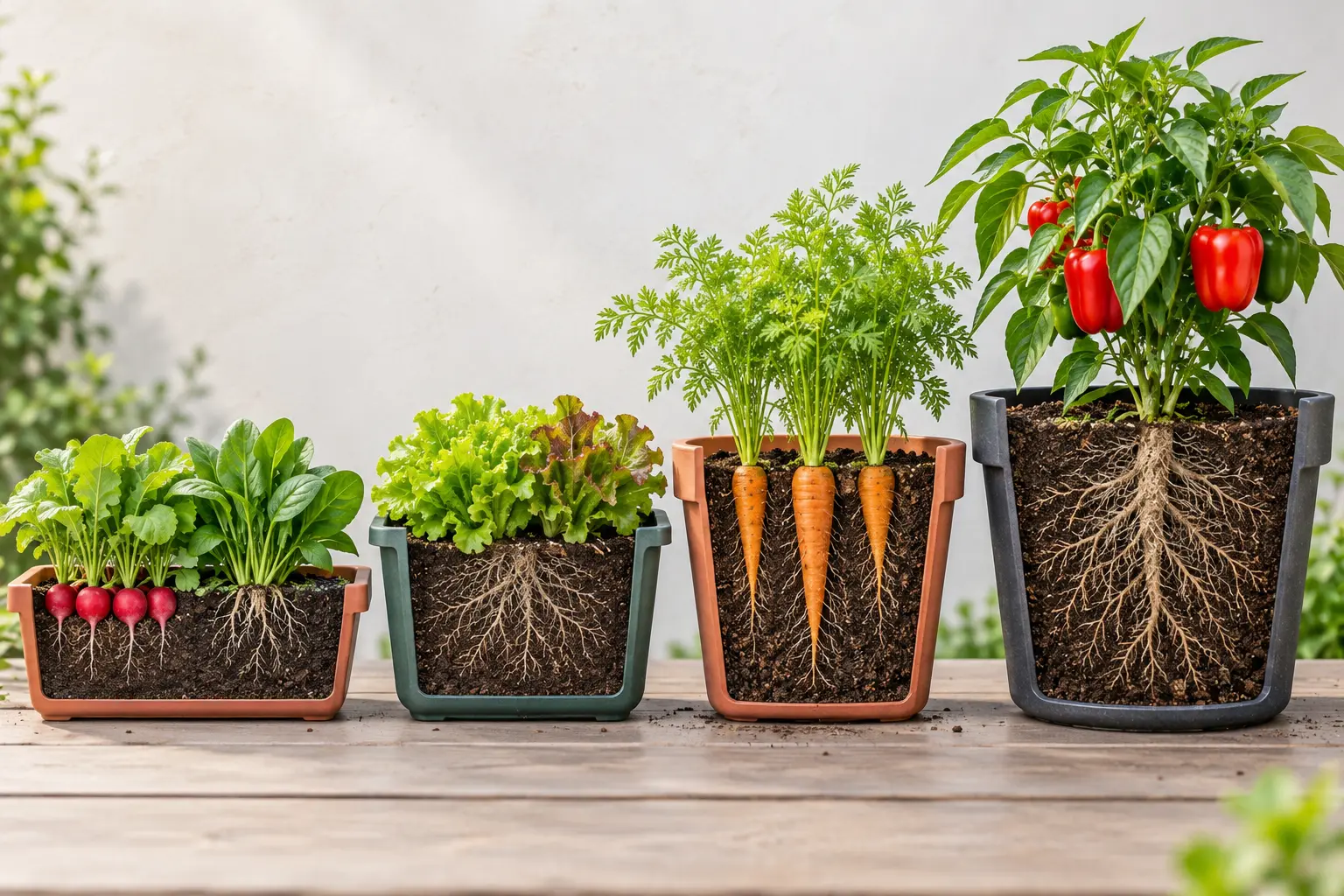
Vegetable roots need enough growing space to support the plant above the potting mix.
NC State Extension explains that restricting root growth can reduce plant growth, flowering, and fruiting. Larger containers also tend to dry out more slowly, providing a larger moisture reserve between waterings.
That means the smallest container in which a vegetable can grow isn’t necessarily the easiest container for an apartment gardener to manage.
Depth is only one part of container selection. Our guide to choosing the right container for an apartment garden covers container materials, potting mix, drainage, runoff protection, and other setup considerations.
Vegetables That Can Grow in Shallow Containers
Shallow containers can work well for apartment gardeners with limited growing space, especially for crops such as spinach, radishes, lettuce, scallions, and other leafy greens.
They require less potting mix and are generally lighter than large planters, but they can also dry out faster because they hold less growing media.
Variety still matters. For example, a small round radish doesn’t need the same vertical root space as a longer-rooted variety.
Vegetables That Need Medium-Depth Containers
Containers in roughly the 8-to-12-inch range can accommodate vegetables such as beans, carrots, peas, collards, and larger leafy greens, depending on the crop and variety.
Root vegetables deserve special attention. The mature length of a carrot or similar root crop needs to fit within the usable growing depth of the container.
The practical rule is simple: choose the container for the mature plant, not the size of the seedling when you plant it.
Vegetables That Need Deep Containers
Larger fruiting vegetables generally need more root space and total growing-media volume.
NC State Extension lists peppers and eggplants in the 12-to-16-inch range, while tomatoes and squash may need 12 to 24 inches of container depth.
University of Wisconsin Extension also emphasizes larger containers for crops such as tomatoes, peppers, eggplants, squash, and cucumbers.
This is where looking at depth alone can become misleading. A narrow 12-inch-deep pot and a wide 12-inch-deep container may provide very different amounts of growing media and usable root space.
Is 12 Inches Deep Enough for Tomatoes?
Twelve inches is at the lower end of published container-depth recommendations for tomatoes, so don’t assume every 12-inch-deep pot is large enough.
NC State Extension lists 12 to 24 inches of depth and a minimum container volume of 5 gallons per tomato plant.
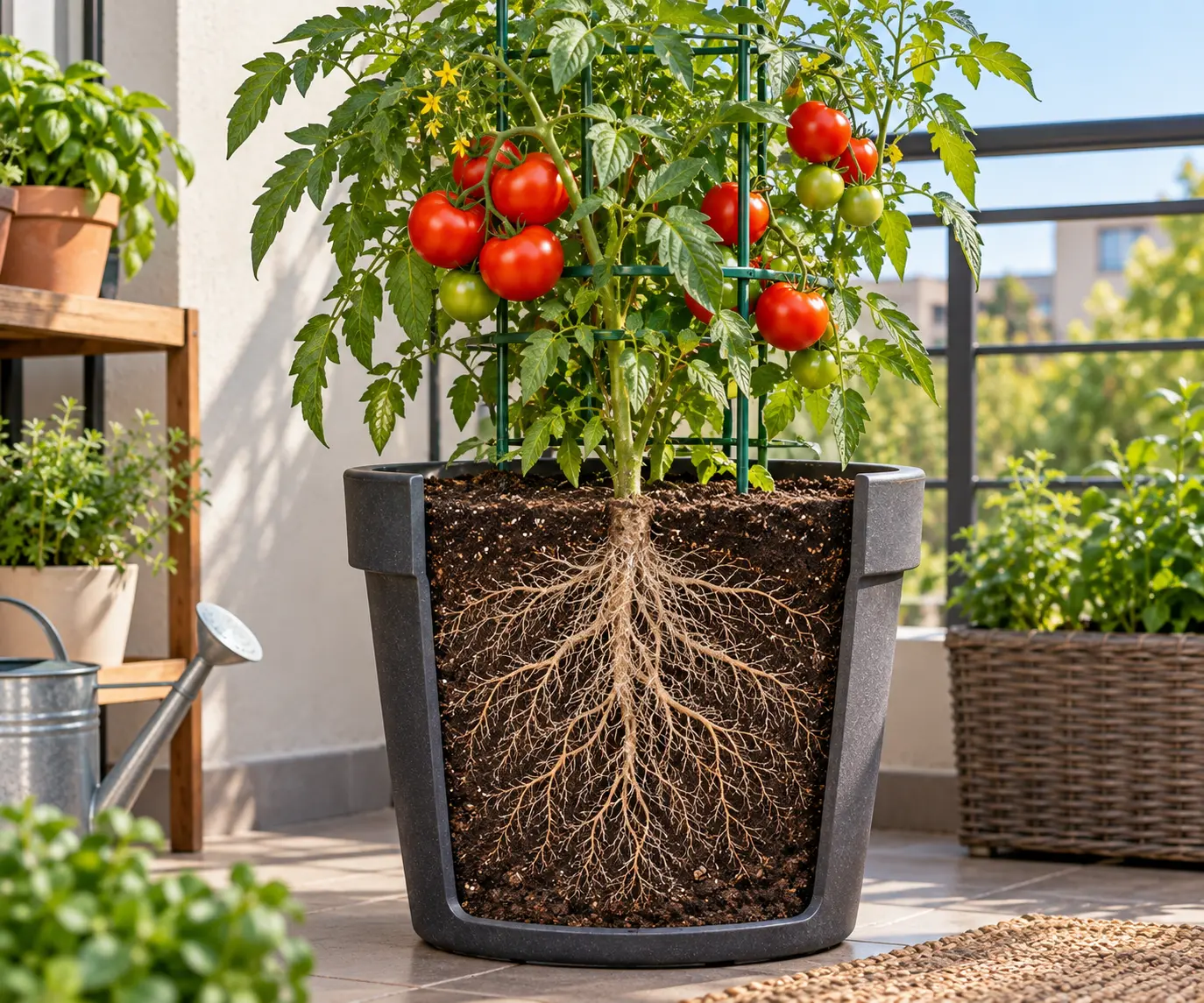
Tomato variety matters, too. A compact patio or dwarf tomato may be easier to accommodate in a container than a vigorous full-size indeterminate tomato.
Container width and total volume should therefore be considered along with depth. If you have room for a larger suitable container, the additional growing media can provide more root space and a larger moisture reserve.
Container Depth vs. Container Volume: What’s the Difference?
Three measurements can affect whether a vegetable has enough room to grow:
Depth is the vertical growing space available to the roots.
Width is the horizontal growing space.
Volume is the total amount of growing media the container can hold.
Two pots can both be 12 inches deep while holding very different amounts of potting mix.
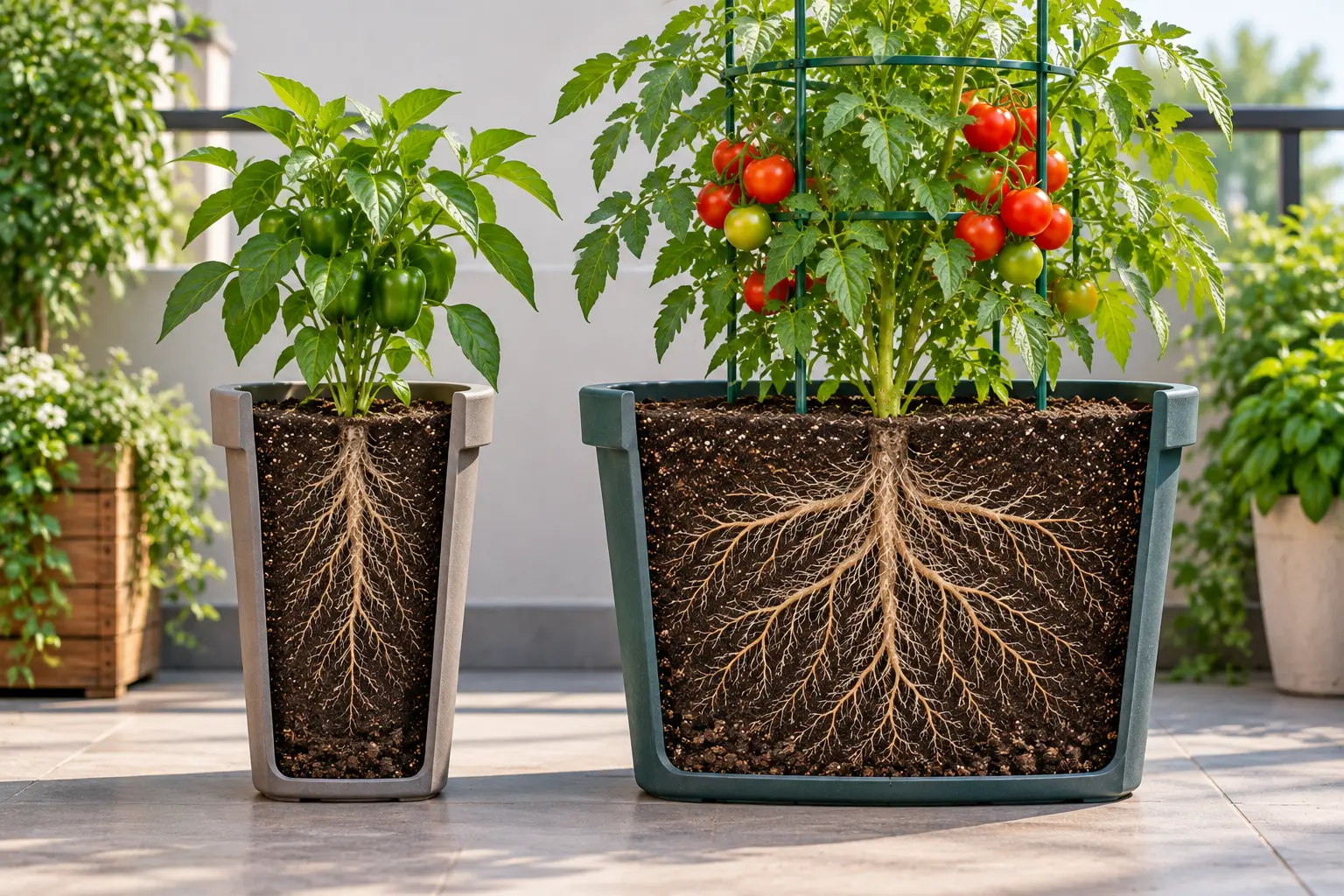
University of Maryland Extension recommends considering both container depth and total volume when choosing containers for vegetables. This becomes especially important for larger fruiting crops.
That’s why the depth chart above includes both depth and volume rather than treating pot depth as the only measurement that matters.
Is a Deeper Container Always Better?
A deeper or larger container can provide more room for roots, more growing media, and a larger moisture reserve, but that doesn’t mean every vegetable needs the biggest pot you can find.
Apartment gardeners also need to consider available space and weight. Larger containers require more potting mix and become considerably heavier once filled and watered.
This can be especially important on balconies, where you should also consider any applicable lease, property, or building restrictions.
The goal isn’t to choose the largest container possible. It’s to choose one that’s large enough for the mature vegetable while remaining practical for your apartment growing space.
Does a Vegetable Container Need Drainage Holes?
Yes. Adequate drainage is important regardless of container depth.
Excess water needs a way to escape so the growing media doesn’t remain waterlogged. University of Illinois Extension recommends containers have drainage holes and advises against placing gravel in the bottom of containers to improve drainage
For more help with potting mix, drainage, container materials, and setup, see our complete apartment container gardening guide.
How to Choose the Right Container Depth for Your Vegetable
Instead of buying a pot first and deciding what to grow afterward, work backward from the vegetable.
1. Identify the Vegetable and Variety
Check the mature size of the plant. Compact, dwarf, bush, and patio varieties may be easier to accommodate in an apartment than full-size varieties.
2. Check the Recommended Container Depth
Use the chart above as a starting point, then consider crop-specific recommendations when necessary.
3. Check the Total Container Volume
Don’t stop at depth. Make sure the container also provides enough overall growing-media volume for the mature plant.
4. Make Sure the Container Drains Properly
Adequate root depth won’t help if excess water can’t escape.
5. Consider Your Available Apartment Space
A slightly larger container may provide more root space and moisture reserve, but it also takes up more room and becomes heavier when filled.
What Vegetables Are Best for Apartment Containers?
Container-friendly choices include leafy greens, radishes, scallions, compact peppers, and appropriately sized tomato varieties, but the best choice depends on your available light, space, and container size.
If you’re still deciding what to plant, see our guide to the best vegetables to grow in an apartment.
Growing Vegetables in a Small Apartment Space
Choosing the correct container depth is only one part of growing vegetables successfully. Light, water, potting mix, nutrients, and available growing space also matter.
Our complete guide to apartment vegetable gardening covers the broader process of growing vegetables in limited apartment spaces.
Bottom Line
There isn’t one correct container depth for every vegetable.
Shallow-rooted vegetables such as spinach, radishes, and lettuce can grow in relatively shallow containers, while larger crops such as peppers, eggplants, tomatoes, and squash generally need considerably more root space.
Use the vegetable’s recommended depth as your starting point, but also consider container width, total growing-media volume, drainage, mature plant size, and your available apartment space.
The best container isn’t necessarily the biggest one. It’s the container that gives the mature vegetable enough root space while still working practically in your apartment garden.