Are Indoor Hydroponic Gardens Worth It for Apartments?
Are indoor hydroponic gardens worth it? For many apartment gardeners, yes—but mostly when the goal is a steady supply of herbs and leafy greens rather than large vegetable harvests. A compact hydroponic garden can make growing food indoors much easier when you don’t have a balcony, patio, or reliably sunny window.
That convenience comes with tradeoffs. The system takes up permanent space, the grow light uses electricity, nutrients and other supplies need replacing, and the reservoir and plants still need regular attention. If you’re hoping for an appliance that quietly produces vegetables with almost no work, hydroponics will probably disappoint you.
For apartment gardeners with realistic expectations, though, it can solve a genuine problem. The University of Minnesota Extension’s guidance on small-scale hydroponics describes hydroponics as a space-efficient option for people with little or no gardening space and points to herbs and leafy greens as especially practical indoor crops.
In This Guide
Quick Answer: Are Indoor Hydroponic Gardens Worth It?
An indoor hydroponic garden is most likely to be worth it if you regularly use fresh herbs or greens, don’t have much outdoor growing space, and don’t mind a little routine maintenance. It is much harder to justify if your main goal is saving money, growing large amounts of food, or avoiding plant care.
Here’s a quick way to judge where you fall:
| Your situation | Likely worth it? | Why |
|---|---|---|
| You regularly use fresh herbs or leafy greens | Often yes | Many compact systems are well suited to these crops |
| You don't have a balcony, patio, or yard | Often yes | You can grow without dedicated outdoor space |
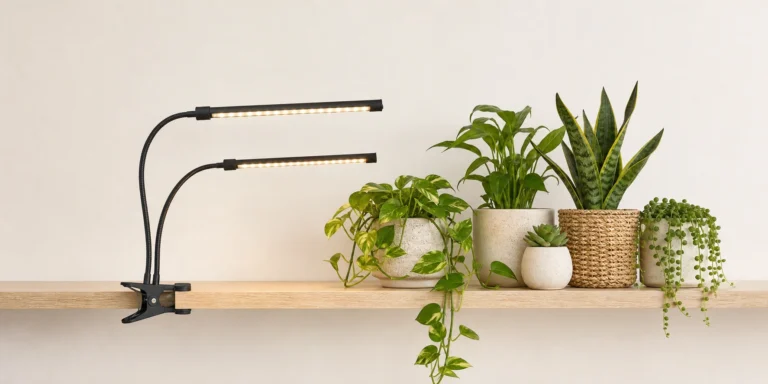
| Your apartment doesn't get enough natural light | Potentially yes | An integrated grow light reduces dependence on a sunny window |
| You want to grow throughout the year | Often yes | Indoor growing is less restricted by the seasons |
| You expect large vegetable harvests | Usually no | Countertop systems have limited root, light, and growing space |
| You want almost no maintenance | No | Plants still need water, nutrients, pruning, monitoring, and cleaning |
| You're frequently away from home | Depends | Reservoir capacity and maintenance needs become more important |
| Counter or shelf space is already tight | Maybe not | The garden needs a permanent home |
| Your main goal is saving money on groceries | Depends | Equipment and operating costs have to be considered |
| You want to grow food but have no outdoor space | Often yes | This is where indoor hydroponics can be especially useful |
The important question isn’t whether hydroponics works. It does. The decision is whether what you can realistically harvest is worth the money, space, and upkeep in your apartment.
What Makes an Indoor Hydroponic Garden Worth It?
Indoor hydroponics makes the most sense when it solves a problem that has been stopping you from gardening in the first place. Maybe your apartment has no balcony. Maybe the only window that gets decent sunlight is already crowded. Or perhaps you want herbs in the kitchen without keeping several pots of soil on the counter.
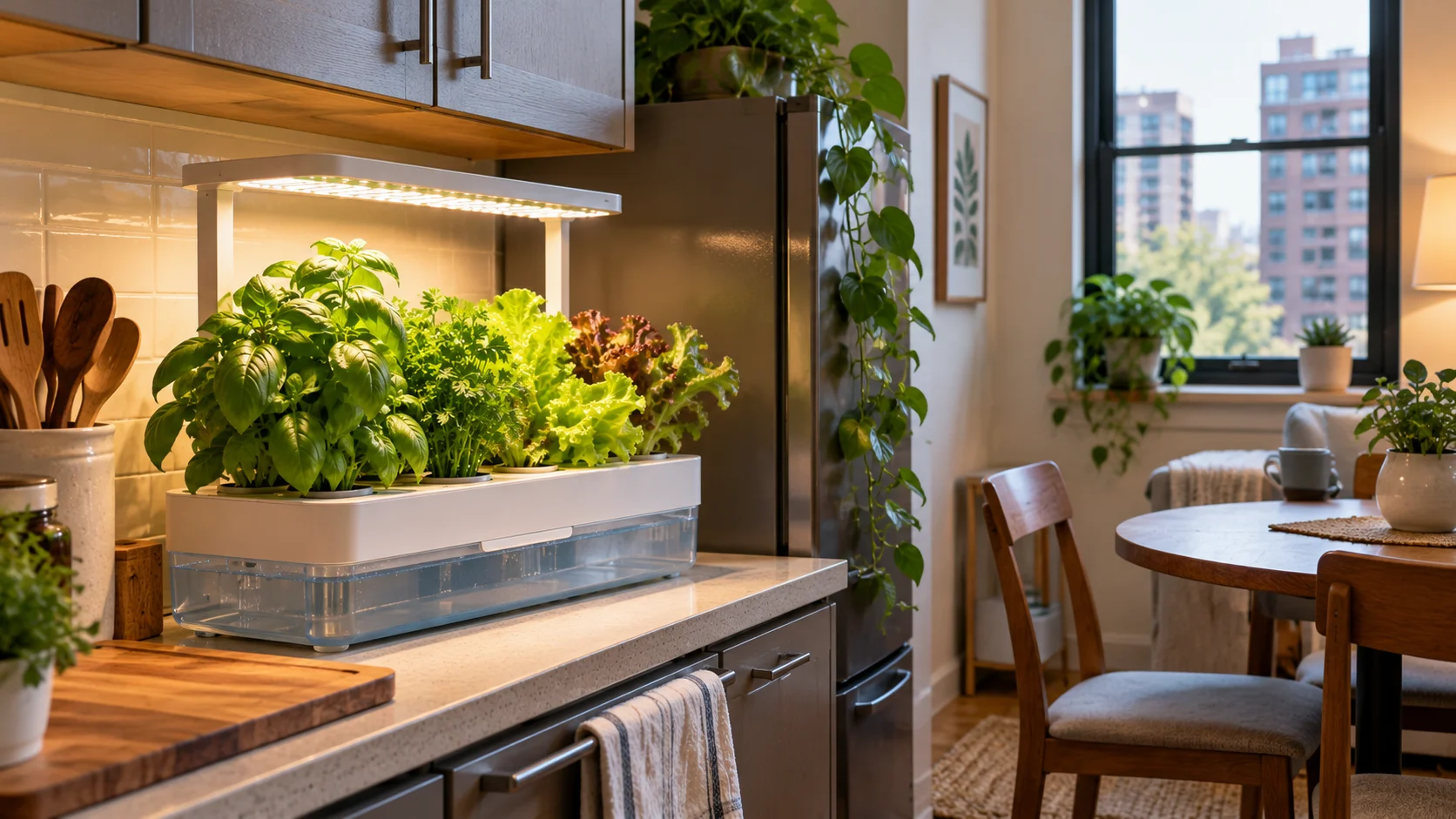
Those are much stronger reasons to consider hydroponics than simply wanting the latest indoor gardening gadget.
You Don’t Need a Balcony or Yard
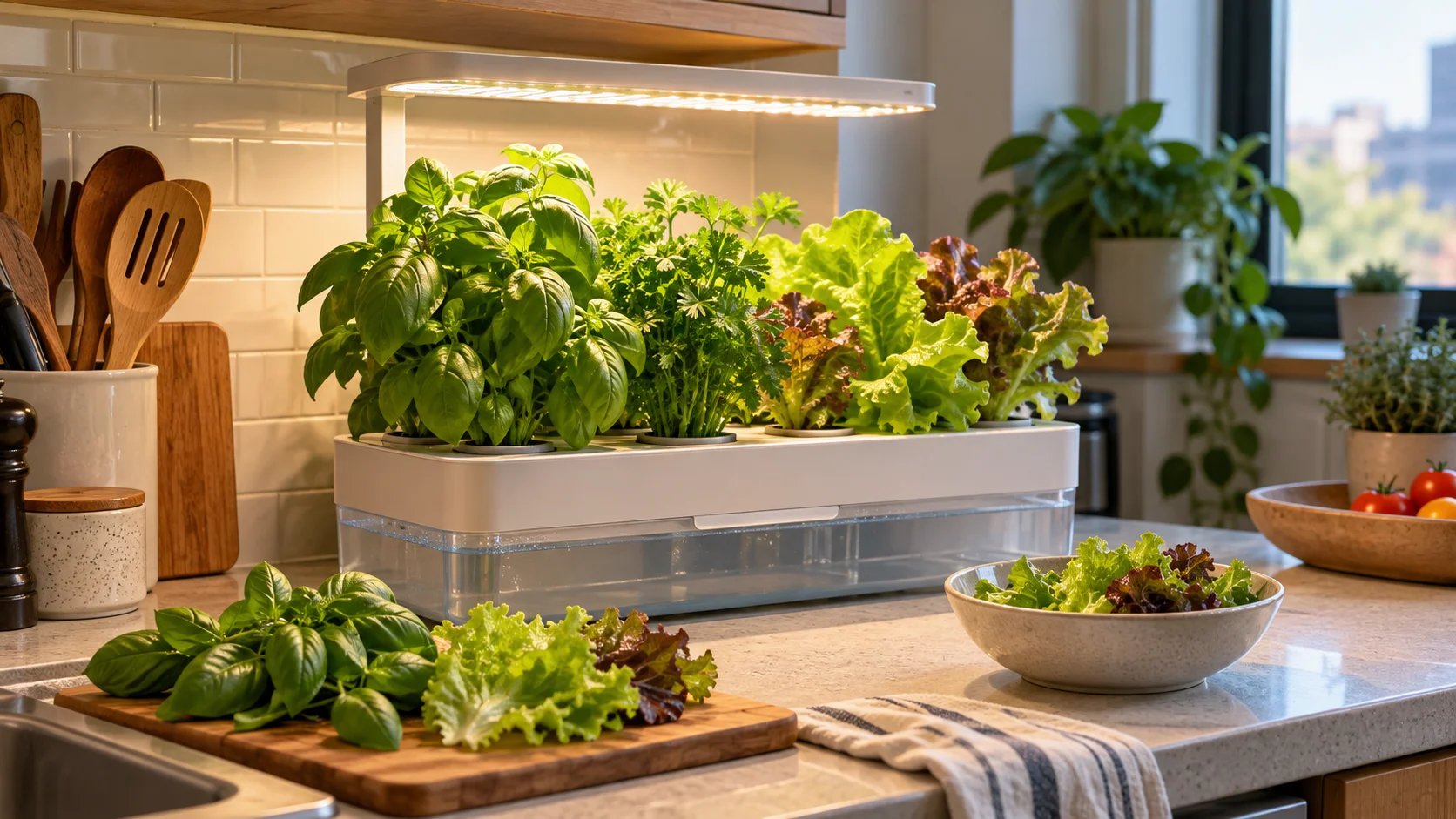
An indoor hydroponic garden can give you usable growing space even when your apartment has no outdoor space at all. Small systems can sit on a counter, shelf, table, or sturdy plant stand, provided there’s enough room for the plants and lighting.
The University of Georgia Extension’s hydroponic gardening guidance notes that small hydroponic gardens don’t require much space and can be grown wherever adequate natural or artificial light is available.
That’s a meaningful advantage in an apartment. Instead of trying to turn a dim windowsill into a vegetable garden, you can create a small growing area with its own light source.
If hydroponics is completely new to you, our indoor hydroponic garden guide explains how these systems work and what beginners need to get started.
Herbs and Leafy Greens Make the Strongest Case
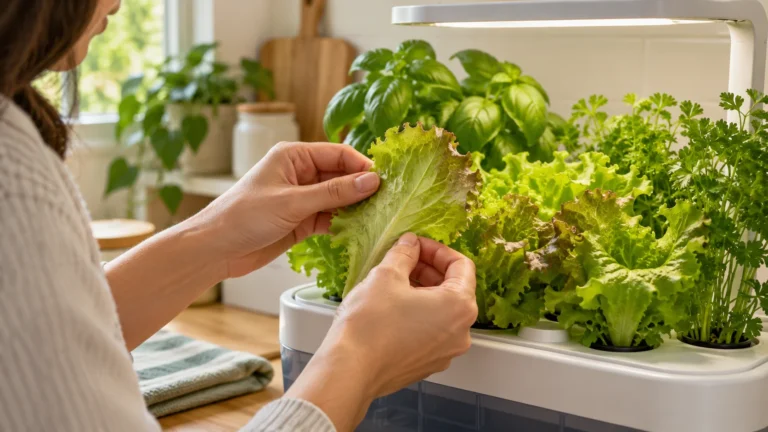
Herbs and leafy greens are some of the most practical crops to grow in a small indoor hydroponic garden. University of Minnesota Extension includes lettuce, herbs, kale, mustard greens, Swiss chard, and other leafy greens among crops that can perform well hydroponically.
These crops also make sense in an apartment kitchen. You can harvest a little basil for dinner or cut some lettuce without needing enough growing space to produce a large vegetable crop.
Repeated harvesting adds to that usefulness. University of Minnesota Extension notes that most herbs and leaf lettuce can be harvested more than once by removing mature leaves or stems while allowing the plant to continue growing.
If herbs are your main goal, hydroponics isn’t your only option. A simple indoor herb garden may be all you need if you already have a suitable sunny location.
You Can Keep Growing Through the Year
Indoor hydroponics can keep suitable crops growing through seasons when outdoor conditions aren’t practical. With enough artificial light and suitable indoor temperatures, herbs and greens don’t have to wait for spring.
University of Minnesota Extension specifically identifies year-round growing as one advantage of hydroponics.
That doesn’t make every vegetable a good year-round indoor crop. Large fruiting plants can demand much more light, room, and support than a compact herb or lettuce plant. A countertop garden is much easier to justify when its job is growing crops that actually fit the space.
There’s No Potting Soil to Store
Hydroponic gardening avoids containers filled with conventional potting mix, which can be handy when storage and cleanup space are limited. You won’t need to find room for a half-used bag of potting mix just to keep a few plants growing on the kitchen counter.
There is still gardening gear to store. Nutrients, seeds, growing media, cleaning supplies, and replacement components have to go somewhere, so a hydroponic garden shouldn’t be treated as a completely supply-free option.
What Does an Indoor Hydroponic Garden Really Cost?
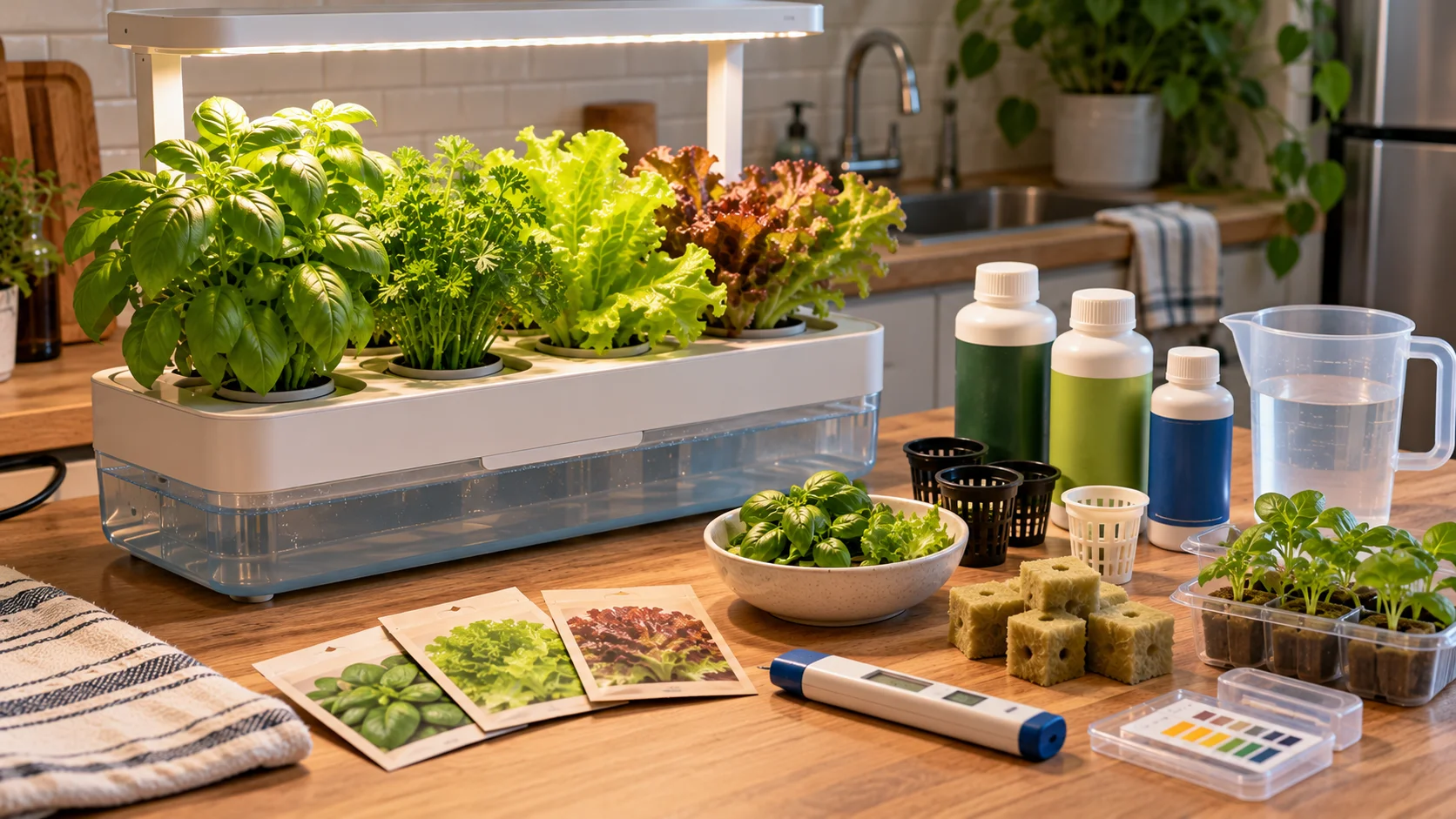
The purchase price is only part of what an indoor hydroponic garden costs. Electricity, nutrients, seeds, growing media, and occasional replacement parts can continue adding to the expense after the system is set up.
The numbers can vary too much between systems to give one useful monthly cost. A simple passive setup has very different operating requirements from a countertop garden with an LED light, pump, timer, and electronic controls.
| Cost | One-Time or Ongoing? | What Affects It |
|---|---|---|
| Hydroponic system | Mostly one-time | Size, lighting, pump, automation, and features |
| Electricity | Ongoing | Light and pump wattage and operating time |
| Nutrients | Ongoing | Crops, reservoir size, and growing cycles |
| Seeds | Ongoing | What you grow and how often you replant |
| Growing media | Ongoing | System design and whether components are reusable |
| Replacement parts | Occasional | Pumps, lights, filters, baskets, and other components |
Upfront Cost
The initial cost depends largely on whether you buy a ready-to-use countertop garden or put together a simpler hydroponic setup yourself. University of Georgia Extension discusses both commercial kits and relatively simple DIY approaches for home hydroponics.
A countertop system usually charges for convenience as much as the individual components. The reservoir, lighting, plant holders, timer, pump or aeration system, and controls may all be packaged together.
That can be worthwhile in an apartment, but don’t judge value by price alone. A cheap system that’s frustrating to refill or clean—or simply too big for your kitchen—can turn into clutter surprisingly quickly.
Ongoing Supplies
Hydroponic plants continue to use nutrients and supplies after the initial setup, so some recurring expenses are unavoidable. Seeds, nutrients and growing media are common examples, while individual systems may also use filters, baskets, replacement pumps, or other components.
Pay particular attention to proprietary supplies. Before buying a system, find out whether you can use commonly available seeds and growing materials or whether you’ll be tied to replacements made for that particular garden.
Electricity
Powered hydroponic gardens use electricity for their grow lights and may also use it for pumps or aeration. How much that costs depends on the wattage of the equipment, how long it runs each day, and your electricity rate.
University of Georgia Extension distinguishes between active systems that use powered equipment to move or aerate nutrient solution and passive systems that don’t rely on powered circulation. Its example home system also uses artificial lighting for at least 12 hours per day.
That’s why a blanket claim such as “hydroponic gardens cost only a few dollars a month to run” isn’t particularly useful. Check the wattage and operating schedule of the system you’re considering instead.
Will an Indoor Hydroponic Garden Save Money?
A hydroponic garden can replace some purchases of herbs and greens, but there’s no guarantee that it will save money overall. Equipment cost, electricity, nutrients, supplies, failed plants, and the amount you actually harvest all affect the calculation.
Someone who buys fresh basil, lettuce, or other greens every week has a better chance of getting useful food value from the garden than someone who rarely eats those crops.
For most apartment gardeners, it makes more sense to think of a countertop garden as a way to supplement grocery shopping. Fresh food within reach, year-round growing, and the enjoyment of keeping a garden indoors can be part of the return, too.
How Much Food Can You Realistically Grow?
A compact indoor hydroponic garden can provide useful harvests, but it isn’t a miniature farm for your kitchen counter. Herbs and leafy greens are a much more realistic target than trying to produce a large share of your household’s vegetables.
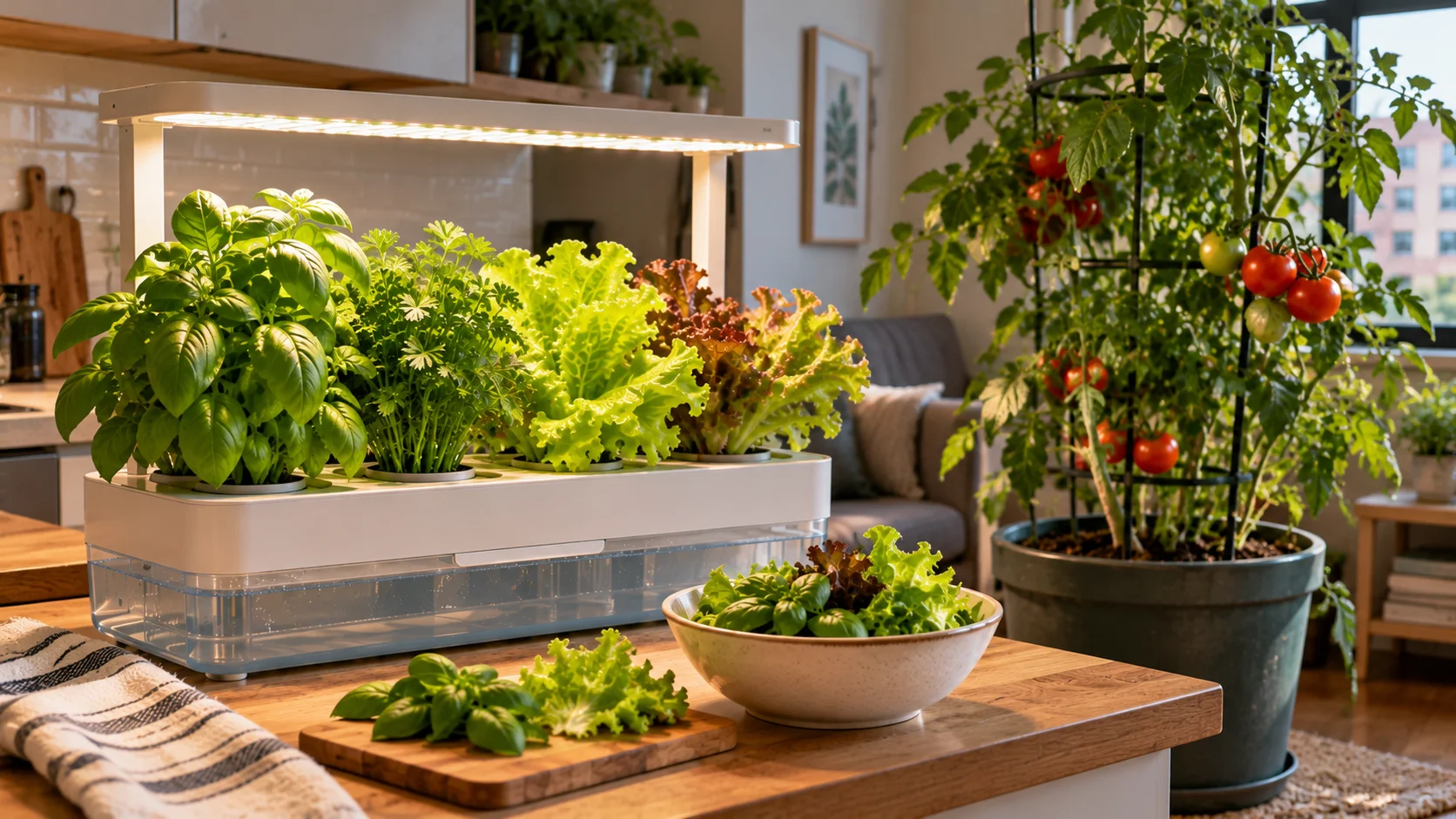
University of Minnesota Extension identifies crops such as lettuce, herbs, kale, mustard greens, and Swiss chard as good candidates for hydroponic growing. The Extension also notes that tomatoes, cucumbers, peppers, and strawberries can be grown hydroponically, but producing heat-loving crops indoors may require enough supplemental heat and lighting to become cost-prohibitive for many home gardeners.
That distinction matters. A countertop garden makes far more sense if you want basil and lettuce within easy reach than if you’re expecting baskets of tomatoes and cucumbers.
If you’re interested in growing vegetables indoors but haven’t settled on hydroponics, our indoor vegetable garden guide covers other ways to grow food inside an apartment.
How Much Maintenance Does an Indoor Hydroponic Garden Need?
An indoor hydroponic garden still needs regular attention, even when the system automates lighting or reminds you when the reservoir is low. You’ll need to add water, provide nutrients, harvest and prune plants, watch for problems, and keep the equipment clean.
The workload isn’t the same for every system. A small countertop garden with automatic lighting may be fairly straightforward, while more complex hydroponic setups require closer monitoring.
University of Minnesota Extension notes that refill frequency changes with the number and size of the plants because larger plants use more water. Its guidance also discusses monitoring pH and cleaning and sanitizing equipment between plantings.
The practical takeaway is simple: hydroponics can make indoor growing convenient, but it doesn’t make plants self-sufficient.
Cleaning Comes With the Territory
Every hydroponic garden eventually needs cleaning because water, nutrients, roots, and plant debris share the same equipment. University of Minnesota Extension recommends cleaning and sanitizing hydroponic components between plantings.
This is worth thinking about before you buy. A reservoir you can remove easily and components you can actually reach are much more appealing once it’s time to clean them.
In a small apartment, also think about where you’ll do that cleaning. A system that fits beautifully on a shelf still needs to make its way to a sink when the growing cycle is over.
How Much Space Does a Hydroponic Garden Really Need?
A countertop hydroponic garden needs more room than the dimensions of its base suggest. Mature plants spread outward, the grow light may rise considerably above the reservoir, and you need enough access to refill, prune, harvest, and clean the system.
Before buying one, measure:
- the width and depth of the available surface;
- the available height above it;
- the distance to a suitable electrical outlet;
- the space needed when the grow light is fully raised;
- the room required to refill or remove the reservoir; and
- the clearance you’ll need to reach the plants comfortably.
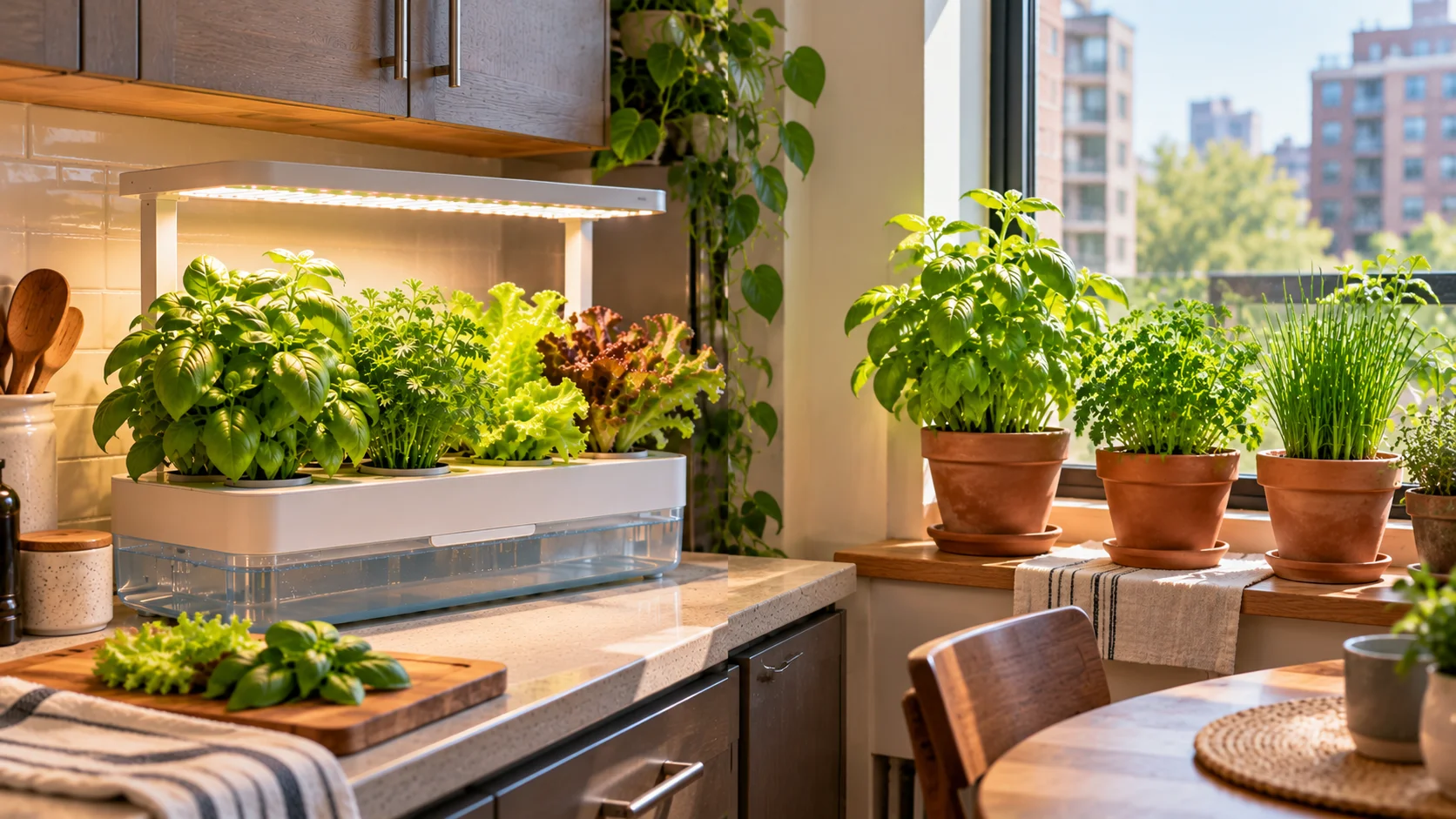
Don’t forget weight, either. A reservoir gets heavier once it’s filled with water. The garden should sit on a sturdy, level surface that remains stable when the plants mature.
Apartment Problems to Think About Before You Buy
Water, bright grow lights, pump noise, and lost counter space can matter much more when your garden shares the same rooms where you cook, work, relax, and sleep. These issues aren’t necessarily reasons to avoid hydroponics, but they’re easy to overlook when you’re comparing systems online.
Water and Spills
A hydroponic garden keeps a reservoir of water inside your apartment, so its location deserves some thought. Refilling, draining, moving, and cleaning the system all create opportunities for spills.
Give yourself enough room to work around the reservoir without reaching awkwardly over furniture or electronics. A waterproof tray or mat underneath can also help contain small spills.
Grow-Light Brightness
A grow light that’s perfectly acceptable in a spare room can feel very different when it’s several feet from your sofa or bed. Hydroponic lights may run for many hours, so think about where that light will shine as well as where the garden itself will fit.
A timer helps because you can schedule much of the light cycle for hours when it is less disruptive.
If you’re still getting familiar with artificial lighting, our guide to grow lights for indoor plants explains the basics.
Pump and Water Noise
Powered hydroponic systems aren’t all equally quiet. Pumps, aerators, and moving water may be barely noticeable in one model and annoying in another, particularly if the garden is beside a desk or bed.
University of Georgia Extension explains that active hydroponic systems may use pumps or aerators, while passive methods can operate without powered circulation.
Because noise depends heavily on the individual system, check specifications and credible owner feedback for the exact model you’re considering rather than assuming every countertop garden will be silent.
Counter and Storage Space
A hydroponic garden doesn’t disappear when you’re finished harvesting dinner. It occupies its counter, shelf, or stand continuously, and you’ll probably need somewhere nearby for nutrients, seeds, growing media, and other supplies.
A garden that technically fits beside the kitchen sink may still be a poor fit if it takes away the counter space you use every day.
When Are Regular Indoor Containers a Better Choice?
Regular pots may be the simpler choice if your apartment already has enough natural light and you only want to grow a few herbs or other compact plants. You can avoid the reservoir, pump, hydroponic nutrients, and other equipment while using containers you may already own.
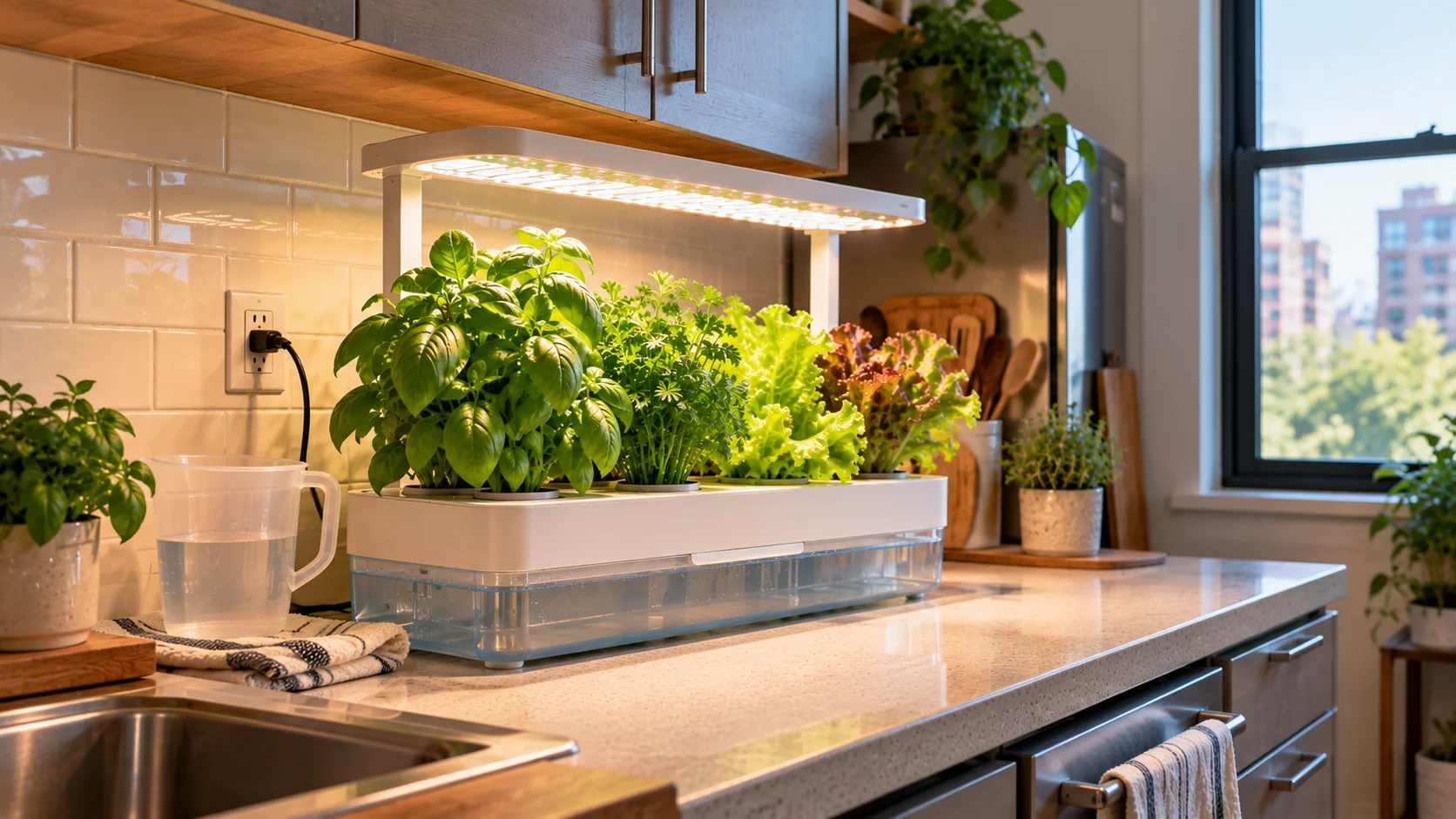
A sunny windowsill with a few herb pots can be perfectly adequate. There’s little reason to buy an entire hydroponic system if conventional containers already solve the problem.
Hydroponics becomes more attractive when natural light or outdoor space is the limiting factor and you value having lighting and growing space combined into one compact setup.
Our indoor apartment gardening guide covers conventional indoor growing if you’re still deciding which approach makes more sense.
Who Is an Indoor Hydroponic Garden Worth It For?
An indoor hydroponic garden is a good fit for apartment gardeners who want convenient herbs and greens, don’t have much usable outdoor space, and are comfortable doing regular plant care.
Hydroponics is especially worth considering if you:
- cook with fresh herbs or leafy greens regularly;
- don’t have a useful balcony, patio, or yard;
- want to keep growing through more of the year;
- have a permanent counter, shelf, or stand available;
- have a suitable electrical outlet nearby;
- are comfortable buying nutrients and replacement supplies;
- don’t mind checking water and plant health; and
- are willing to clean the system between growing cycles.
For this kind of gardener, a countertop system isn’t simply another kitchen appliance. It creates growing space that otherwise may not exist.
Who Should Probably Skip an Indoor Hydroponic Garden?
A hydroponic garden probably isn’t the best purchase if you expect large harvests, want the cheapest possible way to grow food, have almost no permanent indoor space, or don’t want another gardening routine to maintain.
Small countertop systems can also be disappointing if your real goal is growing large fruiting vegetables. Tomatoes, cucumbers, and peppers generally ask much more of an indoor setup than herbs and leafy greens do.
If you already have a sunny balcony and enough room for pots, apartment container gardening may give you more flexibility without bringing a reservoir and grow light indoors.
Neither method is automatically better. The better choice is the one that fits what you want to grow, the space you actually have, your budget, and how much gardening work you enjoy doing.
What Should You Check Before Buying an Indoor Hydroponic Garden?
Before buying an indoor hydroponic garden, look beyond the advertised number of planting pods and think about how the system will actually work in your apartment.
Check these details before deciding:
- Footprint: Measure the surface where the garden will actually sit.
- Maximum height: Include mature plants and the grow light at its highest position.
- Reservoir access: Make sure you can add water without moving the entire garden.
- Cleaning access: Removable, easy-to-reach parts can make routine cleaning much easier.
- Grow-light adjustment: The light needs enough range for the crops you plan to grow.
- Light timer: Automatic scheduling makes the garden easier to live with.
- Noise: Pumps and aerators matter more when the system is near a bed or workspace.
- Replacement supplies: Check the availability and cost of nutrients, growing media, baskets, filters, pumps, and other parts.
- Stability: The garden should remain secure when its reservoir is full and the plants are mature.
- Crop fit: Choose the system for what you actually want to eat, not simply for the largest pod count.
For a first hydroponic garden, simplicity can be more useful than capacity. University of Georgia Extension recommends starting small while learning the method and identifies compact leaf lettuce as an approachable crop for beginners.
Frequently Asked Questions
Are Indoor Hydroponic Gardens Expensive to Run?
The cost of running an indoor hydroponic garden varies with the grow light, pumps or aerators, nutrients, growing supplies, and local electricity rates. A small passive setup and a fully powered countertop garden won’t have the same ongoing expenses.
Instead of relying on a generic monthly estimate, check the specifications and replacement supplies for the particular system you’re considering.
Do Indoor Hydroponic Gardens Use a Lot of Electricity?
Electricity use varies by system, with artificial lighting usually being one of the main factors in a countertop hydroponic garden. Active systems may also use electricity for pumps or aeration.
The wattage of the equipment and the number of hours it runs each day will give you a much better idea of electricity use than a general estimate for “hydroponic gardens.”
What Grows Best in a Small Indoor Hydroponic Garden?
Herbs and leafy greens are among the most practical choices for a small indoor hydroponic garden. University of Minnesota Extension identifies lettuce, herbs, kale, mustard greens, Swiss chard, and other leafy greens as suitable hydroponic crops.
The exact crop still needs to fit the light, root space, plant spacing, and available height of your particular system.
Can You Grow Tomatoes in a Countertop Hydroponic Garden?
Compact tomatoes can grow hydroponically, but they’re more demanding indoors than herbs and leafy greens. A tomato plant needs adequate light, root space, vertical clearance, support, and suitable growing conditions.
University of Minnesota Extension notes that indoor production of heat-loving crops such as tomatoes can require enough supplemental heat and lighting to become cost-prohibitive for many home gardeners.
If tomatoes are your priority, choose a system designed to accommodate compact fruiting plants rather than assuming any countertop garden will be suitable.
Is Hydroponics Worth It If You Live in an Apartment?
Hydroponics can be especially worthwhile in an apartment when a lack of outdoor space or usable natural light makes conventional food gardening difficult. A compact system can create a dedicated place to grow herbs and leafy greens even when there’s nowhere practical to put outdoor containers.
Hydroponics becomes less attractive when you don’t have a permanent location for the equipment or when your main goal is producing large harvests of fruiting vegetables.
Bottom Line: Are Indoor Hydroponic Gardens Worth It?
Are indoor hydroponic gardens worth it? For apartment gardeners who regularly use herbs and leafy greens, don’t have convenient outdoor growing space, and are comfortable with some ongoing maintenance, a compact system can be a worthwhile way to grow food indoors.
The case becomes much weaker if you’re buying one primarily to slash your grocery bill, produce large vegetable harvests, or avoid the work involved in keeping plants healthy.
For apartment gardeners, that’s really where the decision lands. A hydroponic garden doesn’t need to outperform every other way of growing plants to be worthwhile. It needs to make growing something you actually use practical in the space you actually have.
If that describes your situation, our complete beginner’s guide to indoor hydroponic gardening is the next place to start.