What Are the 5 Disadvantages of Hydroponics for Apartment Gardeners?
What are the 5 disadvantages of hydroponics? For apartment gardeners, the five main disadvantages are higher startup costs, regular monitoring, dependence on equipment and electricity in many systems, the possibility that problems can affect plants quickly, and the learning curve involved in managing a hydroponic garden.
These disadvantages can matter more when a hydroponic garden shares limited indoor space with furniture, flooring, electrical outlets, and everyday living areas. Apartment gardeners also need to consider where the system will fit, whether supplemental lighting is needed, how water will be managed indoors, and how much regular maintenance the system requires.
Hydroponics can still be a practical way to grow herbs, leafy greens, and other plants in an apartment without a traditional garden. The important question is whether the system’s cost, space, water, lighting, equipment, and maintenance requirements fit your home and gardening routine.
If you are new to growing without soil, our beginner’s guide to indoor hydroponic gardening explains how hydroponics works and the major types of systems available for indoor growing.
In This Guide
What Are the 5 Disadvantages of Hydroponics?
The five disadvantages of hydroponics can affect apartment gardeners differently depending on the type of system, available space, natural light, and how much maintenance the gardener is comfortable performing.
| Disadvantage | Why It Matters in an Apartment |
|---|---|
| 1. Higher startup costs | Indoor hydroponic growing may require nutrients, lighting, testing supplies, pumps, or other equipment in addition to the growing system itself. |
| 2. Regular monitoring | Water level, nutrient solution, plant condition, and system operation require ongoing attention. |
| 3. Equipment and electricity dependence | Many indoor systems use pumps, grow lights, timers, or other powered equipment that can affect where the garden can be placed. |
| 4. Problems can affect plants quickly | Equipment, water, nutrient, or root problems can affect multiple plants, while leaks and spills can also affect the surrounding apartment. |
| 5. A learning curve | Apartment gardeners need to understand nutrients, water, pH, lighting, and the requirements of their particular hydroponic system. |
The disadvantages of hydroponics are not identical for every growing method. A simple passive hydroponic garden can have very different costs, equipment requirements, and maintenance needs from a countertop system with a pump, timer, and integrated grow light.
1. Hydroponics Can Cost More to Start
Hydroponics can cost more to start than basic container gardening because a hydroponic system may require specialized equipment and supplies. For an apartment gardener, the total startup cost can also include equipment needed specifically for growing plants indoors.
University of Illinois Extension’s home hydroponics guidance identifies higher setup costs as one disadvantage of hydroponics compared with growing plants in pots or in the ground. The same guidance notes that hydroponic growing may require additional management and, depending on the system, electricity and supplemental indoor lighting.
Depending on the hydroponic method, startup supplies may include:
- A reservoir or hydroponic growing unit
- Hydroponic nutrients
- Net pots, grow sponges, or another growing medium
- Testing or monitoring supplies appropriate to the system
- A pump or air pump in systems that require one
- Supplemental lighting when natural indoor light is insufficient
- Replacement growing supplies
Not every hydroponic garden requires everything on this list. A passive system can be considerably simpler than an active recirculating system, while an all-in-one countertop garden may combine several components into a single unit.
For apartment gardeners, lighting can be an especially important part of the cost calculation. A hydroponic garden without sufficient natural light may require artificial lighting. Our guide to grow lights for indoor plants explains the role supplemental lighting can play when growing plants indoors.
How to Keep Hydroponic Startup Costs Lower in an Apartment
Apartment gardeners can keep hydroponic startup costs more manageable by starting with a simple system and buying only the equipment that system actually requires. Different hydroponic methods have different equipment needs, so a general hydroponics supply list may contain items that are unnecessary for a particular setup.
Starting small also gives an apartment gardener an opportunity to learn how hydroponics fits into everyday living space before committing more room and money to a larger system.
Apartment gardeners who mainly want fresh kitchen herbs may also want to compare hydroponics with a conventional indoor herb garden before deciding which growing method better fits their budget and available space.
2. Hydroponics Requires Regular Monitoring
Hydroponics requires regular monitoring because the water and nutrient solution directly affect the plants’ root environment. An apartment hydroponic garden still needs attention even though the plants grow without conventional soil or potting mix.
University of Illinois Extension identifies water level, nutrient concentration, and pH among the factors hydroponic gardeners may need to monitor.
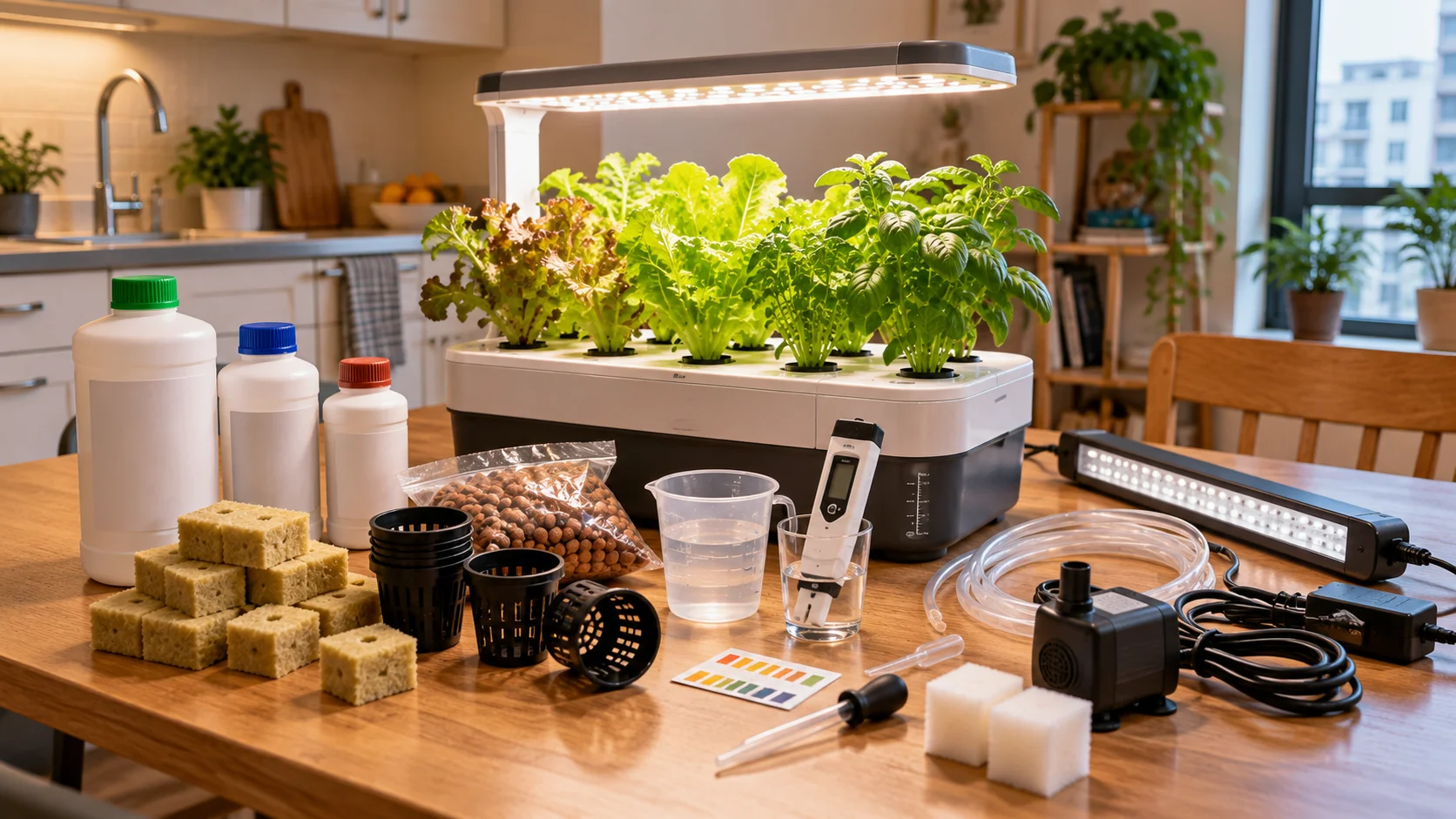
Depending on the system, regular monitoring can include checking:
- Reservoir water level
- Nutrient solution
- pH when appropriate
- Plant and root condition
- Algae or other unwanted growth
- Pumps, tubing, or water flow in active systems
- Grow-light position and operation when supplemental lighting is used
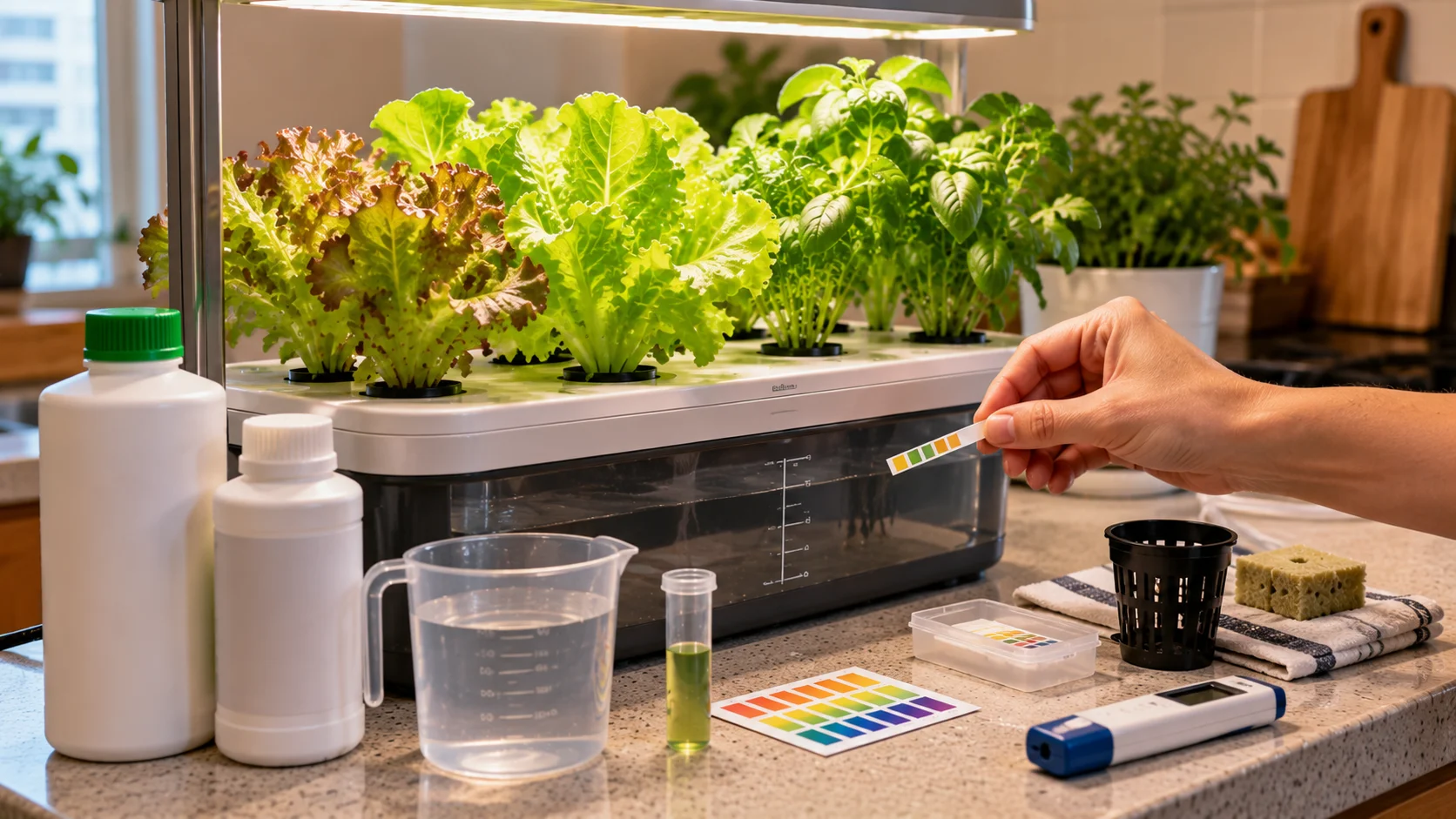
The maintenance routine for a hydroponic garden depends on factors such as system design, reservoir size, plants, indoor conditions, equipment, and manufacturer instructions. A universal maintenance schedule does not apply to every hydroponic setup.
Apartment gardeners who travel frequently should consider how their particular hydroponic system will be monitored and maintained while they are away.
Hydroponic Maintenance Depends on the System
There is no single maintenance schedule that applies to every apartment hydroponic garden. Passive and active hydroponic systems manage water and nutrient solution differently, and individual products can have different instructions for refilling, adding nutrients, cleaning, and maintaining equipment.
Following the instructions for the particular hydroponic system and nutrient product is more reliable than applying a generic maintenance schedule to every setup.
A compact countertop system may be convenient in a small apartment, but a small footprint does not necessarily mean the reservoir, plants, and equipment require little attention.
3. Many Hydroponic Systems Depend on Equipment and Electricity
Many indoor hydroponic systems depend on equipment and electricity, which can increase operating costs and affect where the garden can practically be placed in an apartment. Pumps, grow lights, timers, air pumps, and other powered components may be part of an indoor hydroponic setup.
The University of California Master Gardeners’ guide to hydroponics for home gardeners distinguishes between passive and active hydroponic systems. Passive systems do not use powered equipment to move nutrient solution, while active systems use pumps or other equipment for circulation or oxygenation. UC also notes that most systems require electricity for pumps and, when grown indoors, supplemental lighting.
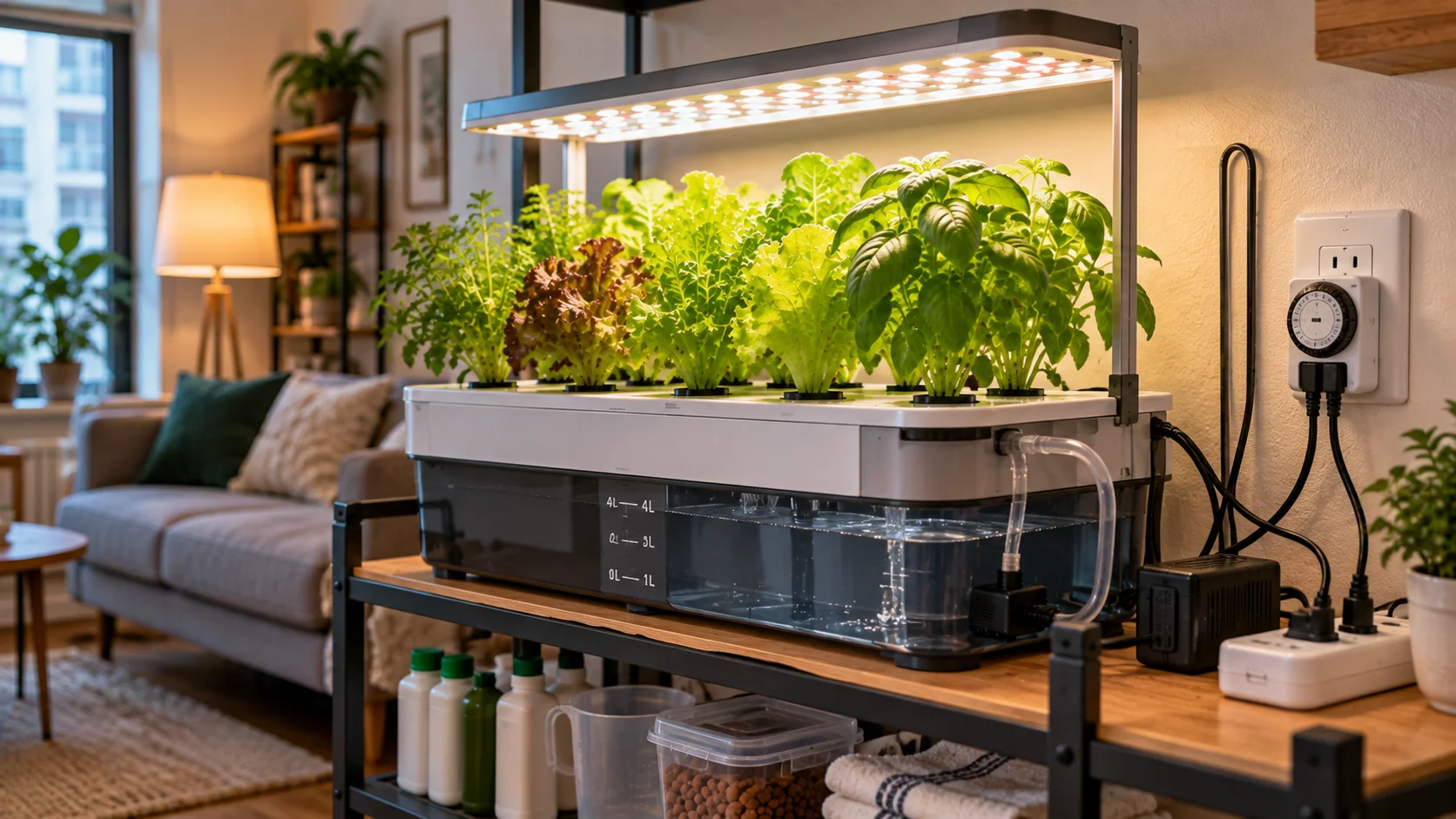
Dependence on pumps, timers, or other equipment creates an additional failure point in an active hydroponic system. A pump failure, blockage, timer problem, or power interruption can interfere with the operation of systems that depend on those components.
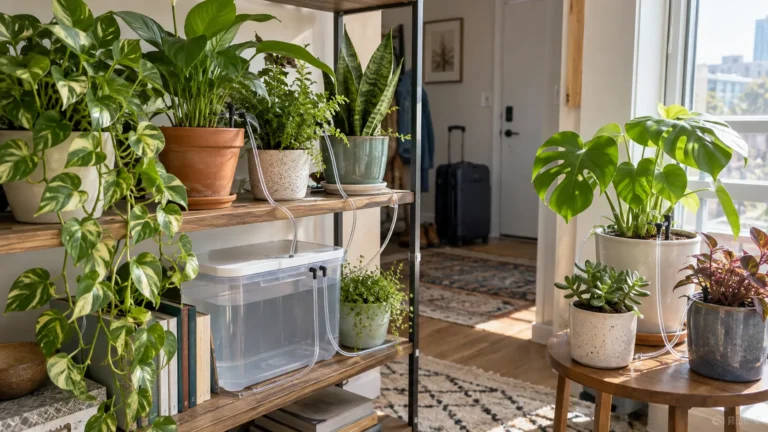
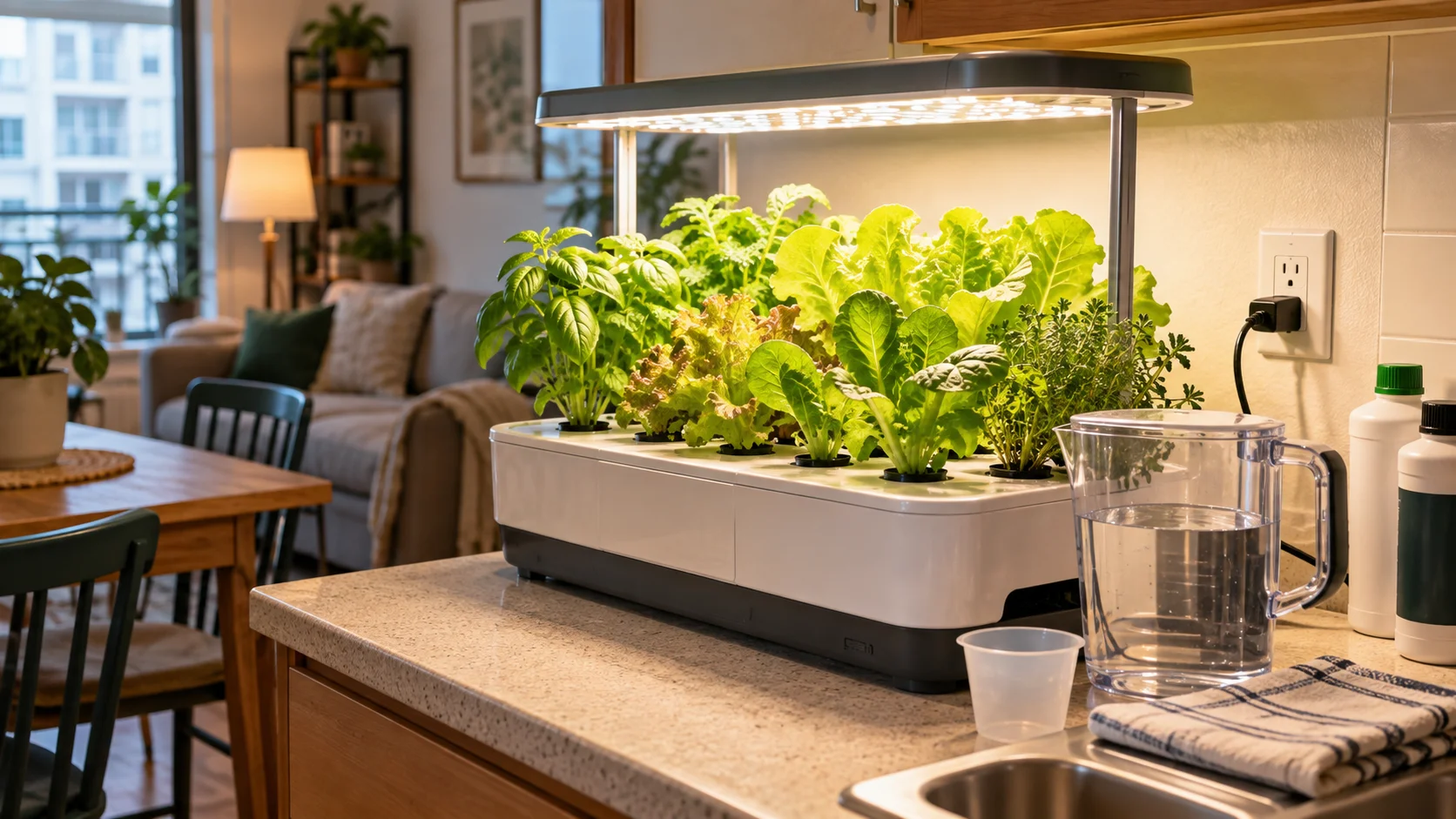
Equipment requirements can also affect apartment placement. A powered countertop garden may need an appropriate electrical location, enough horizontal space for the reservoir, and enough vertical clearance for plants and an adjustable grow light.
Indoor hydroponics may also require supplemental lighting when natural light is insufficient. Hydroponics removes soil from the growing process, but it does not remove a plant’s need for adequate light.
Not Every Hydroponic System Requires a Pump
Not every hydroponic system requires an electric pump to move nutrient solution. Passive hydroponic systems can supply nutrient solution without powered circulation, while active systems use equipment to circulate or oxygenate the solution.
A passive nutrient-delivery system does not necessarily mean the entire indoor garden uses no electricity. An apartment gardener may still use a grow light or other powered equipment when natural growing conditions are insufficient.
The difference between passive and active hydroponic systems is especially important for apartment gardeners because the two types can have different electricity, equipment, noise, and maintenance requirements.
4. Problems Can Affect Hydroponic Plants Quickly
Hydroponic problems can affect plants quickly because the root zone depends directly on the system for water and nutrients, while some active systems also rely on equipment for circulation or oxygenation. Problems involving a shared nutrient solution can potentially affect more than one plant.
UC Master Gardeners notes that disease or root problems can spread quickly through a shared nutrient solution. Its home hydroponics guidance also identifies leaks, blockages, and equipment failures as issues that active systems need to be checked for.
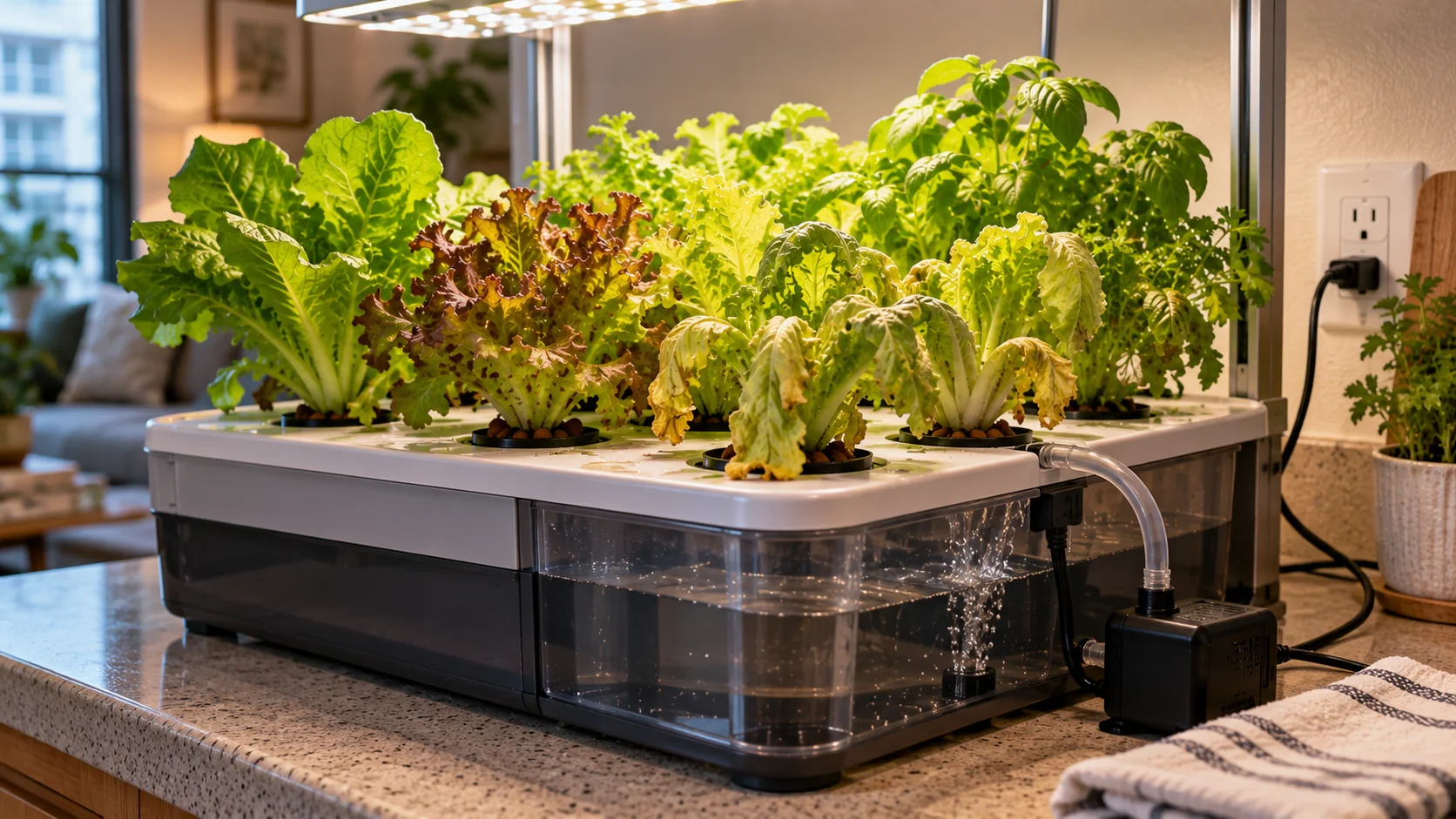
A problem with one hydroponic plant does not mean every plant in the garden will automatically fail. The consequences depend on the hydroponic method, whether plants share nutrient solution, the type of problem, and how quickly the problem is detected.
For apartment gardeners, regular observation is therefore important. Changes in water level, root condition, plant appearance, water flow, or equipment operation can provide clues that a hydroponic garden needs attention.
Water Requires Extra Care in an Apartment
Hydroponic water needs extra consideration in an apartment because the growing system shares indoor space with flooring, furniture, shelving, electronics, and other household belongings. A leak or spill can therefore become more than a plant-care problem.
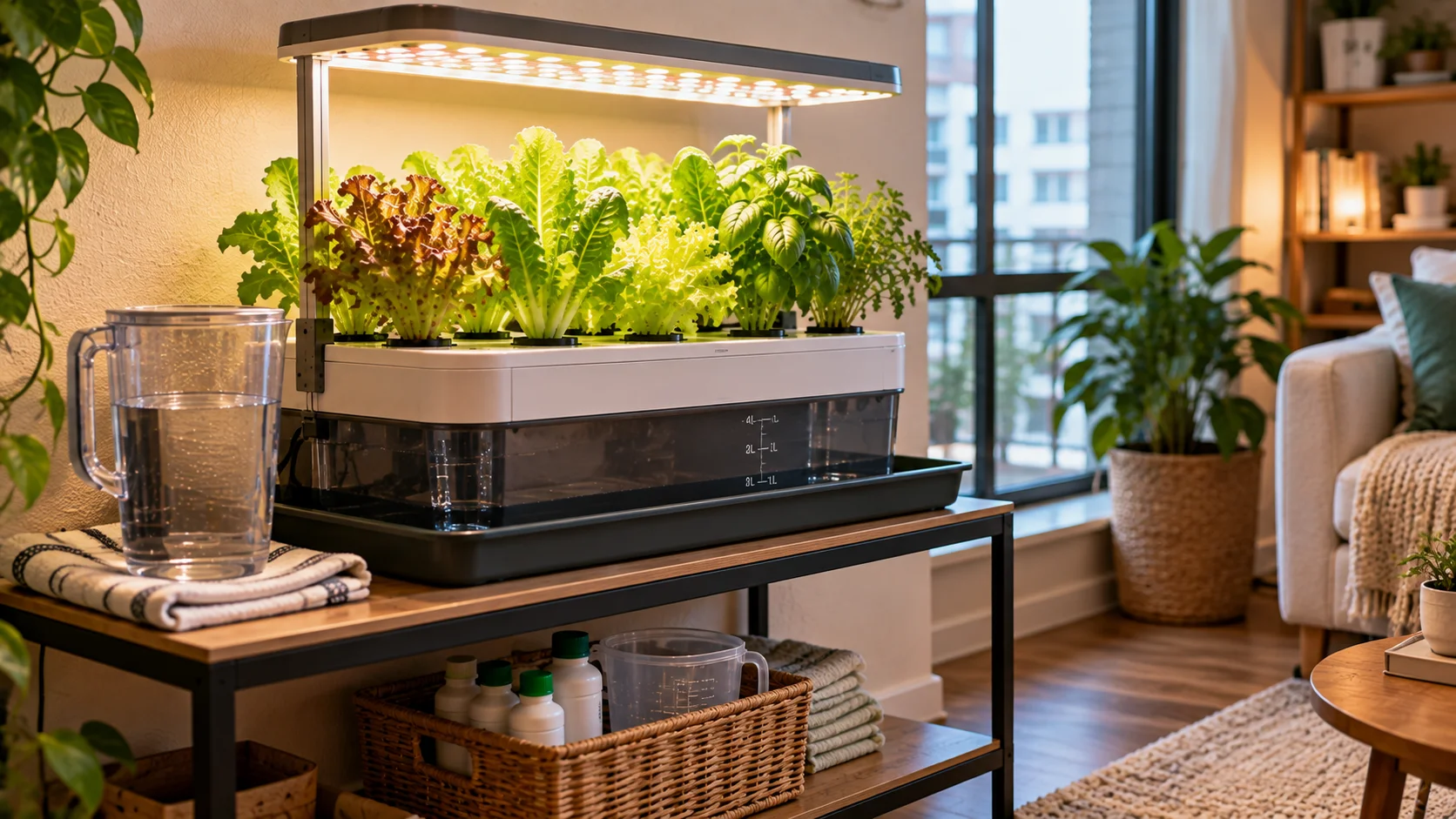
An apartment hydroponic system should have an appropriate, stable location where routine refilling and cleaning can be handled without unnecessarily exposing surrounding belongings to water.
A hydroponic system becomes heavier when its reservoir is filled, so apartment gardeners should choose a stable surface that can support the complete filled system according to the manufacturer’s requirements.
Water and powered equipment also require thoughtful placement. Follow the hydroponic system manufacturer’s instructions for positioning and operating electrical components around the reservoir rather than improvising a setup in a cramped location.
Hydroponics itself does not automatically cause mold in an apartment. However, leaks, spills, condensation, or other persistently damp conditions should be corrected instead of being allowed to remain around the growing area.
5. Hydroponics Has a Learning Curve
Hydroponics has a learning curve because the gardener is responsible for managing parts of the root environment that soil or potting mix would otherwise help regulate. Apartment gardeners may need to learn about nutrients, water level, pH, oxygen availability, lighting, and the operation of their particular system.
Oklahoma State University Extension’s hydroponics guidance identifies higher initial and operational costs, the need for skill and knowledge, and the ability of some diseases to spread quickly through a hydroponic system as disadvantages of hydroponic growing.
The hydroponics learning curve does not mean apartment gardeners need to become experts before starting. A beginner does, however, need to understand the basic requirements of the chosen system rather than assuming plants will thrive simply because their roots have access to water.
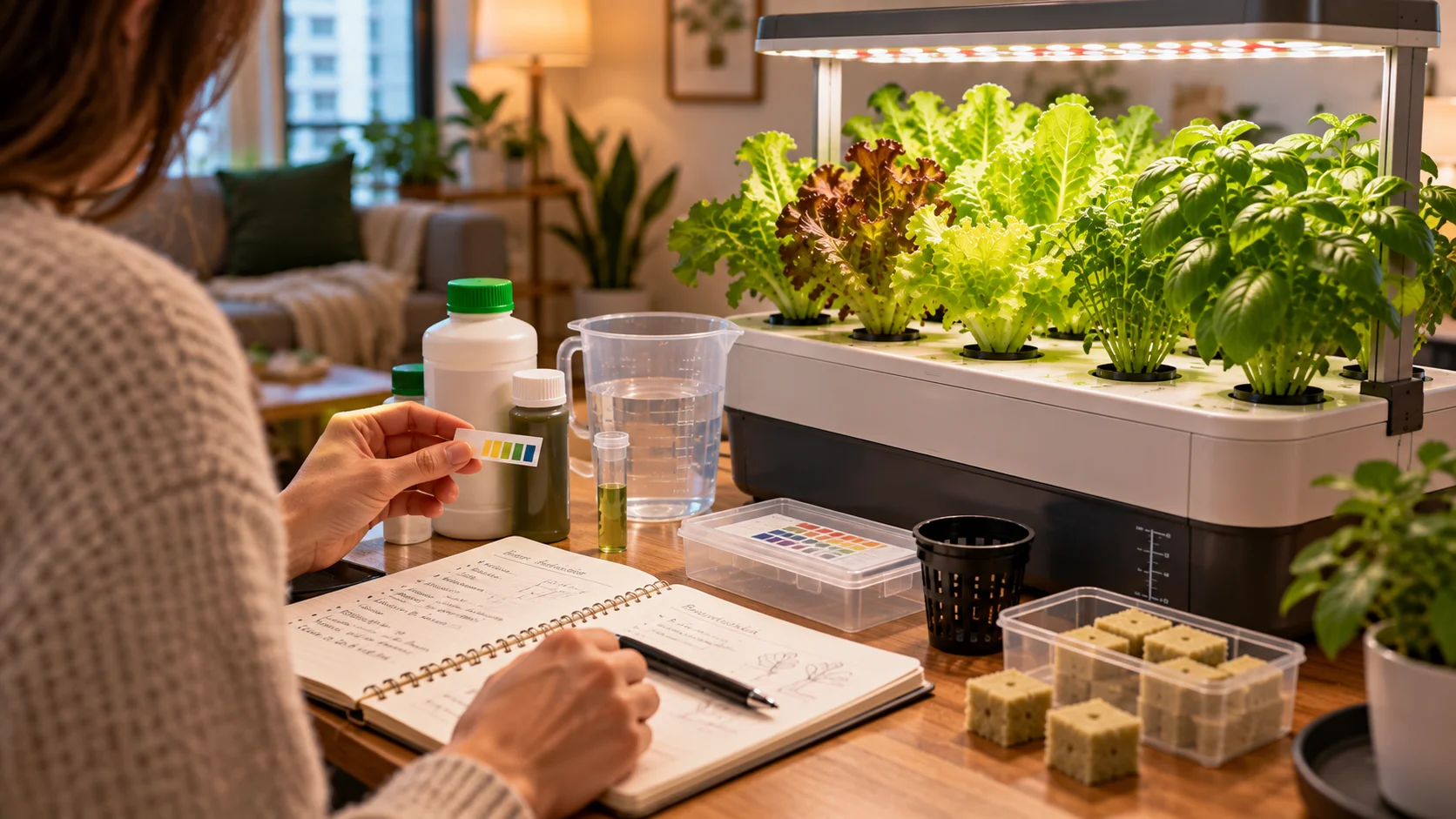
Nutrient management is one important difference. Hydroponic plants rely on nutrients supplied through the water rather than nutrients held in ordinary garden soil.
Hydroponic pH matters because the pH of the nutrient solution affects how available nutrients are to plant roots. Nutrient management requirements vary by system and crop, so beginners should follow appropriate system and nutrient instructions rather than relying on a single formula for every hydroponic garden.
Lighting remains important as well. Growing without soil does not eliminate a plant’s need for adequate light.
For apartment gardeners, starting with a manageable number of plants and a system that is easy to understand can make the learning process less complicated.
Our indoor hydroponic garden guide covers the broader fundamentals of growing plants hydroponically in an apartment.
Are the Disadvantages of Hydroponics Worth It for Apartment Gardeners?
The disadvantages of hydroponics may be worth accepting for apartment gardeners who want to grow indoors without soil and are comfortable monitoring water, nutrients, plants, and equipment. Hydroponics can be particularly appealing when outdoor gardening space is unavailable.
Hydroponics may be worth considering for an apartment gardener who:
- Wants to grow plants indoors without conventional potting mix
- Has an appropriate location for a water-containing growing system
- Is willing to monitor water and nutrients
- Can provide enough natural or supplemental light
- Is comfortable learning basic hydroponic care
- Has enough room for plants as they mature
- Understands the equipment requirements of the chosen system
Hydroponics may be less appealing for an apartment gardener who wants the lowest possible startup cost, prefers very little routine maintenance, travels frequently, or does not have a practical location for a reservoir and any required electrical equipment.
Hydroponics is also not the only way to grow plants without a yard. Conventional containers, windowsill herbs, houseplants, and other forms of indoor apartment gardening can also work in limited living space.
Apartment Hydroponics Checklist
Before buying or building a hydroponic system for an apartment, check whether the system’s space, water, lighting, maintenance, and equipment requirements fit your home.
Ask yourself:
- Where will the hydroponic garden go? Choose an appropriate, stable location with enough room for the plants as they grow.
- How will I manage water indoors? Consider routine refilling, cleaning, and accidental spills.
- What powered equipment does the system require? Identify pumps, grow lights, timers, or other powered components before choosing the location.
- Will the plants receive enough light? Determine whether the growing location provides suitable natural light or whether supplemental lighting will be necessary.
- Can I maintain the system regularly? Make sure water, nutrient, cleaning, and equipment checks fit your normal routine.
- Do I understand the system I’m considering? A straightforward system you understand may be a better starting point than a complicated setup with features you do not need.
Answering these questions before purchasing equipment can help determine whether hydroponics fits both your apartment and your gardening routine.
Frequently Asked Questions
What Is the Biggest Disadvantage of Hydroponics?
There is no single biggest disadvantage of hydroponics for every apartment gardener because the importance of each drawback depends on the system and the gardener’s priorities. Higher startup costs, regular monitoring, equipment requirements, fast-moving system problems, and the learning curve can all influence whether hydroponics is practical.
For a budget-conscious apartment gardener, startup cost may be the biggest concern. For someone who travels frequently, regular monitoring may matter more. An apartment gardener using an active indoor system may be more concerned about pumps, lighting, equipment, and where a water-filled system will fit.
Is Hydroponics Difficult for Beginners?
Hydroponics can be suitable for beginners, but a beginner needs to understand how the chosen system manages water, nutrients, pH, oxygen, and light. A simple hydroponic system generally gives an apartment gardener fewer components and procedures to learn than a more complicated active setup.
Beginners do not need to master every type of hydroponics. Understanding the requirements of the particular system being used is more important.
Do Hydroponic Systems Use a Lot of Electricity?
Electricity use varies widely among hydroponic systems because different systems use different equipment. Passive systems may not require electricity to circulate nutrient solution, while active indoor systems can use pumps, air pumps, timers, grow lights, or other powered components.
Supplemental lighting can be an important part of electricity use in an apartment hydroponic garden. The actual energy requirement depends on the equipment used and how long that equipment operates.
What Happens if a Hydroponic System Fails?
The effect of a hydroponic system failure depends on the type of system and the component or growing condition that fails. A pump failure or blockage can interrupt circulation in an active system, while nutrient or root problems can potentially affect multiple plants that share the same solution.
Regular observation can help an apartment gardener notice declining water levels, poor water flow, unhealthy roots, leaks, or equipment problems before they become more serious.
The Bottom Line
What are the 5 disadvantages of hydroponics? For apartment gardeners, the main disadvantages are higher startup costs, regular monitoring, dependence on equipment and electricity in many systems, the possibility that problems can affect plants quickly, and the learning curve involved in managing a soilless growing system.
The five disadvantages of hydroponics do not automatically make hydroponics a poor choice for apartment gardening. They are tradeoffs to consider alongside the ability to grow plants indoors without a traditional garden.
For an apartment gardener, the best hydroponic system is not necessarily the largest or most technologically advanced option. A system that fits the available space, budget, lighting conditions, maintenance routine, and indoor environment is usually a more practical place to start.