How Often Should You Water Container Vegetables?
How often to water container vegetables depends on the moisture in the growing mix rather than a fixed daily schedule. Check the growing mix regularly and water when the root zone needs moisture. During hot, dry weather, mature vegetable plants may need water every day, while some small or exposed containers may need to be checked more than once a day.
Container size, container material, weather, plant maturity, and potting mix all affect how quickly a vegetable container dries. The University of Maryland Extension recommends checking containers frequently—especially during summer—until you learn how quickly individual containers use water.
In This Guide
How Often Do Container Vegetables Need Water?
Container vegetables need water when the growing mix has dried enough that the root zone needs more moisture, not simply because another day has passed. During mild conditions, a vegetable container may remain adequately moist between checks. During hot, dry weather, mature plants can use available water much faster and may require daily watering.
The amount of water a container vegetable uses also changes during the growing season. Wisconsin Horticulture Extension notes that daily watering may become necessary as plants grow larger, temperatures increase, and crops begin producing fruit.
| Growing condition | What it usually means |
|---|---|
| Young vegetable plants | Often use water more slowly than mature plants |
| Large, established vegetables | Usually need more frequent moisture checks |
| Fruiting vegetables | Water demand may increase as plants mature |
| Hot, dry weather | Some containers may need daily watering |
| Very hot or windy weather | Some containers may need checking more than once a day |
| Cool or cloudy weather | Containers usually dry more slowly |
| Small containers | Usually dry faster |
| Large containers | Usually retain moisture longer |
These conditions indicate how often a vegetable container may need to be checked, not how often it must be watered. The moisture in the growing mix should ultimately determine whether water is needed.
How to Tell When Container Vegetables Need Water
The most useful way to determine whether container vegetables need water is to check the moisture in the growing mix instead of relying only on the calendar or the plant’s appearance. Feeling the growing mix and learning how an individual container behaves as it dries can help you develop a watering routine that matches your growing conditions.
Check the Potting Mix Below the Surface
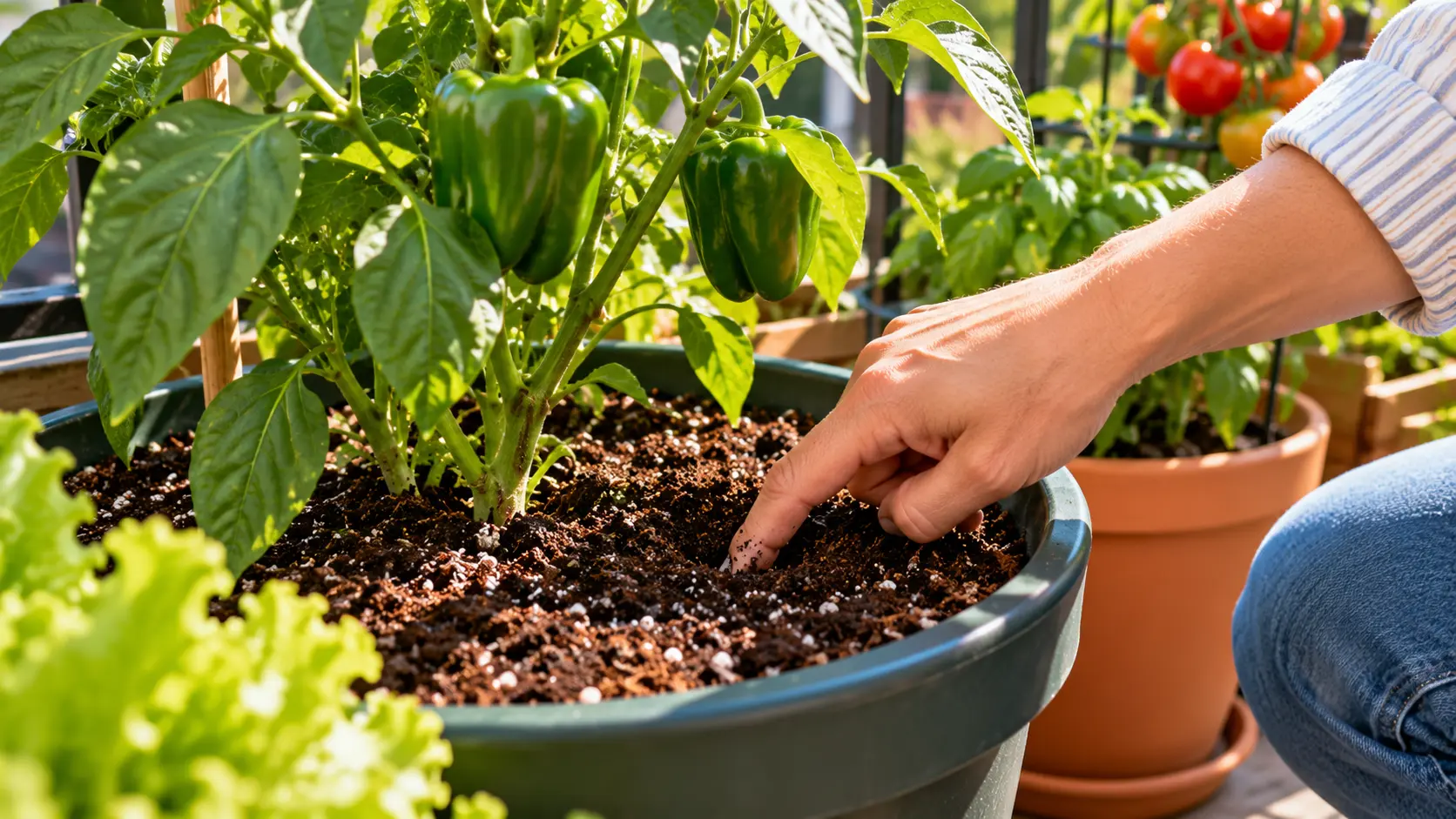
Container vegetables should be checked below the surface of the potting mix before you decide to water. The surface can look dry while usable moisture remains farther down in the container.
The University of Maryland Extension recommends feeling the growing medium below the surface before watering. The exact depth can vary with the container and crop, so learning how your individual containers dry is more useful than relying on one universal measurement.
Learn the Weight of the Container
The weight of a movable vegetable container can help indicate when its growing mix is drying out. A recently watered lightweight container usually feels noticeably heavier than the same container after much of its available moisture has been used.
The University of Maryland Extension recommends learning the difference between the freshly watered and need-water weights of lightweight containers as another way to judge moisture.
This technique is intended for containers that can be lifted safely. Large or heavy vegetable planters should not be lifted simply to check their moisture.
Should You Water Container Vegetables When They Wilt?
A wilted container vegetable should not automatically be watered because wilting can occur when the root zone is either too dry or too wet. Check the moisture in the growing mix before adding more water.
The University of Maryland Extension cautions that wilting by itself is not a reliable indicator of dry growing media because plants can wilt when they are overwatered or underwatered.
Afternoon wilting does not always mean a vegetable container is dry. High temperatures can temporarily increase plant stress, so check the growing mix before assuming that additional water is the solution.
What Makes Container Vegetables Dry Out Faster?
Container vegetables dry out faster when the container holds less growing medium, the container loses moisture readily, the weather increases water loss, or a large plant is using water quickly. Understanding these factors is more useful than trying to maintain the same watering interval throughout the growing season.
| Factor | Typical effect |
|---|---|
| Smaller container | Usually dries faster |
| Larger container | Usually holds moisture longer |
| Porous container | Usually loses moisture faster |
| Less porous container | Usually retains moisture longer |
| Strong sun and heat | Increase drying |
| Wind | Increases moisture loss |
| Larger mature plant | Usually uses water faster |
| Fruiting vegetable | Water demand may increase |
| Growing medium | Moisture retention varies by mix |
Container Size
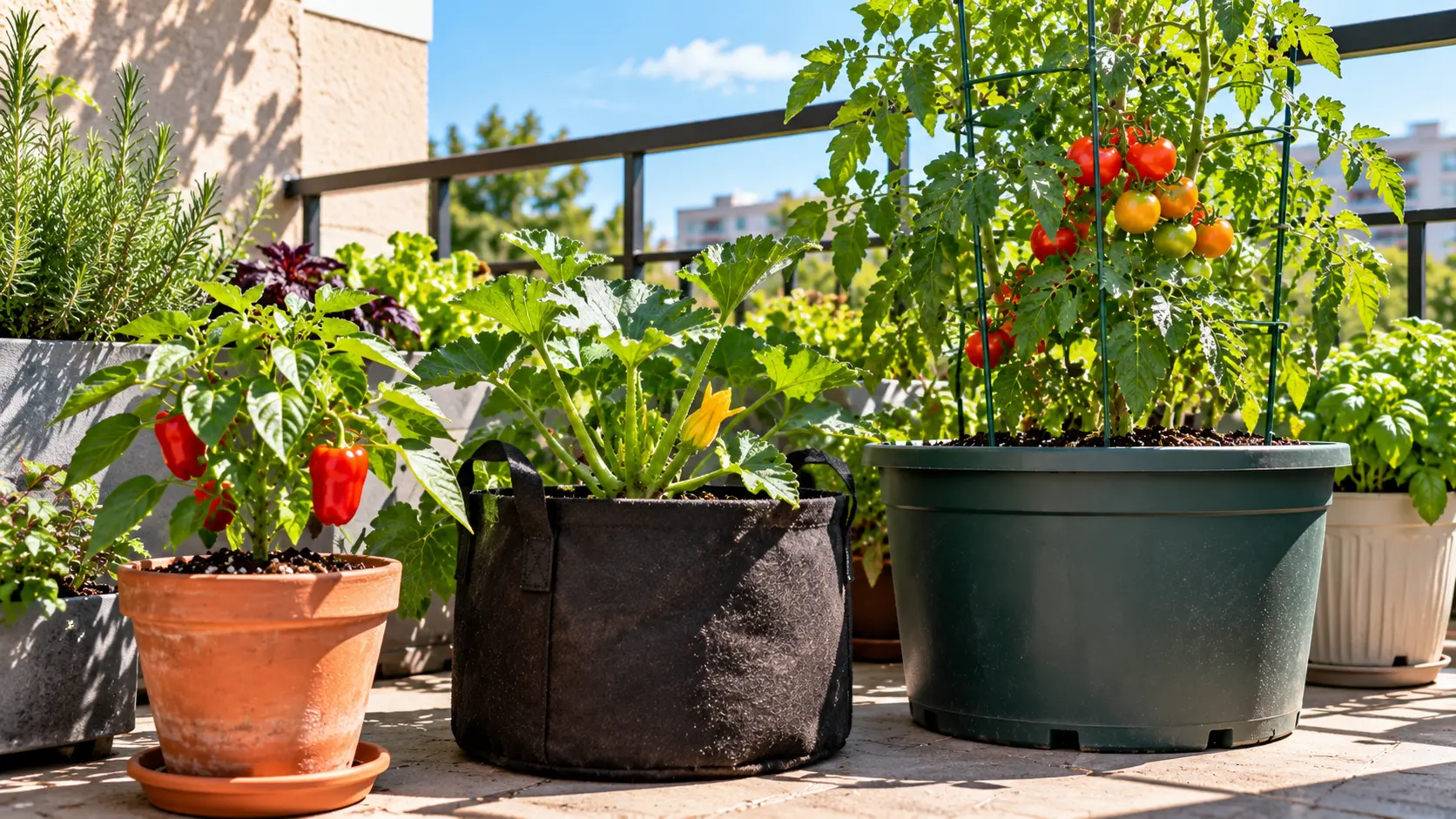
Small vegetable containers usually dry faster than larger containers because they hold less growing medium and therefore have a smaller moisture reserve. Larger containers generally stay moist longer under otherwise similar conditions.
Container size also needs to match the root space required by the crop. See How Deep Do Containers Need to Be for Vegetables? for more help choosing an appropriate vegetable container.
Container Material
Porous vegetable containers usually lose moisture faster than less porous containers. Clay, ceramic, concrete, and wood can lose moisture more quickly than plastic or metal containers, so vegetables growing in porous containers may need more frequent moisture checks.
The University of Maryland Extension identifies container material as one of the factors that affects how frequently container-grown vegetables need water.
Sun, Heat, and Wind
Vegetable containers exposed to strong sun, high temperatures, and wind generally dry faster than containers in cooler or more protected locations. Full sun can heat the container and growing medium, while moving air increases moisture loss.
A vegetable container that stayed moist for several days during mild spring weather may therefore require much closer monitoring during hotter summer conditions.
Plant Size and Growth Stage
Mature container vegetables generally use water faster than newly planted vegetables because larger plants have more roots and foliage drawing on the available moisture. Water demand can increase further as fruiting vegetables mature and begin producing a crop.
Wisconsin Horticulture notes that vegetables such as tomatoes, peppers, eggplants, zucchini, and cucumbers may require daily watering as plants become larger, temperatures increase, and fruiting begins.
Potting Mix
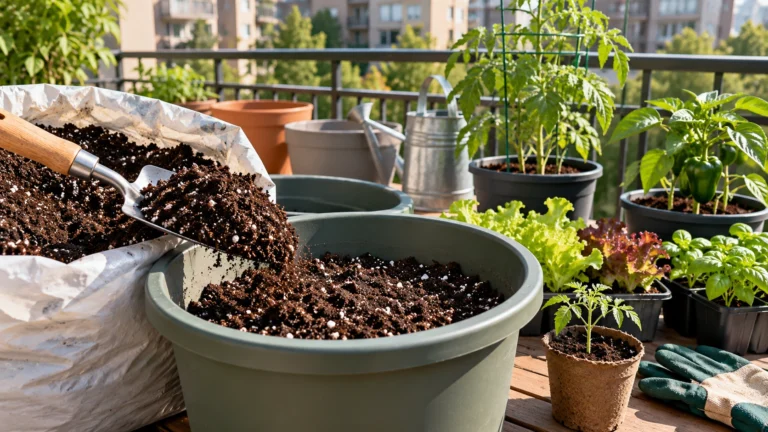
Potting mix for container vegetables affects how quickly water drains and how long useful moisture remains available around the roots. Different growing-media blends retain moisture differently, which is another reason a fixed watering schedule does not work for every container.
For a closer look at choosing the growing medium itself, see Potting Mix for Container Vegetables: What to Use and Why.
How to Water Container Vegetables Correctly
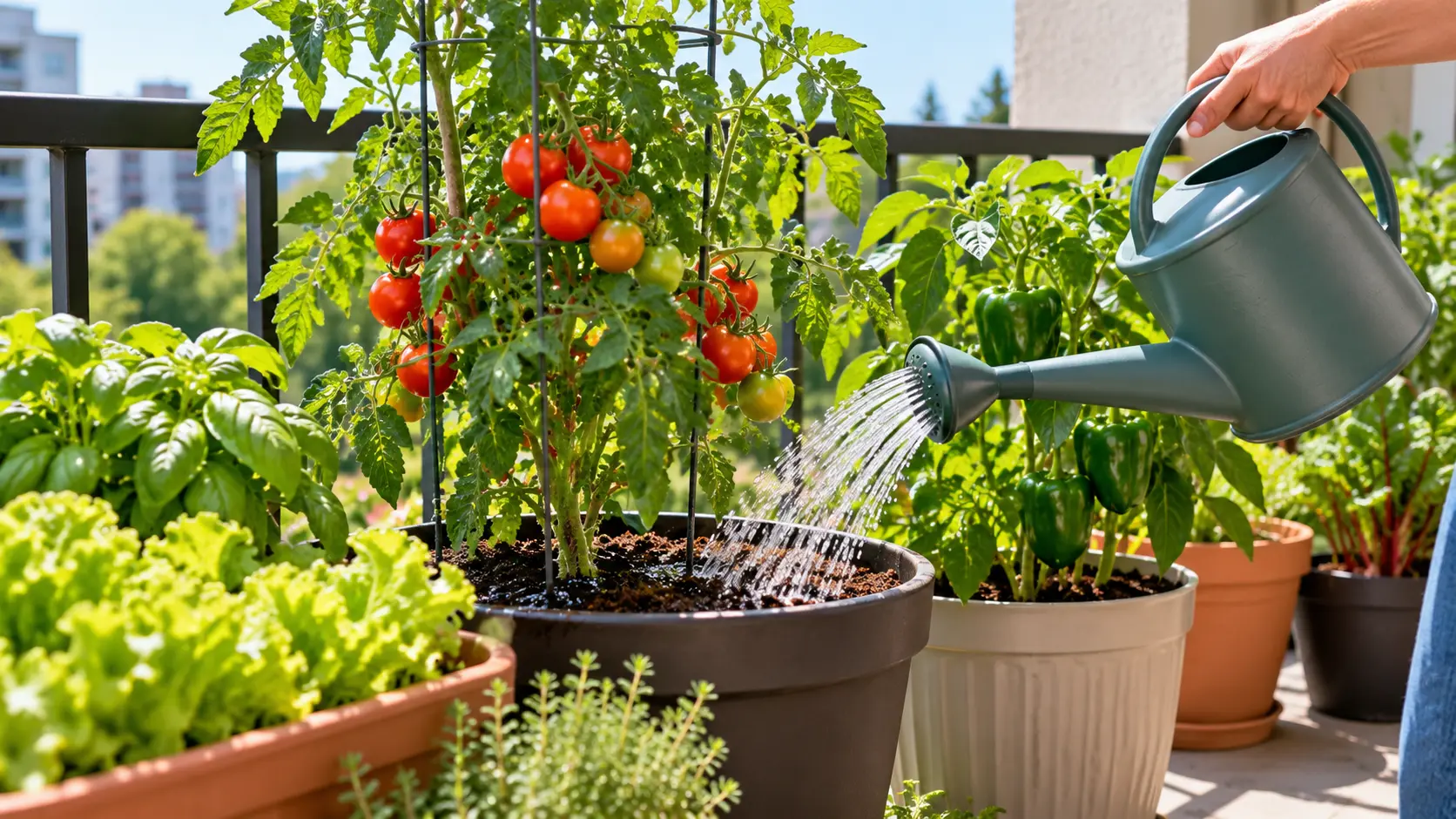
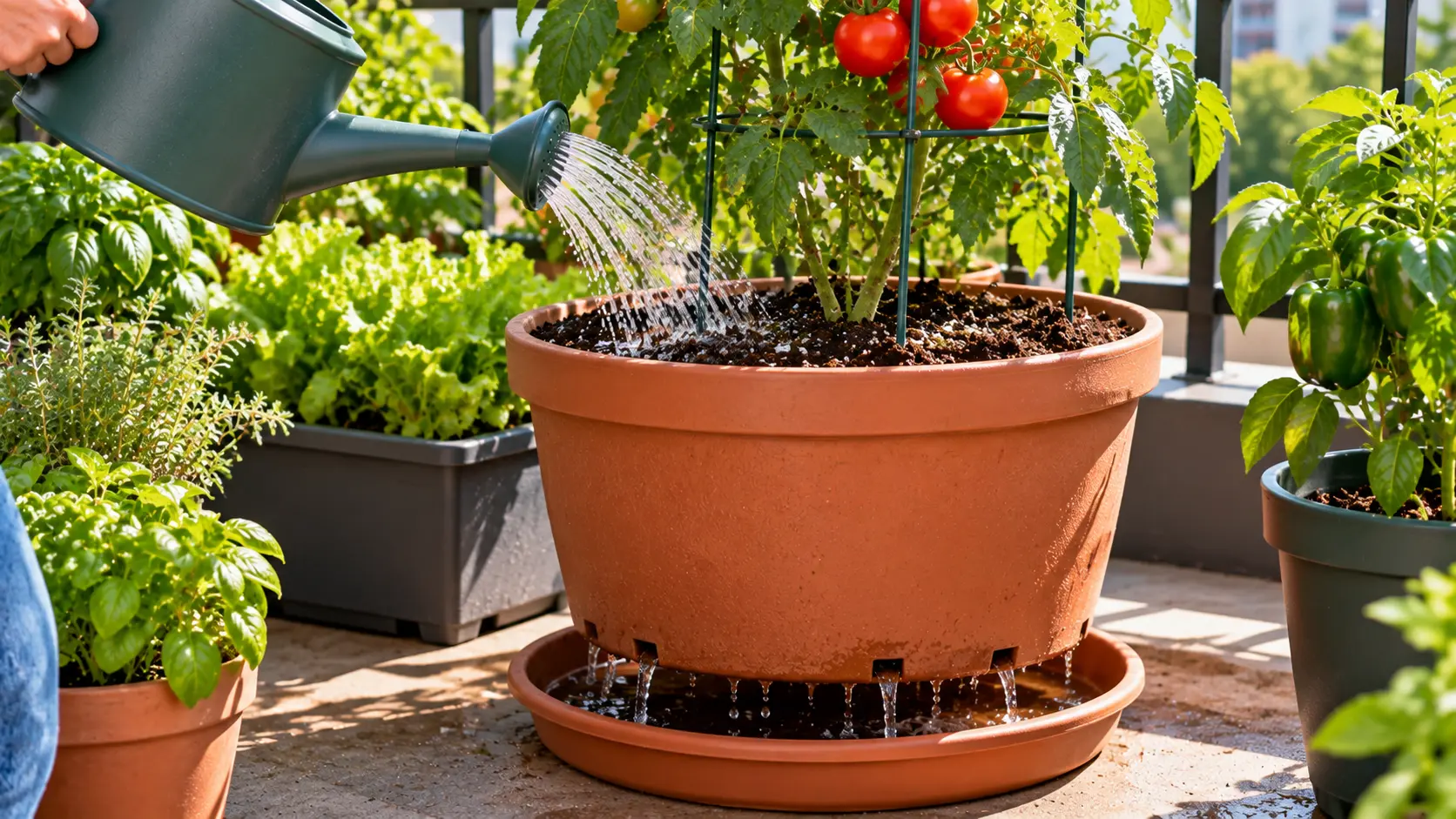
Container vegetables should be watered deeply enough to re-moisten the growing mix rather than receiving frequent shallow splashes. Apply water gently to the growing medium around the base of the plant and allow excess water to escape through the container’s drainage holes.
University Extension guidance consistently emphasizes thorough watering when a container actually needs moisture rather than repeatedly wetting only the surface.
Water the Growing Mix at the Base
Container vegetables should generally be watered at the base so water reaches the growing mix and root zone instead of being sprayed primarily onto the leaves. Water landing mainly on foliage may not adequately replenish moisture around the roots.
Keeping vegetable foliage unnecessarily wet can also create conditions favorable to some foliar diseases.
How Much Water Should You Give Container Vegetables?
Container vegetables should receive enough water to thoroughly re-moisten the growing mix and allow excess water to drain from the bottom of the container. A universal number of cups or gallons does not work because container volume, plant size, growing medium, and the degree of dryness all vary.
The goal is therefore not to measure the same amount of water every time. The goal is to evenly rehydrate the root zone without leaving the container continuously saturated.
Adequate drainage holes are important because excess water needs somewhere to escape after the growing medium has been thoroughly moistened.
Avoid Frequent Shallow Watering
Frequent shallow watering can leave part of a vegetable container’s root zone inadequately moistened. Watering thoroughly when moisture is actually needed is generally more useful than repeatedly wetting only the upper layer of growing mix.
The University of Maryland Extension recommends avoiding quick, shallow watering and applying enough water to thoroughly re-moisten container media.
What If Water Runs Straight Through the Container?
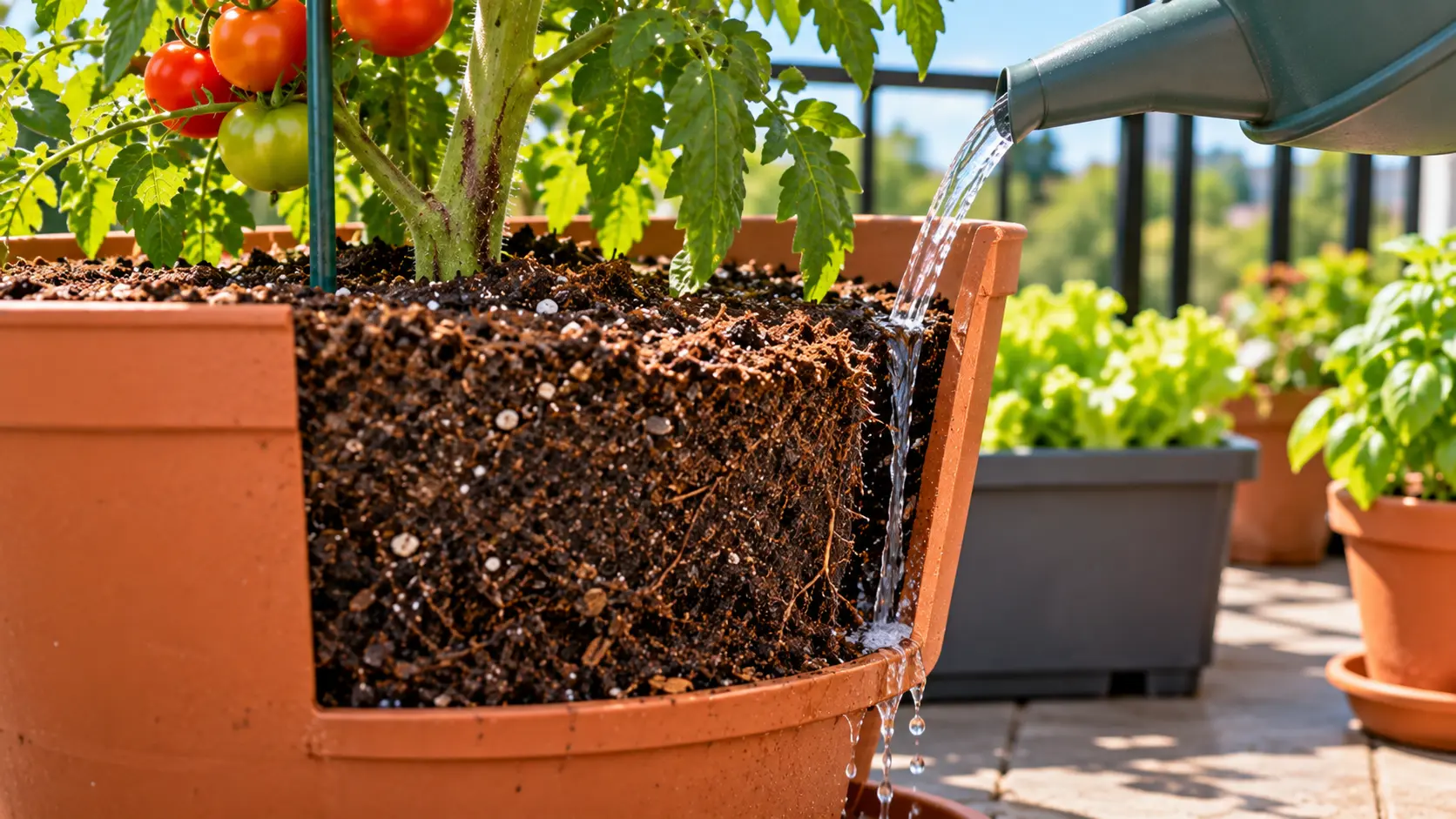
Water running immediately through a very dry vegetable container can mean the potting mix has dried, shrunk, and pulled away from the container walls. Water may then travel through those gaps without evenly rehydrating the root zone.
Apply water slowly and repeat as necessary so the growing mix has time to absorb moisture. A suitable movable container can also be rehydrated from below before being allowed to drain.
Visible water leaving the drainage holes therefore does not always prove that an extremely dry root zone has been completely rehydrated.
Do Container Vegetables Need Water Every Day in Summer?
How often to water container vegetables in summer depends on temperature, wind, container size, plant maturity, and how quickly the growing mix dries. Some container vegetables may need water every day during hot, dry weather, but daily watering should not become an automatic rule.
Wisconsin Horticulture notes that daily watering may become necessary as vegetable plants grow larger, temperatures rise, and fruiting begins. University of Minnesota Extension also notes that containers may need watering once or even twice a day during hot, dry weather, depending on factors such as container size and material.
Container vegetables should be checked daily during hot weather without assuming that every container must be watered daily. A large container in a protected location can dry at a different rate than a small container exposed to full sun and wind.
What Is the Best Time of Day to Water Container Vegetables?
Morning is generally the best time to water container vegetables because the root zone can be replenished before the hotter part of the day. Illinois Extension recommends early-morning watering so plants have moisture available as the day becomes hotter.
Watering at the base also helps avoid unnecessarily wetting vegetable foliage.
A genuinely dry vegetable container should still be watered when it needs water, even if morning has already passed. Waiting for the ideal watering time is less important than preventing unnecessary water stress.
Signs of Underwatering and Overwatering in Container Vegetables
Underwatering and overwatering can produce overlapping symptoms in container vegetables, so plant appearance alone should not determine whether more water is needed. Check the moisture in the growing mix before deciding how to respond.
| Possible observation | What it could indicate | What to check |
|---|---|---|
| Wilting | Too dry or too wet | Moisture below the surface |
| Very dry or shrunken mix | Underwatering | Whether water is bypassing the root zone |
| Persistently soggy mix | Excessive watering or poor drainage | Drainage and watering frequency |
| Poor growth | Several possible problems | Moisture, roots, nutrition, light and temperature |
| Leaf or fruit drop | Water stress or other plant stress | Moisture consistency and overall growing conditions |
The University of Maryland Extension notes that both under- and overwatering can contribute to plant stress. Excessively wet growing media can also reduce the amount of air available around roots.
The symptoms in this table are troubleshooting clues rather than diagnosis. Moisture conditions in the growing mix should be checked before assuming that either underwatering or overwatering is responsible.
How to Keep Vegetable Containers From Drying Out Too Quickly
Vegetable containers can stay moist longer when gardeners reduce unnecessary evaporation and provide enough growing-medium volume to hold a useful moisture reserve. Container size, potting mix, mulch, and placement can all affect how quickly moisture is lost.
Use an adequately sized container for the vegetable being grown, choose an appropriate container potting mix, and consider a surface mulch where appropriate. Grouping compatible containers can also reduce exposure and make moisture checks easier.
Self-watering containers can reduce the frequency of manual watering in some situations, but the reservoir and growing mix still need to be monitored. A self-watering design changes how water is supplied; it does not eliminate the need to monitor plant moisture.
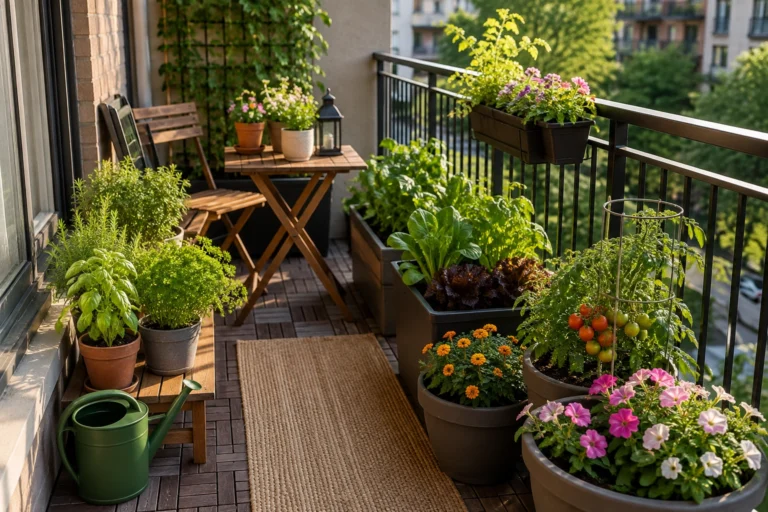
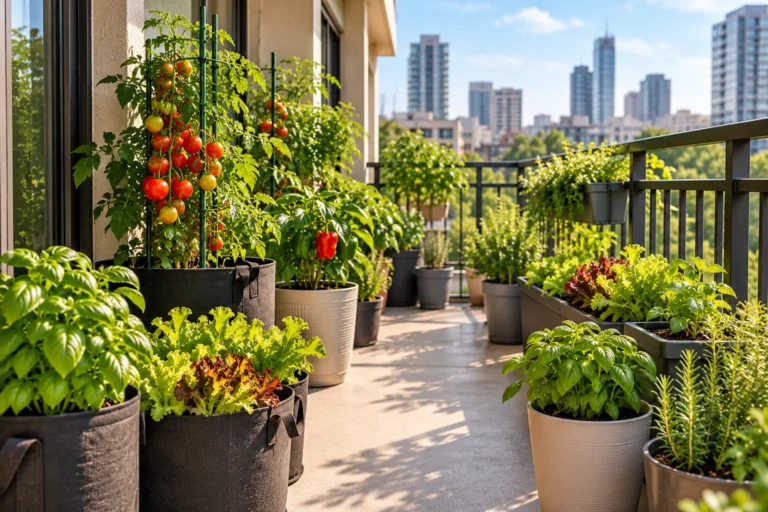
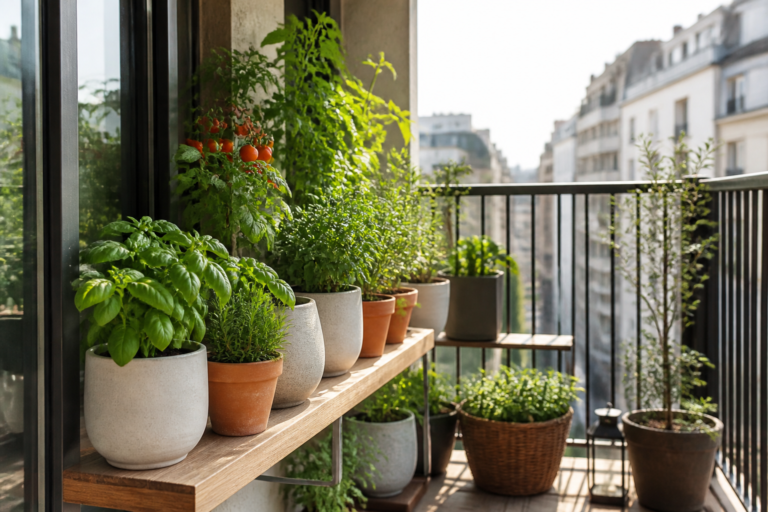
Watering Container Vegetables on a Balcony or Patio
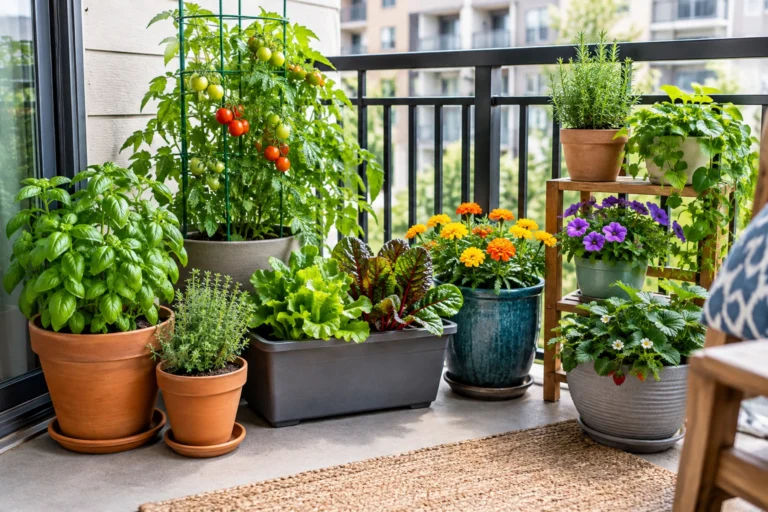
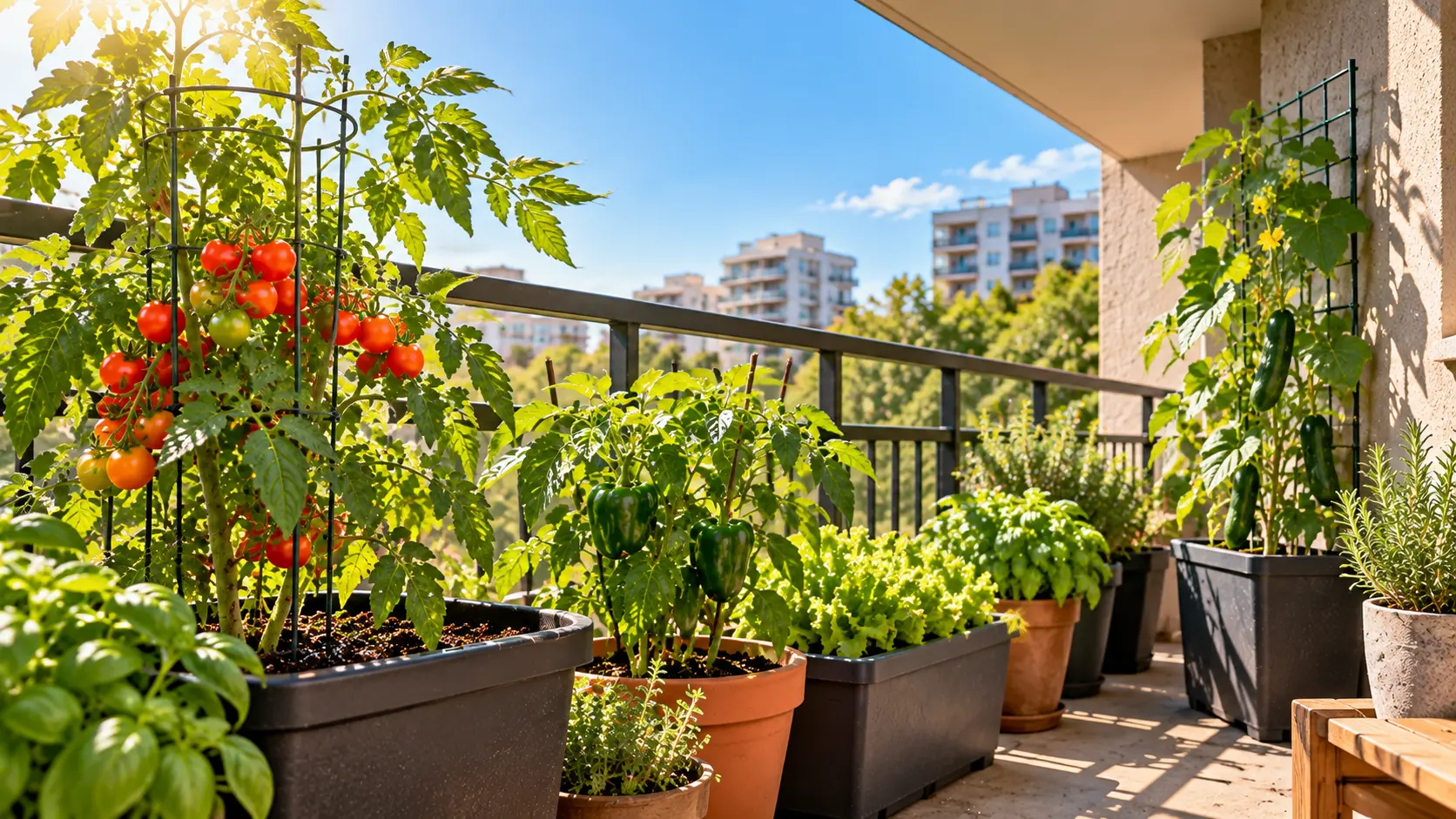
Container vegetables on balconies and patios can dry quickly when exposed to intense sun, reflected heat, wind, or small-container conditions. Balconies beneath roofs or overhangs may also receive little useful rainfall even when rain falls nearby.
The University of Maryland Extension notes that containers near buildings or under overhangs can receive little rainfall. Hard surfaces and exposed locations can also create hotter or drier growing conditions.
Balcony gardeners should check exposed vegetable containers more frequently during hot or windy weather and manage drainage so excess water does not create problems on the balcony or for neighbors below.
Gardeners growing vegetables alongside herbs, flowers, or ornamental plants can also see our guide to how often to water balcony plants for broader balcony-specific watering guidance.
Frequently Asked Questions
Should I Water Container Vegetables Every Day?
Container vegetables do not automatically need water every day, although daily watering may be necessary during hot, dry weather. Check the growing mix before watering instead of treating once-a-day watering as a permanent schedule.
How Do I Know When Vegetables in Containers Need Water?
Check the moisture below the surface of the growing mix to determine whether container vegetables need water. A lightweight movable container can also provide a useful clue because the container becomes lighter as its growing mix dries.
Can You Overwater Vegetables in Containers?
Container vegetables can be overwatered when the growing mix remains saturated for too long. Excess water fills pore spaces that roots also need for air, so adequate drainage and moisture checking are important.
Should I Water Container Vegetables Until Water Drains From the Bottom?
A vegetable container that needs water should generally be watered thoroughly enough for excess water to begin draining from the bottom. This helps re-moisten the growing medium throughout the container instead of wetting only the surface.
If extremely dry potting mix has pulled away from the container walls, however, immediate drainage may mean water is bypassing part of the root zone rather than fully rehydrating it.
Bottom Line
Container vegetables should be checked regularly and watered according to moisture in the growing mix rather than according to a fixed schedule. Hot weather, wind, small or porous containers, mature plants, and fruit production can increase water demand, while cooler conditions and larger containers can slow moisture loss.
When a vegetable container needs water, thoroughly moisten the growing mix, direct water toward the root zone, and allow excess water to drain. During hot summer weather, check container vegetables daily, but don’t confuse daily checking with automatic daily watering.
For more help planning and maintaining an edible garden in a small space, continue with Apartment Vegetable Gardening: A Beginner’s Guide.