How Often Should You Water Balcony Plants?
How often should you water balcony plants? There isn’t one watering schedule that works for every plant. During warm, dry weather, some containers may need water every day or even more often, while larger pots in cooler conditions may stay moist much longer.
The better approach is to check the potting mix regularly and learn how quickly each container dries. Plant type, container size, direct sun, wind, and temperature all affect how often you’ll need to water.
Checking your balcony plants every day doesn’t mean watering them every day.
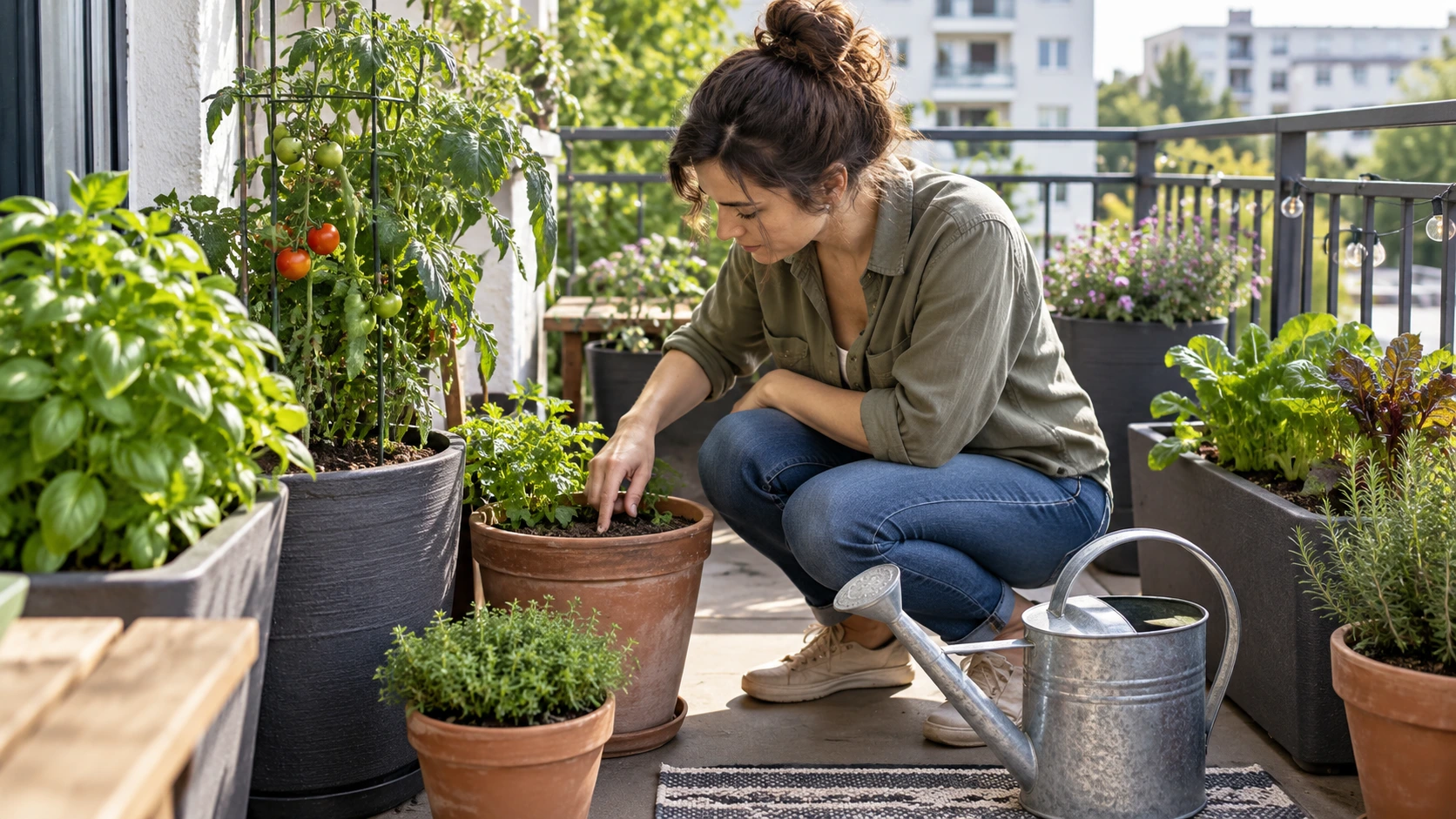
Table of Contents
How Often Should You Water Balcony Plants? Factors That Matter
Balcony conditions can change quickly, so a fixed schedule such as “every three days” won’t work for every container.
| Condition | What It Usually Means |
|---|---|
| Hot, dry weather | Check containers more often |
| Strong direct sun | Potting mix may dry faster |
| Windy exposure | Can increase moisture loss |
| Small container | Usually dries faster than a larger container |
| Large or mature plant | May use water more quickly |
| Porous container material | May dry faster than plastic or glazed containers |
| Cool or cloudy conditions | Potting mix may stay moist longer |
| Plant type | Moisture needs can vary considerably |
How to Tell When a Balcony Plant Needs Water
Learning when a container actually needs water is more useful than memorizing a watering schedule.
Check the Potting Mix
For many container plants, checking the top inch or so of potting mix is a useful starting point.
According to Illinois Extension’s container-watering guidance, if the first inch or so feels dry, it’s generally time to water. The same guidance notes that different plants have different moisture requirements, so this isn’t a rule that applies exactly the same way to every plant.
Push a finger about an inch into the potting mix instead of judging it by the surface. The top can look dry while the mix underneath is still moist.
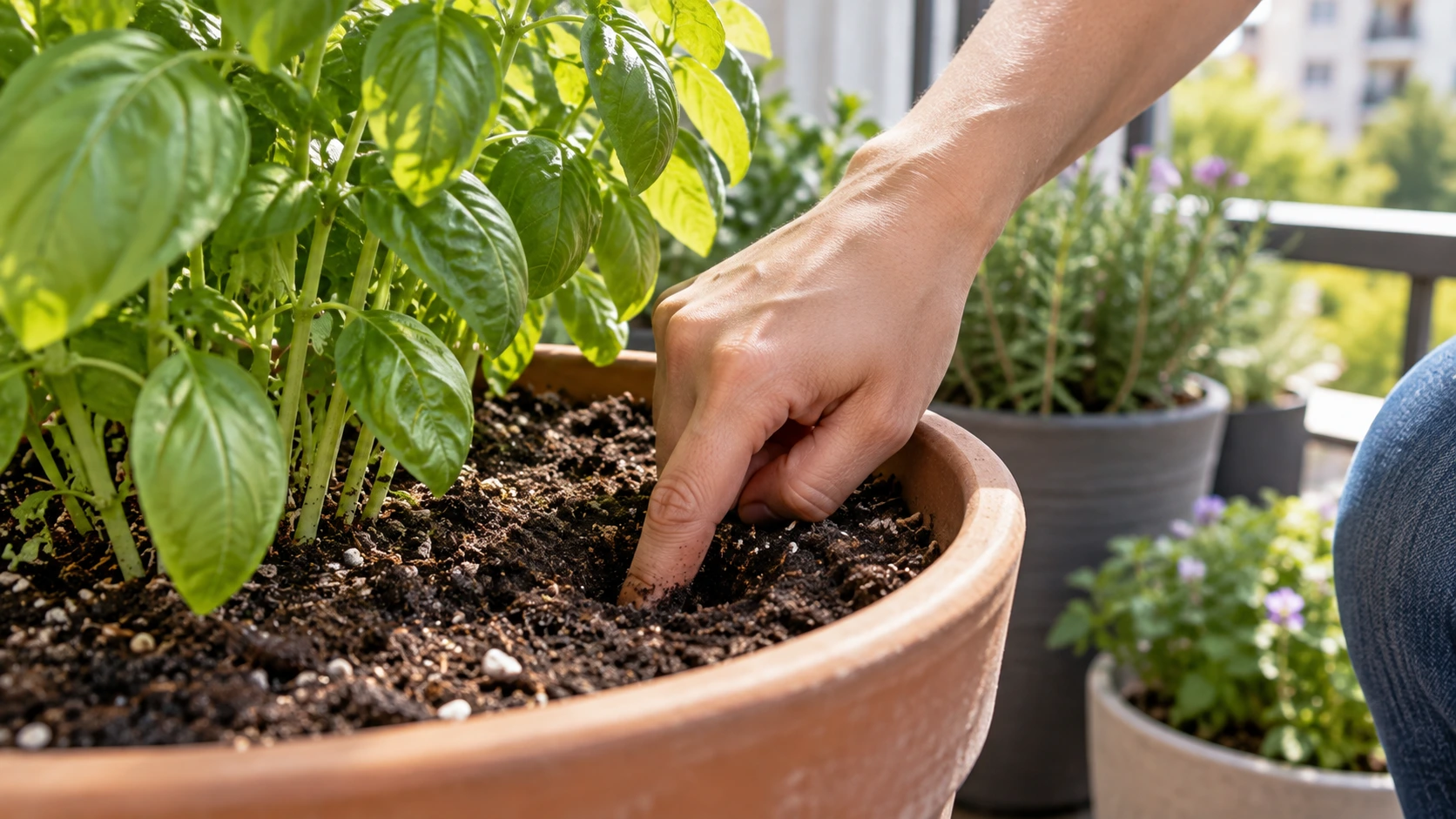
If it still feels moist, the plant may not need more water yet.
Look at More Than the Soil Surface
As a container dries, it becomes lighter. With experience, lifting or gently tilting a smaller pot can help you recognize the difference between a recently watered container and one that’s becoming dry.
Don’t deliberately wait for severe wilting before checking. By then, the plant is already under water stress.
Check regularly. Water when needed.
Should You Water Balcony Plants Every Day?
Not automatically. During warm, dry weather, some balcony containers may need water every day—or even more often—but others won’t.
Watering frequency changes with the season, container location, pot type, and the plants you’re growing. In warm, dry conditions, containers can require daily or more frequent watering.
A fast-growing tomato in a relatively small summer container may use water much faster than a drought-tolerant plant in a larger pot. Even containers sitting side by side won’t necessarily need water at the same time.
Check daily when conditions warrant it. Water the containers that actually need it.
Do Balcony Plants Need Water Every Day in Hot Weather?
They might, but heat alone doesn’t determine the schedule.
Hot weather increases water demand, and balcony containers can be especially exposed. A small pot in strong afternoon sun and drying wind can lose moisture much faster than a large container in a protected spot.
On very hot days, check vulnerable containers more often. Pay particular attention to small pots, mature plants, porous containers, and anything exposed to strong sun or wind.
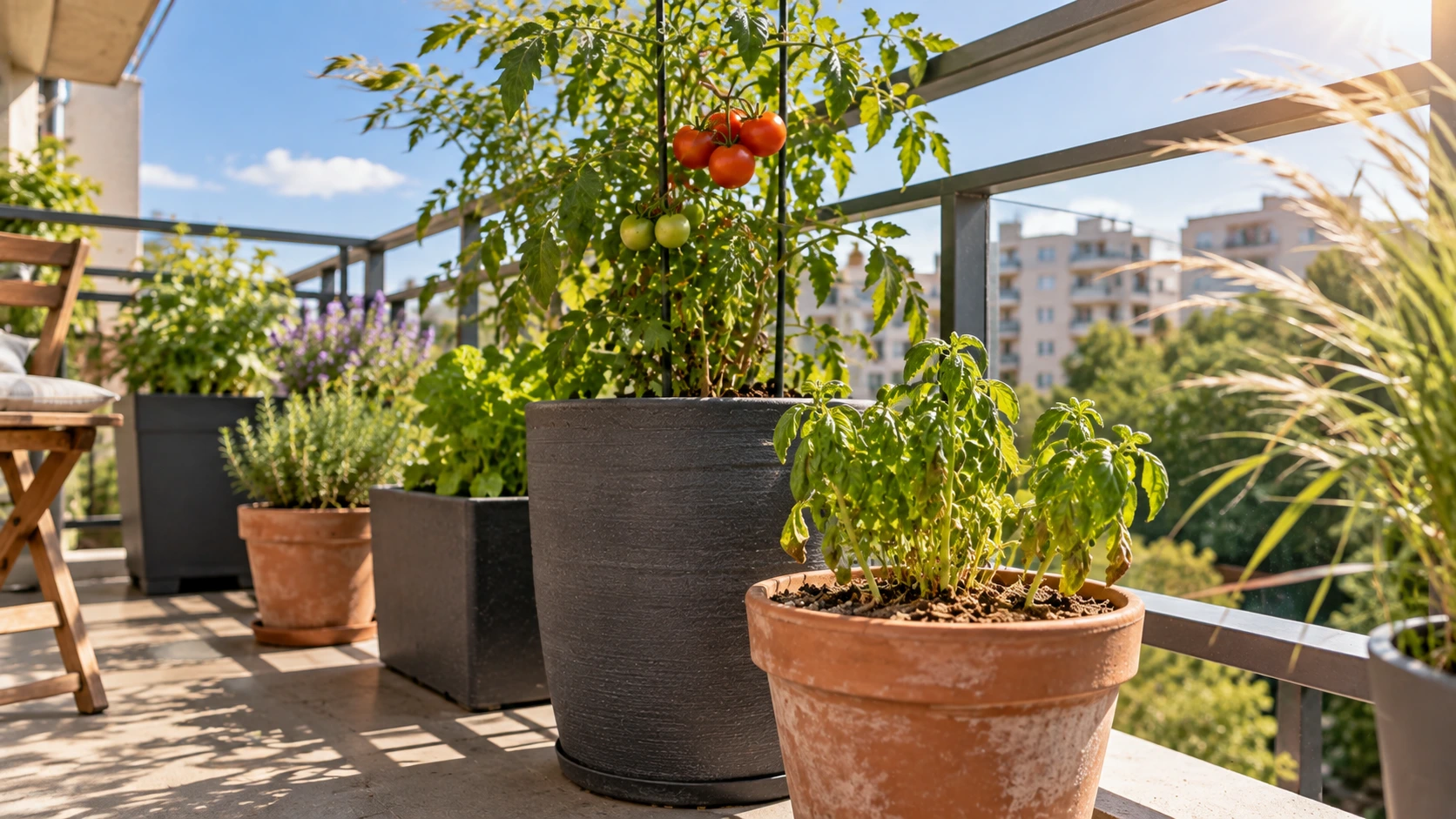
Strong afternoon exposure can also raise temperatures around the pots themselves. If you’re still evaluating your growing conditions, start by figuring out how much sun your balcony garden gets.
Is Watering Balcony Plants Once a Week Enough?
It can be for some plants under some conditions, but once a week shouldn’t be treated as a fixed balcony-watering schedule.
A large container during mild, cloudy weather may retain usable moisture much longer than a small clay pot exposed to summer sun and wind.
Instead of deciding that Saturday is always watering day, check the potting mix. If it’s still appropriately moist for the plant you’re growing, don’t add water simply because a week has passed. If it dries much sooner, waiting until the end of the week may be too long.
Let the plant and container conditions determine the schedule—not the calendar.
How Should You Water Balcony Containers?
When a balcony plant needs water, the goal is to moisten the root zone thoroughly, not to water for an arbitrary number of minutes.
Water the Potting Mix Thoroughly
Illinois Extension recommends watering containers thoroughly until water begins to trickle from the drainage holes. In practice, that means watering the potting mix slowly enough to moisten the root zone rather than giving the surface a quick splash.
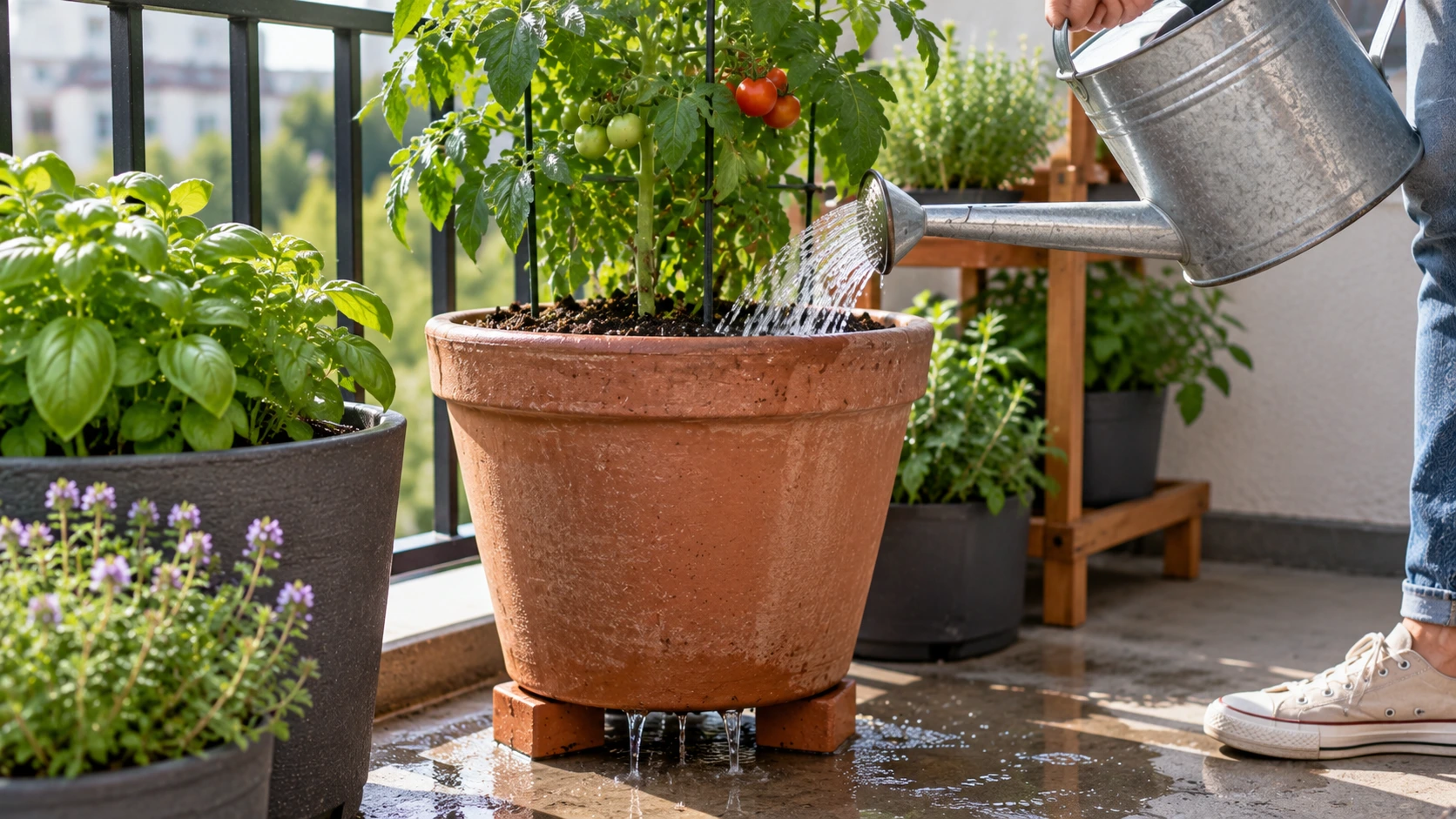
If potting mix becomes extremely dry, it can become more difficult to rewet evenly. Water may run down gaps around the sides and escape through the drainage holes without thoroughly moistening the root zone.
If that happens, the growing medium may need to be watered more than once to rehydrate evenly.
Make Sure Excess Water Can Escape
Good watering depends on good drainage.
The University of Georgia Extension’s container gardening guidance recommends containers with adequate drainage holes so excess water can escape. Poor drainage can leave the growing medium excessively wet and reduce the air available around the roots.
So when you water thoroughly, excess water should have somewhere to go.
If you’re still choosing pots and growing media, our apartment container gardening guide covers container size, drainage, potting mix, and other setup basics.
Can You Overwater Balcony Plants?
Yes. But watering thoroughly isn’t the same as overwatering.
When a container needs water, thoroughly moistening the root zone and allowing excess water to drain is good practice. Problems arise when the growing medium stays excessively wet and roots don’t receive enough oxygen.
Illinois Extension warns that waterlogged containers can lead to poor growth and eventually plant decline or death.
So if the potting mix is still wet, don’t add more water just because it’s your usual watering day. Check the moisture first and make sure the container drains properly.
How Do You Keep Balcony Pots From Drying Out So Quickly?
Some balcony containers naturally dry faster than others, but you can reduce unnecessary moisture loss without keeping the growing medium constantly wet.
Use a Large Enough Container
Small containers generally dry faster because they hold less growing medium and have a smaller moisture reserve.
Larger containers generally need watering less frequently than small pots, although the right container size still depends on what you’re growing.
That doesn’t mean every plant belongs in an oversized container. Choose a pot appropriate for the mature plant and its root system.
For vegetables, container dimensions can also affect root development. Before choosing a pot based only on how much water it holds, check how deep containers need to be for vegetables.
Consider the Container Material
The material of the pot can affect how quickly moisture is lost.
Clay, fabric, and unglazed ceramic containers are porous and can dry faster than plastic or glazed containers. Illinois Extension includes container material among its recommendations for reducing water loss from container gardens.
That doesn’t make clay pots bad. It simply means you may need to check them more frequently, especially in hot or exposed conditions.
Reduce Moisture Loss
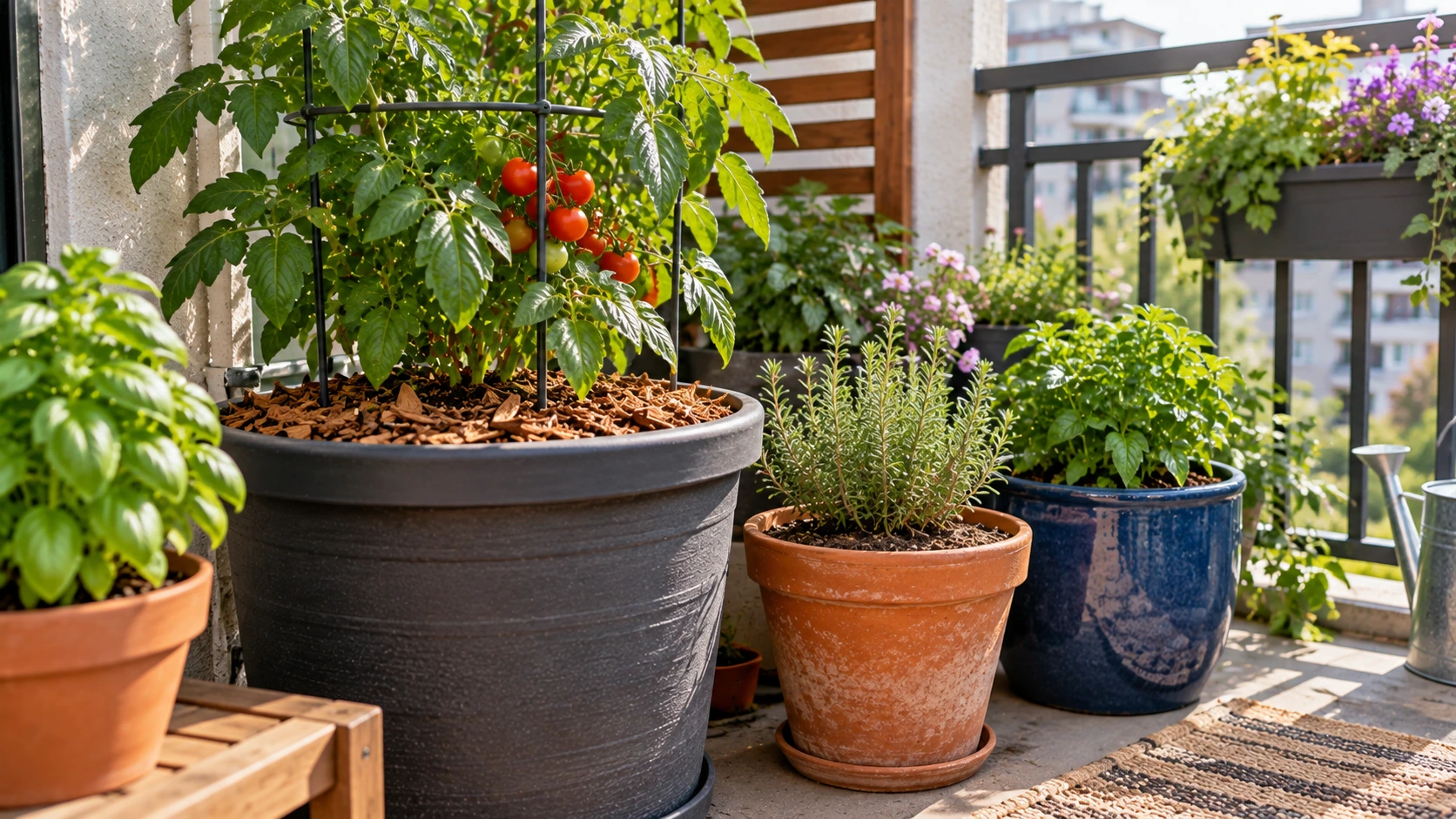
A layer of appropriate mulch on top of the potting mix can help reduce evaporation. The same Illinois Extension guidance recommends mulch as a way to limit water loss from container plantings.
You can also pay attention to placement. If a particularly thirsty container is exposed to strong drying winds, a somewhat more protected location may slow moisture loss—as long as moving it doesn’t deprive the plant of the sunlight it needs.
The goal isn’t to keep the potting mix wet all the time. It’s to prevent unnecessarily rapid moisture loss while still maintaining good drainage.
Consider Automatic Watering for Larger Container Collections
If you’re managing several fast-drying containers, hand watering can become difficult to keep up with. Self-watering containers or drip irrigation can make watering more consistent.
If you want to automate the process, see our guide to an automatic plant watering system.
What If You’re Going Away for Several Days?
If no one will be home to check your containers, see our guide to watering plants while away from home for options based on how long you’ll be gone.
Frequently Asked Questions About Watering Balcony Plants
Is Morning or Evening Better for Watering Balcony Plants?
Morning is generally a good time to water outdoor container plants. Cooler conditions can reduce evaporation, and plants have moisture available as temperatures rise during the day.
Colorado State University Extension recommends morning irrigation for vegetable gardens, particularly during the cooler part of the day.
If a container is genuinely dry and the plant needs water later in the day, however, don’t leave it severely stressed simply because you missed the morning window.
When possible, apply water to the potting mix rather than routinely wetting the foliage.
Should You Water Balcony Plants If the Soil Is Still Wet?
Usually not just because it’s your normal watering day.
If the potting mix is still appropriately moist for that particular plant, adding more water may keep the root zone wetter than necessary.
Check below the surface and consider the moisture preferences of the plant you’re growing. Some plants prefer more consistent moisture, while others tolerate or prefer more drying between waterings.
Why Do Balcony Pots Dry Out So Fast?
Balcony pots can dry quickly because they hold a limited volume of potting mix and may be exposed to sun, heat, and wind. Small or porous containers and mature plants can shorten the time between waterings even further.
That’s why the actual moisture in the pot is a better guide than a fixed watering schedule.
The Bottom Line
Check first, then water.
Get into the habit of checking your containers and you’ll quickly learn which ones dry out first. During hot, windy weather, that may mean checking every day. In cooler conditions, some pots will stay moist much longer.
When a plant needs water, soak the potting mix thoroughly and let the excess drain.
The calendar can remind you to check your plants. The potting mix should tell you whether it’s time to water.