Apartment Gardening: The Complete Beginner’s Guide
In This Guide
Apartment Gardening: What Beginners Need to Know
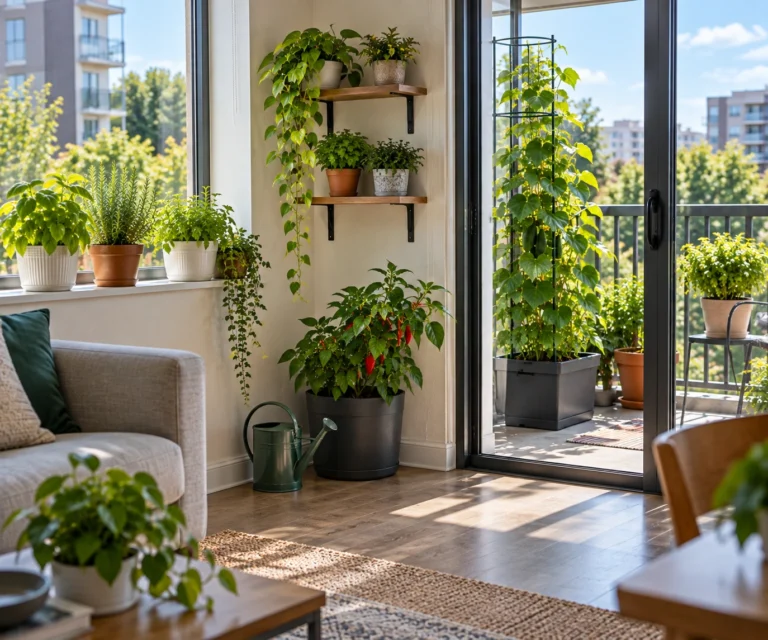
Apartment gardening works indoors, on balconies, patios, windowsills, shelves, countertops, and other small spaces when you match each plant to the available light and container size. You don’t need a yard, expensive equipment, or years of experience. You need a safe location, suitable containers, quality potting mix, and a watering routine you can maintain.
The process can be broken into five manageable steps: assess your space, measure the available sunlight, choose suitable plants, prepare your containers and potting mix, and establish a watering routine. Starting with three to five containers is usually more successful than covering every surface and creating a difficult maintenance job.
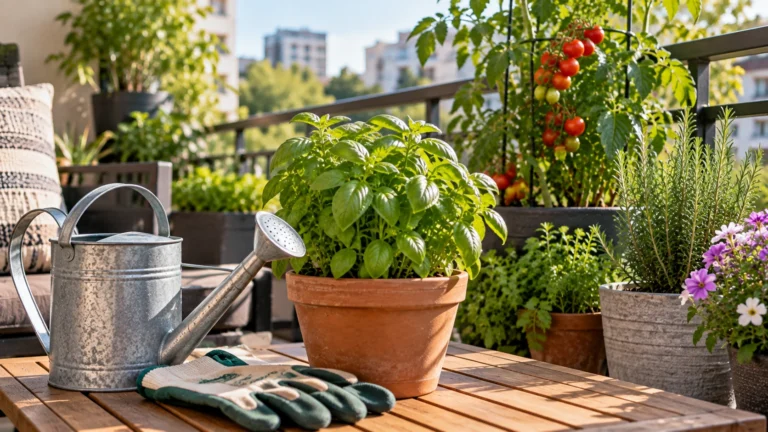
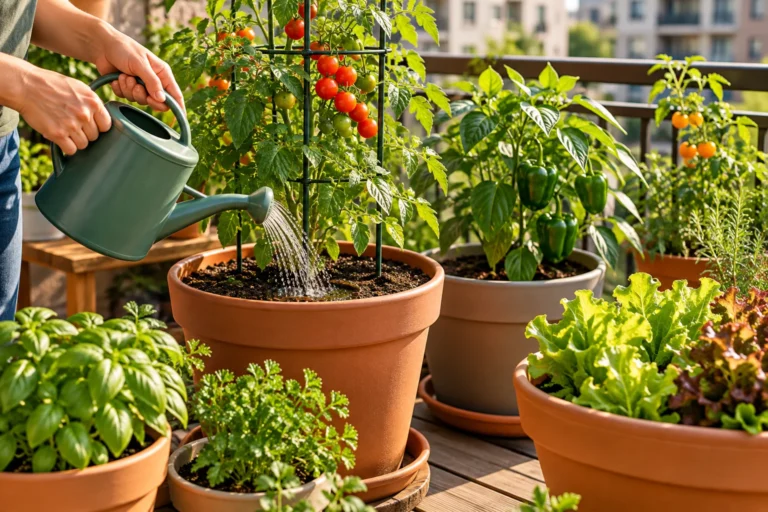
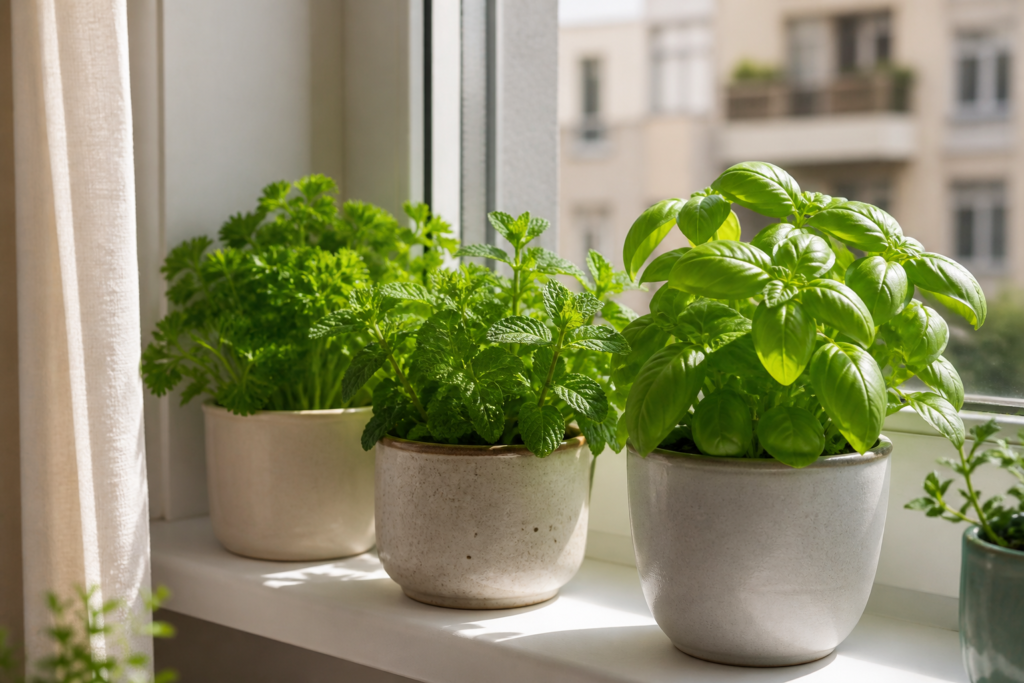
As a simple starting point, begin with one herb, one leafy crop, and one decorative or fruiting plant. You could grow basil in a sunny window, lettuce in a shallow planter, and a compact pepper on a balcony. The practical benefits can include fresh ingredients, flowers, better use of unused space, and a low-cost way to learn gardening.
There are drawbacks: limited light, water spills, pests, temperature swings, and restricted growing area. This guide walks you through the essentials of apartment gardening, including choosing a growing space, finding the right plants, selecting containers and soil, managing light and water, growing indoors or on a balcony, and building a simple garden you can maintain.
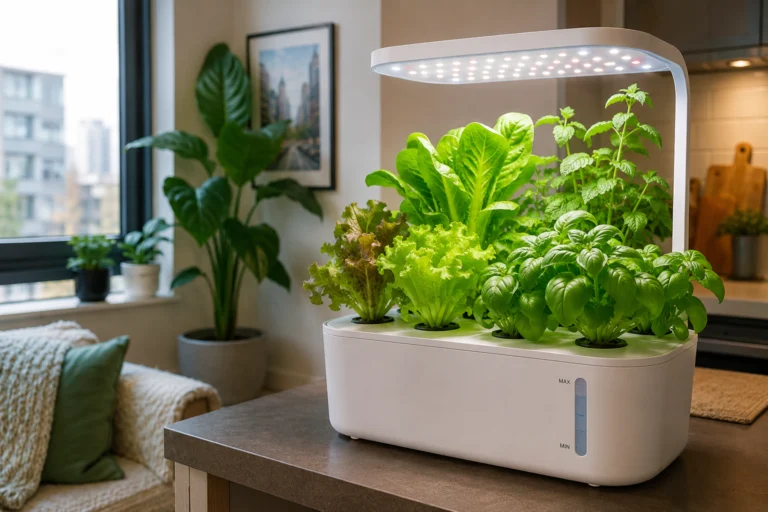
A small apartment garden can also include countertop hydroponic systems or grow lights when natural light is limited. The key is to build around your apartment’s real conditions rather than choosing plants first.
How to Start Apartment Gardening by Assessing Your Space
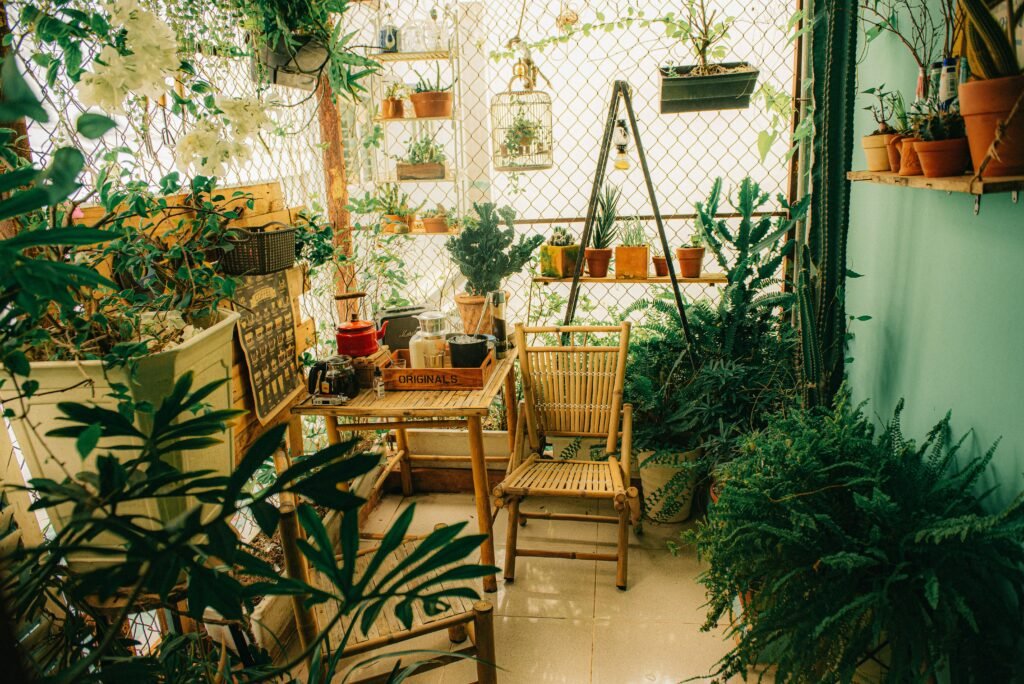
Start with a space audit before buying plants. Write down every possible location, then measure floor, shelf, windowsill, and countertop dimensions. A 6-inch-wide shelf may suit herbs but not a tomato, while a 24-inch balcony corner can hold a stable container and small trellis.
- List locations: include window shelves, windowsills, countertops, bookcases, plant stands, balconies, patios, shared courtyards, and fire escapes only where local rules explicitly permit gardening.
- Check services: identify nearby outlets and water sources, and note how far you must carry a full watering can.
- Test surfaces: confirm that shelves, tables, and floors can support wet containers without bending, staining, or becoming unstable.
- Record hazards: mark heating vents, radiators, air-conditioning drafts, hot glass, pets, children, and blocked walkways.
Observe each candidate area over one clear day. Record when direct rays hit the surface, when nearby buildings create shade, and whether sunlight changes sharply after noon. Classify the location as full sun, partial shade, bright indirect light, or low light. A light meter can help, but a written observation log is enough for a first garden.
Beginners will usually find a compact first setup easier to manage. For example, use one herb pot, one leafy-green planter, and one flowering or fruiting plant. Three containers make it easier to compare watering needs, notice pests early, and adjust plants before adding more.
If you already know you want to grow outdoors, these balcony garden design ideas can help you plan a functional layout before choosing containers, plants, and growing methods.
Indoor or Outdoor? Choosing the Best Apartment Garden Location
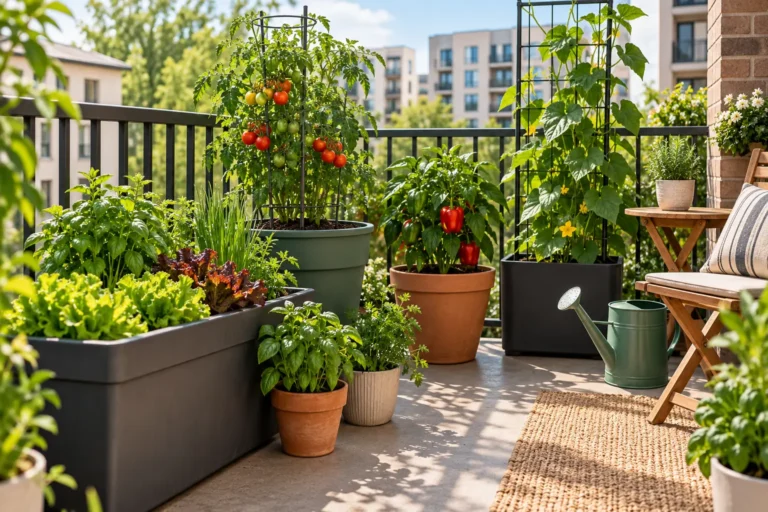
Indoor gardening offers steadier temperatures, easier access to water, and protection from wind, but it may provide less direct light and can create moisture or soil mess. Apartment balcony gardeningApartment balcony gardening offers stronger sunlight and better airflow, yet containers dry faster, pests arrive more easily, and weather can damage tender plants. Outdoor containers also require more cleanup because wind moves leaves, soil, and water.
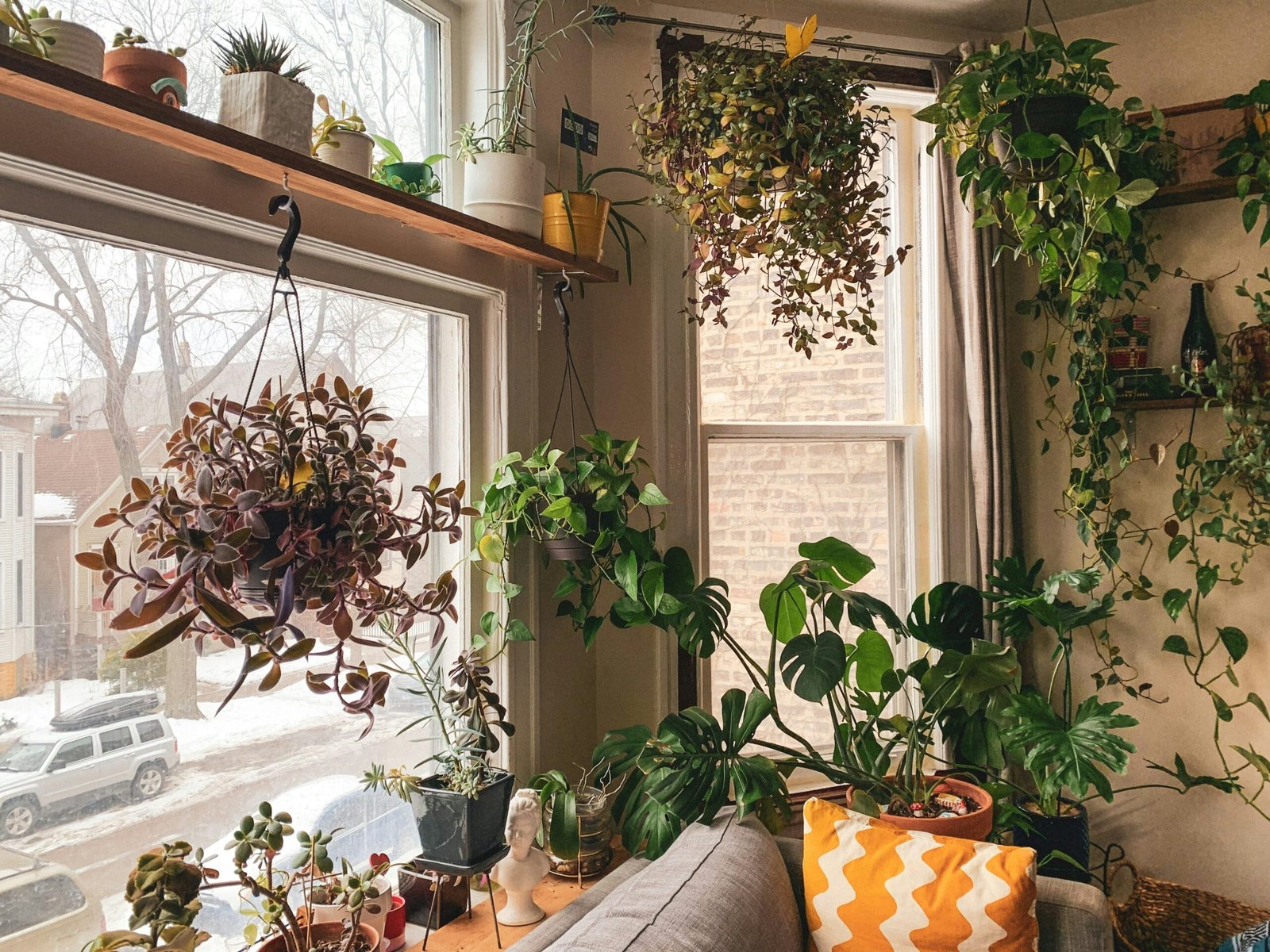
South-facing windows often provide the strongest light. East-facing windows receive gentler morning sun, while west-facing windows can work well but may become hot in afternoon. North-facing spaces commonly need grow lights for edible crops. The University of Minnesota Extension explains that light direction, intensity, and duration all affect indoor plant growth.
Direct light means sunlight falls on the leaves; indirect light means the area is bright but rays are filtered or reflected. Sheer curtains, tinted glass, nearby buildings, balconies above you, and changing seasonal sun angles can reduce intensity. A window that looks bright to your eyes may still be too dim for tomatoes or peppers.
Balconies create their own microclimate. Railing turbulence increases wind, exposed containers lose moisture quickly, and dark surfaces can become much hotter than the surrounding air. Place tender plants near a protected wall, group pots to reduce drying, and avoid putting lightweight containers at the edge.
Before installing window boxes, hanging planters, trellises, railing pots, or exterior hooks, review your lease, landlord instructions, condominium rules, and building regulations. Get written permission where required. Never block an exit, drill into exterior surfaces without approval, damage walls, or allow water to drip onto lower balconies.
The Best Plants for Apartment Gardening and Small Spaces
Choose plants by light, mature size, and your experience level. Herbs and leafy greens are reliable beginner crops because they grow quickly and fit shallow containers. Bright locations can support patio tomatoes, dwarf peppers, bush beans, mini cucumbers, strawberries, and some dwarf citrus. Decorative areas may suit flowers or foliage plants that tolerate bright indirect light.
Useful compact plant varieties include baby carrots, radishes, compact lettuce, microgreens, patio tomatoes, dwarf peppers, bush beans, mini cucumbers, and strawberries. Herbs such as basil, chives, cilantro, parsley, thyme, mint, oregano, and rosemary are strong starter choices. Keep mint in its own container because its spreading roots can crowd other herbs.
Match crops to container depth:
- Use shallow planters for lettuce, microgreens, radishes, and many herbs.
- Use deeper, heavier pots for tomatoes, peppers, carrots, and dwarf citrus.
- Use sturdy containers for beans, cucumbers, or tomatoes that need trellises.
Seeds provide variety and usually a lower cost per plant. Open-pollinated seeds allow saved seed to reproduce similar plants, while hybrids can offer useful traits but may not grow true from saved seed. Direct sowing is easiest for radishes, lettuce, and microgreens; a healthy nursery seedling saves time and space for tomatoes or peppers.
A practical crop plan uses basil and chives at a sunny window, lettuce or a patio tomato in one balcony container, and a low-light foliage plant or microgreens under a grow light on an indoor shelf. We recommend starting with varieties labeled dwarf, compact, patio, bush, or container-friendly.
Containers, Soil, and Drainage for Apartment Gardens
Choose a container based on the plant’s mature size, root depth, weight, material, stability, and available space. Nursery pots are inexpensive and practical; ceramic containers are attractive but heavy; fabric grow bags are light and breathable; railing planters require explicit building approval. Clean, food-safe recycled vessels can work if you add proper drainage holes.
Every container needs drainage. A decorative cachepot should hold an inner pot with holes rather than trapping roots in standing water. Do not rely on a layer of gravel to fix a container without holes; it reduces planting volume without replacing an actual drainage opening.
Use potting soil or potting mix for established container plants, not ordinary garden soil, which is often too dense and can restrict air around roots. Use seed-starting mix for germination. Coconut coir can retain moisture as an amendment or serve as part of a soilless medium, but prepare compressed coir according to its package directions and avoid keeping it saturated.
Cover a drainage hole loosely with mesh or a small piece of broken pot without sealing it. Add moistened mix, position the plant at its original depth, fill gently, and leave about inch of headspace so water doesn’t immediately run over the rim. Place a waterproof mat beneath indoor containers and empty drainage trays after watering.
A 6-inch shallow herb pot may suit basil or chives, but a dwarf tomato usually needs a substantially larger, stable container because the plant becomes top-heavy and consumes more water. The U.S. Environmental Protection Agency recommends careful watering practices that also help prevent household water waste.
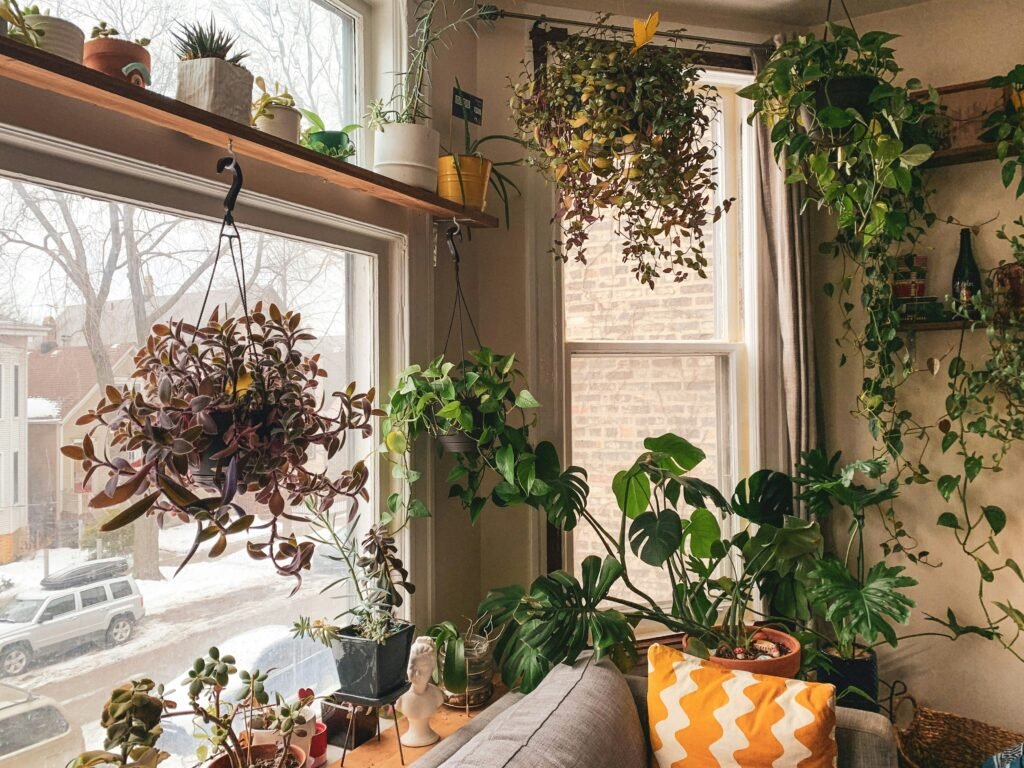
Sunlight, Grow Lights, and Seasonal Apartment Microclimates
Full-sun crops generally need several hours of direct sunlight each day, while partial-shade crops tolerate less. Foliage plants often prefer bright indirect light. If a plant develops long weak stems, pale leaves, slow growth, or unusually large gaps between leaves, insufficient light is a likely cause. Scorched edges may indicate excessive heat or intense sun through glass.
Move plants gradually when changing light levels, rotate pots every few days for even growth, and wipe dusty leaves with a damp cloth. Keep a simple log showing the plant’s location, watering date, new growth, and symptoms. That record is more useful than guessing after several weeks.
Grow lights help with north-facing windows, deep interior rooms, winter conditions, and apartments with little natural light. Use a timer, keep the fixture away from water, allow ventilation, and follow the manufacturer’s recommended distance because heat and excessive intensity can damage leaves. Compact LED fixtures make shelf-based indoor gardening practical, but electricity, heat, and cord safety still matter.
Seasonal changes are significant. Winter light is weaker, summer glass can overheat leaves, and balcony containers cool faster than ground soil. Before local frost dates, move containers indoors, group them near a protected wall, insulate pots, and keep foliage away from cold glass. Check local frost guidance from the National Centers for Environmental Information.
Hydroponic, aeroponic, and countertop indoor growing systems can produce leafy greens and herbs without traditional soil. They require electricity, nutrient solution, reservoir cleaning, and regular monitoring, so they solve light or space problems but don’t eliminate maintenance.
Watering Apartment Plants Without Leaks or Root Rot
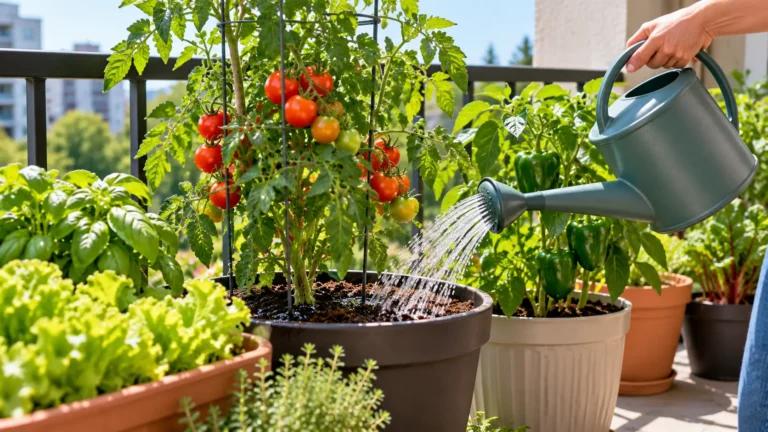
Water by checking the plant, not by following a fixed calendar. Press a finger into the top layer of mix or use a moisture meter, then water slowly until a small amount drains from the bottom. Allow excess water to finish draining and empty the tray. This method wets the root zone while protecting floors and reducing salt buildup.
Containers dry at different rates because of plant size, sunlight exposure, humidity, airflow, pot material, and mix composition. A small terracotta herb pot beside a sunny window may need water much sooner than a large plastic pot on a shaded shelf. Check new plants daily for the first week, then adjust based on their actual drying time.
Prevent overwatering with drainage holes, breathable potting mix, an appropriately sized container, and trays that never remain full. If leaves wilt while the soil stays wet, inspect roots for damage rather than adding more water. Yellowing leaves can reflect excess moisture, but they can also result from poor light or nutrient problems.
Hand watering is simplest. Self-watering containers, capillary mats, and reservoir systems can help during short absences, but reservoirs still need cleaning and soil still needs occasional checking. For a two- to seven-day trip, move plants away from harsh sun, water appropriately before leaving, and test a wick or reservoir setup in advance. For longer absences, ask a trusted person to check them.
If you want a more hands-off setup, our guide to automatic plant watering systems explains the main options and how to choose one for an apartment garden.
On balconies, use saucers or leak-proof trays, water slowly, and comply with building rules. Runoff must never fall onto pedestrians, neighboring units, or electrical equipment. The U.S. Department of Agriculture also emphasizes that plant water needs vary with weather, soil, and crop conditions.
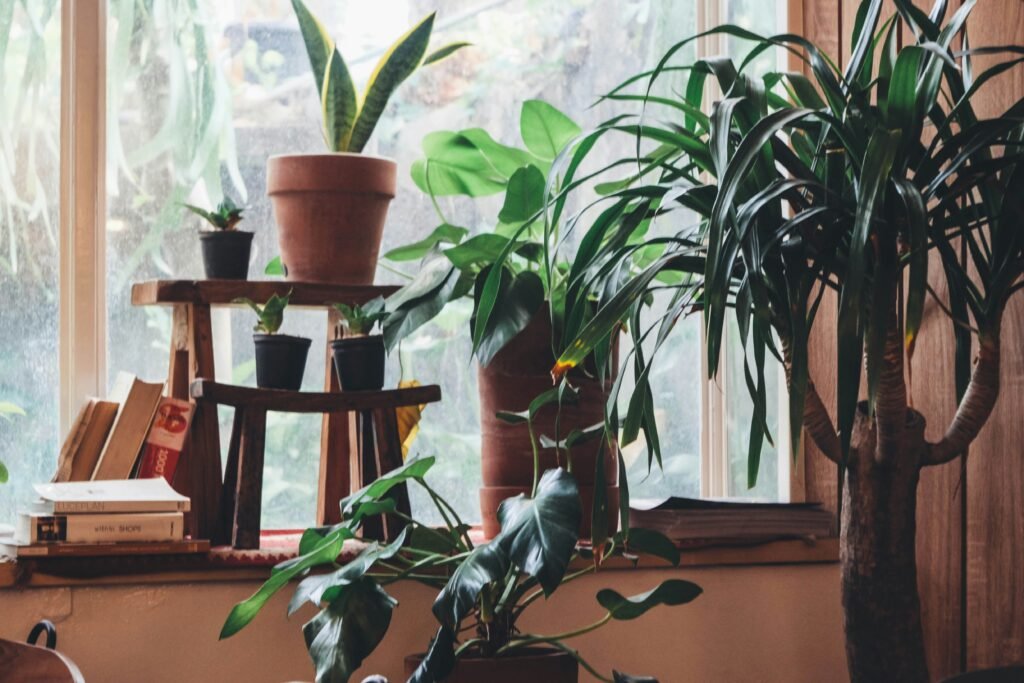
Seeds, Feeding, and Pollination in an Indoor Garden
Start seeds in a clean seed-starting mix rather than heavy potting soil. Moisten the mix, sow at the depth listed on the packet, label the variety and date, and keep the surface evenly moist. After germination, move seedlings into stronger light promptly; weak light is a common reason indoor seedlings become thin and floppy.
Open-pollinated seeds offer dependable variety and the option of saving seed, while hybrids may provide uniform growth, disease resistance, or compact form. Purchased seedlings are often the fastest route for beginners with limited space. Seeds usually cost less per plant, but a failed seedling still consumes valuable shelf space and time.
Feed only according to the fertilizer label. Small containers hold little nutrient reserve, yet overfertilizing can burn roots and cause salt accumulation. Reduce feeding when winter light and growth slow. Airflow helps stems strengthen and lowers the chance of fungal problems, but don’t place plants so close that leaves stay wet or pests spread easily.
Tomatoes, peppers, strawberries, and dwarf citrus may flower indoors without producing fruit because pollinators are absent. For a tomato, gently tap the flower cluster or use a small, dry artist’s brush to move pollen between the flower’s inner parts on a dry day. Repeat every few days while flowers are open.
Fruiting plants need more light than herbs. A basil plant may remain productive on a bright windowsill, while an indoor tomato commonly needs a strong grow-light setup, adequate container volume, feeding, airflow, and hand-pollination. Consider indoor fruiting crops a second-stage project rather than a first purchase.
Balcony Safety: Weight, Wind, Railings, and Building Rules
Confirm balcony load limits with your landlord, property manager, or building engineer before adding multiple containers, wet potting mix, water reservoirs, or ceramic planters. Never guess structural capacity. Wet mix and stored water weigh substantially more than dry materials, and several containers can concentrate a heavy load in one small area.
Use lightweight containers where possible and distribute them across the balcony rather than grouping everything in one corner. A large water-filled reservoir, saturated grow bag, and ceramic pot may each be manageable alone but create a different safety question together. Keep an itemized count of containers and ask for written guidance when rules are unclear.
Never hang a planter from a railing unless the building explicitly permits it and the hardware is rated for the filled container. Secure pots against tipping, avoid damaged railings, and don’t place loose stakes, tools, or lightweight objects near an edge. Low-profile containers are safer in wind; tall plants belong behind sturdy barriers, and trellises must be safely anchored.
Inspect your setup weekly and after storms:
- Keep exits, drains, walkways, and fire access clear.
- Check flooring, railing attachments, plant ties, and container stability.
- Keep children and pets away from unstable or toxic plants.
- Remove standing water and prevent runoff onto lower balconies.
If exterior gardening is restricted, use window shelves, freestanding vertical gardening, approved interior hooks for hanging pots, or a countertop hydroponic system instead. Renter-safe gardening should improve your home without creating a structural, water, or falling-object hazard.
Budgeting and Troubleshooting a Beginner Apartment Garden
Buy essentials first: containers with drainage, potting mix, seeds or seedlings, a watering can, trays, and labels. Grow lights, self-watering systems, moisture meters, and hydroponic equipment are optional upgrades. A low-cost setup can reuse clean nursery pots and food-safe containers with drainage; a mid-level setup can use a small starter kit; a higher-output setup can add lights and reservoirs.
For more ways to stretch a small gardening budget, see our very small garden ideas on a budget for practical, affordable ways to use limited space.
Reduce costs by growing from seeds, propagating suitable herbs, reusing clean pots, choosing productive crops, and buying fewer varieties. Lettuce, radishes, herbs, and microgreens provide more frequent harvests than a single decorative plant. Limiting the first purchase to three or five plants also reduces wasted soil and helps you identify which locations actually work.
Use symptoms to troubleshoot:
- Leggy growth: usually move the plant closer to a suitable light source or add a grow light.
- Yellow leaves: check wet soil, drainage, light, and fertilizer practices before adding nutrients.
- Crispy edges: inspect heat from glass, dry air, wind, and inconsistent watering.
- Fungus gnats: allow the mix surface to dry appropriately and stop keeping trays wet.
Inspect new plants before bringing them inside, isolate suspicious specimens, wipe leaves, and improve airflow. If pets share your apartment, choose pet-safe plants and control pests with methods appropriate for animals. Spend about 10 minutes each week checking moisture, pests, light position, plant ties, trays, and balcony safety.
A Simple 30-Day Apartment Gardening Plan
A 30-day plan keeps apartment gardening practical instead of overwhelming. You don’t need to solve every problem before planting, but you should settle safety, light, and drainage first.
- Days 1–3: inspect the lease and building rules; map windows and balcony conditions; measure shelves and floors; identify pets, drafts, heat sources, and water-sensitive flooring.
- Days 4–7: observe sunlight exposure, classify each location as direct or indirect light, choose indoor or outdoor growing, and decide whether grow lights are necessary.
- Week 2: choose three to five compact varieties; buy containers with drainage; select seed-starting mix or potting soil; prepare coconut coir only as directed on its package.
- Week 3: sow seeds or transplant seedlings; label containers; set up trays and waterproof mats; position plants safely; install only approved trellises or hanging pots; begin moisture checks.
- Week 4: assess new growth; adjust light and watering; begin light feeding only when appropriate; hand-pollinate flowering fruit plants; remove weak or overcrowded seedlings.
For your first step, grow one sunny herb container, one leafy crop, and one plant suited to your available light. After you understand drying time, plant response, and building restrictions, expand into balcony gardening, vertical gardening, or a larger indoor system.
The best apartment garden is still the one you can maintain consistently. Start small, observe carefully, and let successful habits—not unused space—determine what you grow next.
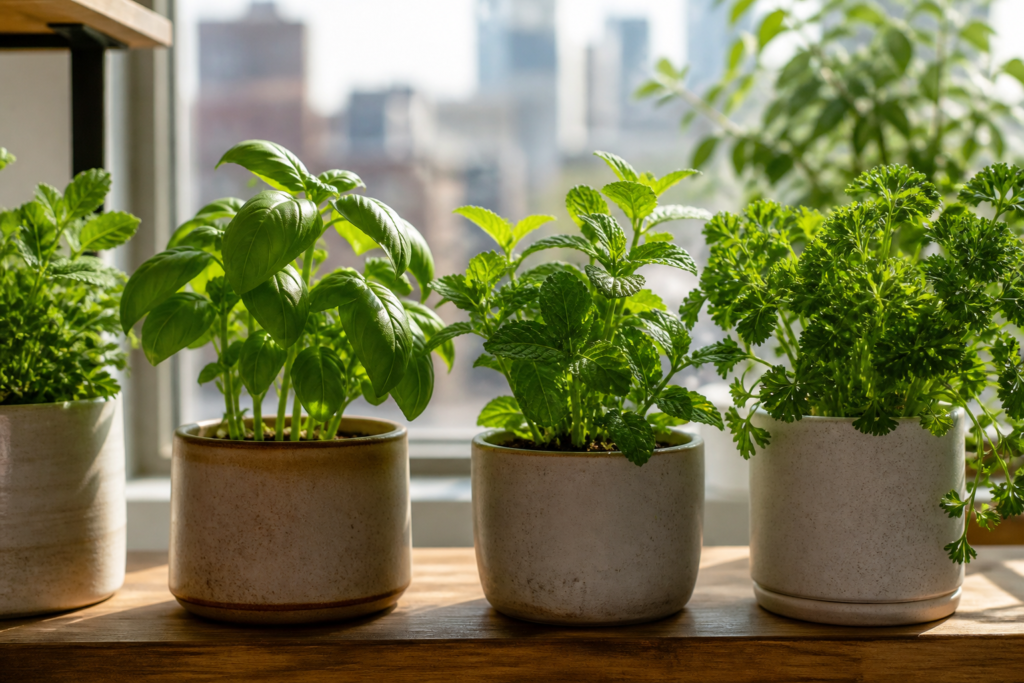
Make Your First Three Containers Count
Apartment gardening becomes easier when every container has a clear job. Choose a location with known light, use a pot with drainage, and select a plant whose mature size fits the space. A sunny basil pot, a shallow lettuce planter, and a compact flowering or foliage plant give you three different lessons without creating an unmanageable workload.
Check moisture with your finger, rotate plants when growth leans, and record changes for the first month. If a crop struggles, change one factor at a time—light, watering frequency, container position, or feeding—so you can identify the cause rather than replacing everything.
Expand only after you have maintained the starter garden for several weeks. Then you can add patio tomatoes, dwarf peppers, strawberries, hanging pots, a safe trellis, or a countertop growing system based on evidence from your own apartment. The most useful gardening tool is not a larger collection of supplies; it’s a repeatable routine.
Key Takeaways
- Start with three to five containers after auditing space, sunlight, safety, pets, and building rules.
- Match plants to light and container depth: herbs and lettuce need less space, while tomatoes and peppers need stronger light and larger, stable pots.
- Use potting mix rather than dense garden soil, and treat drainage as non-negotiable for every container.
- Water based on soil moisture and plant conditions, not a fixed calendar; empty trays to prevent leaks and root problems.
- Begin with one herb, one leafy crop, and one suitable plant, then expand only after your routine is working.
Frequently Asked Questions
Can you grow vegetables in an apartment?
Yes. Compact tomatoes, dwarf peppers, bush beans, radishes, lettuce, baby carrots, microgreens, strawberries, and herbs can grow in containers indoors or on an approved balcony. Choose varieties according to light, container depth, and the amount of daily care you can provide.
What are the best plants for apartment gardening?
Basil, chives, parsley, thyme, lettuce, microgreens, radishes, patio tomatoes, dwarf peppers, and strawberries are practical choices. Herbs and leafy greens are usually easiest for beginners, while fruiting plants need stronger light, larger containers, feeding, and sometimes hand-pollination.
How much sunlight do apartment plants need?
Full-sun crops generally need several hours of direct light, while partial-shade crops tolerate less and many foliage plants prefer bright indirect light. Track sunlight exposure for one clear day because curtains, tinted glass, nearby buildings, and seasonal sun angles can significantly change the light reaching a windowsill.
How do you prevent water damage when gardening indoors?
Use containers with drainage holes, place them inside leak-resistant trays or waterproof cachepots, water slowly, and empty trays after excess water drains. Keep plants away from electrical equipment and water-sensitive floors, and test any self-watering or wick system before leaving home.
Can apartment gardening work without natural sunlight?
Yes. Grow lights can support herbs, leafy greens, seedlings, and some fruiting crops when a room has little or no natural light. Hydroponic and aeroponic systems are additional options, but they require electricity, nutrient solution, cleaning, and regular monitoring.
Are balcony planters allowed in a rental apartment?
Not always. Review your lease and building rules before using window boxes, railing planters, hanging pots, trellises, or exterior hooks, and obtain written permission where required. Never block exits, overload a balcony, attach hardware to a damaged railing, or allow water to drip onto lower balconies.