Gardening in an Apartment: A Beginner’s Step-by-Step Guide
In This Guide
Start Small and Plan Your Apartment Garden First
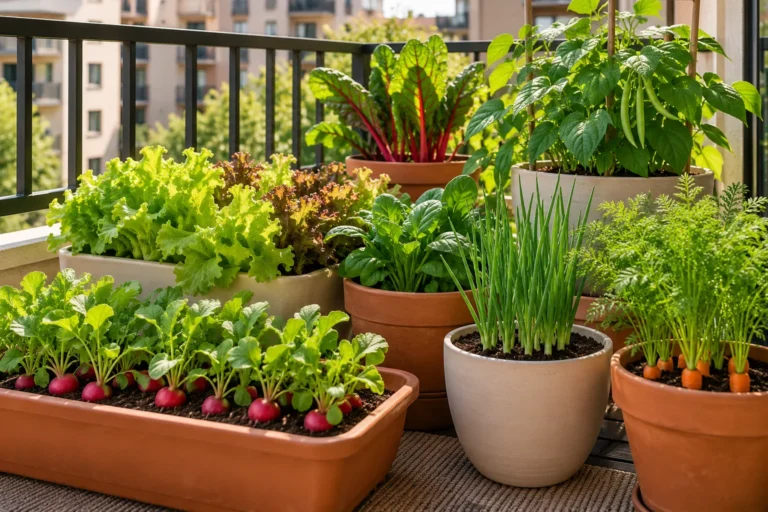
Gardening in apartment spaces can be simple, affordable, and surprisingly productive when you start with the right plan. Whether you have a sunny balcony, a bright windowsill, or just a small indoor area, you can grow herbs, leafy greens, and even compact vegetables without needing a traditional backyard.
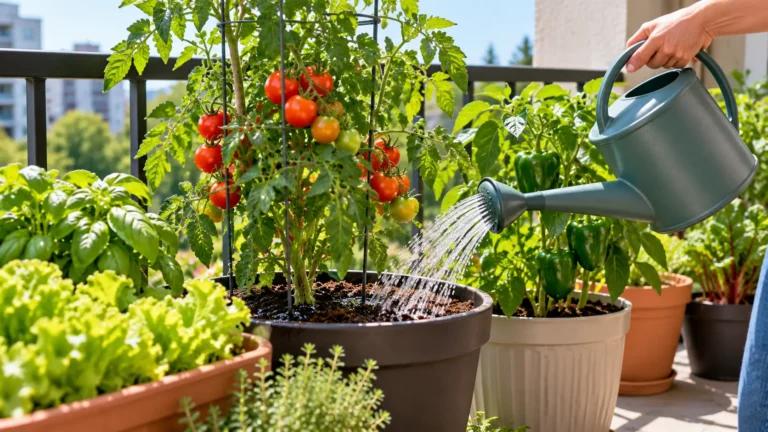
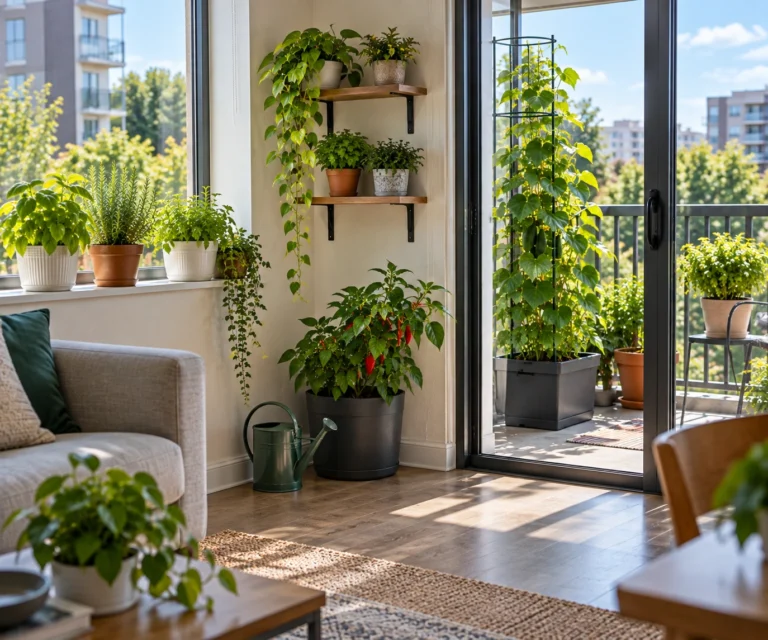
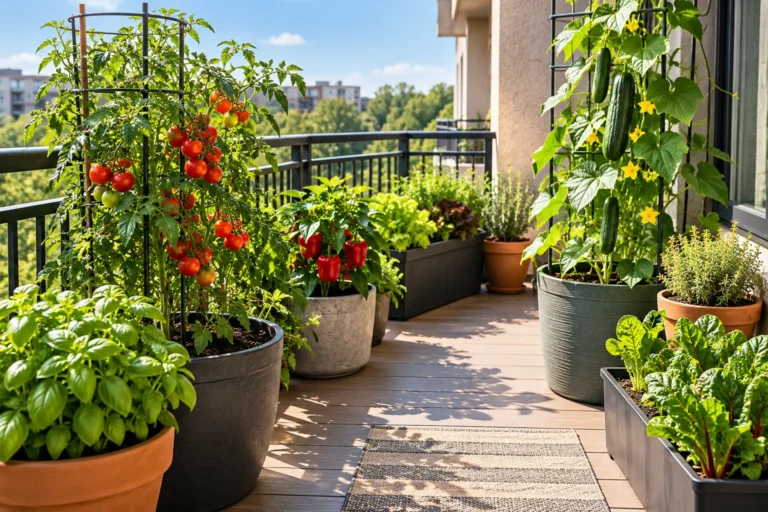
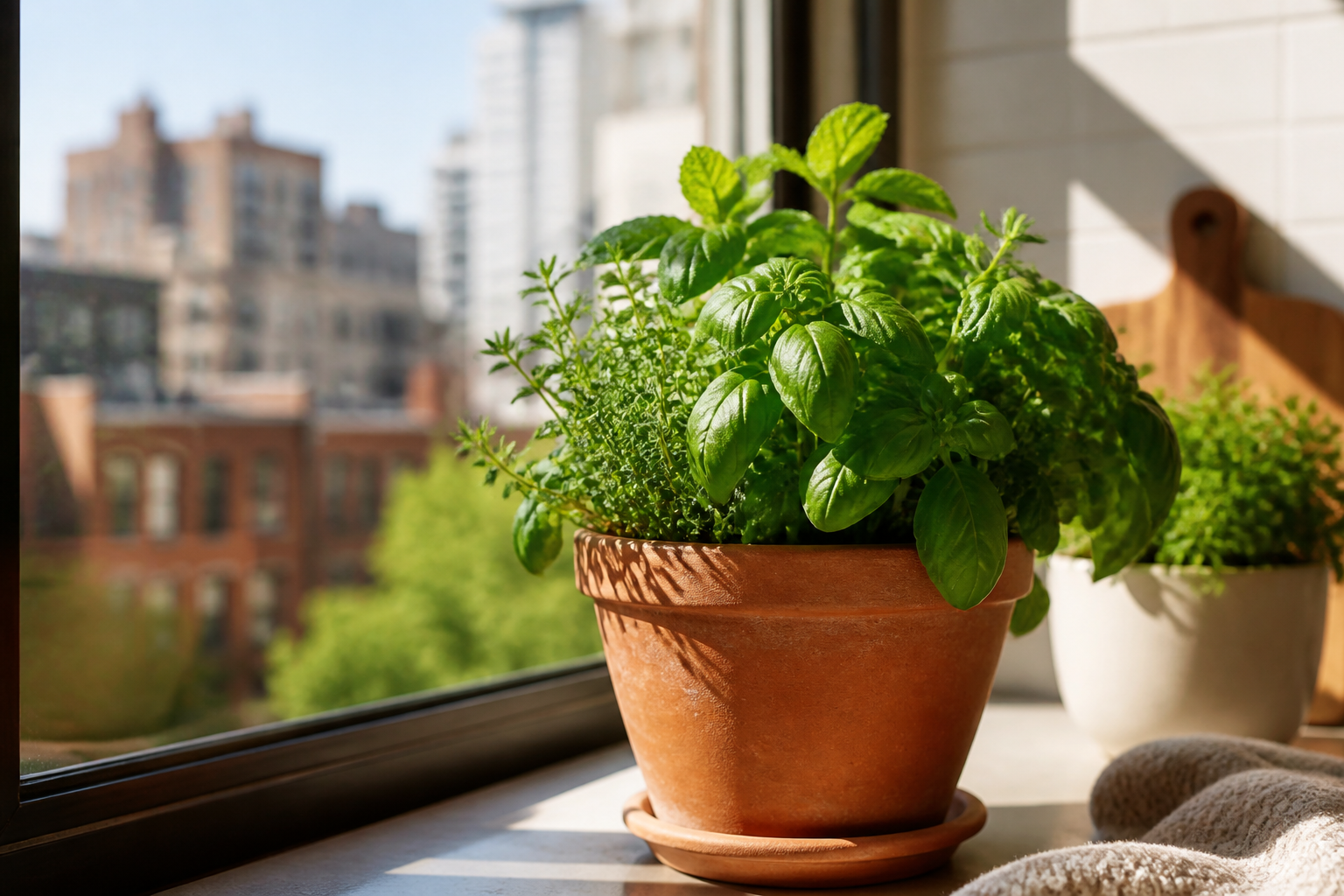
Start with two or three manageable plants rather than filling every windowsill, balcony, and shelf. A sunny window can work well for herbs such as basil and chives, while lettuce and arugula may perform well in bright conditions with less intense heat. If you have an approved balcony, you may also have room for compact tomatoes, herbs, or container vegetables. Indoor and outdoor growing can work together when you account for drainage, weather, and seasonal changes.
The process is straightforward: assess your space, check building rules, measure the available light, select suitable plants, choose containers and potting mix, plant carefully, establish a watering routine, and monitor your results. Wait until your first few plants are growing reliably before adding more containers or equipment. For a broader introduction, see our Apartment Gardening: The Complete Beginner’s Guide. Your first apartment garden should feel manageable—not like a second job.
1. Evaluate Your Space Before Buying Anything
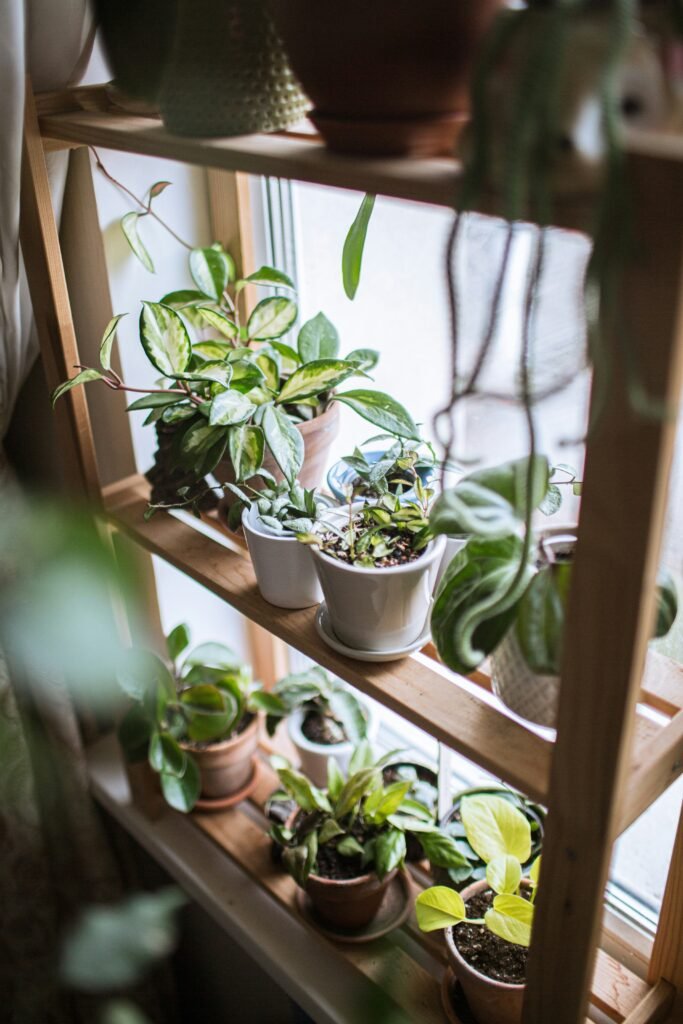
The first step in growing plants indoors is to inspect every possible growing location before purchasing a pot. List south-, east-, and west-facing windows, a kitchen counter garden, a shelf, a patio, a balcony, and any indoor plant stand. North-facing windows may still support tolerant herbs or foliage plants, but edible crops usually need more light.
Measure width, depth, and height at each location. Check how easily you can reach a water source and whether containers would block a walkway, radiator, air-conditioning vent, window, door, or emergency exit. A 12-inch pot may fit on a sill but still prevent the window from opening, which makes it a poor choice.
Use this simple worksheet:
- Location: kitchen counter, balcony, window, or shelf
- Dimensions: usable width, depth, and height in inches or centimeters
- Light: direct sun, bright indirect light, partial shade, or low light
- Water: nearest sink or practical carrying route
- Conditions: heat, drafts, wind, and temperature changes
- Capacity: maximum practical plant count without clutter
Small-space gardening works best when you prioritize a few productive containers. Use vertical gardening only where a secure, approved support exists. Plan on spending a few minutes several times each week checking soil moisture, new growth, pests, and plant condition rather than waiting for one long maintenance session. Record what you observe during your first week before buying more plants..
2. Check Lease and Balcony Rules
Before installing a window box, hanging pot, hook, trellis, railing planter, or permanent exterior fixture, read your lease and building or HOA rules. Permission may be required for an item attached to a railing, wall, ceiling, window frame, or building exterior, even if the planter feels lightweight. This check should happen early in gardening in apartment planning, because removing an unauthorized fixture after installation can damage property or cost money.
Balconies also require practical safety decisions. Wet potting mix is substantially heavier than dry mix, and several containers can create a concentrated load. Do not assume a balcony can support unlimited planters; ask the landlord or property manager about posted load limits, approved locations, railing height, and wind restrictions.When possible, place containers in stable locations away from exposed edges and follow any placement requirements established by your property manager or building rules.
Control drainage runoff with saucers, trays, waterproof mats, or self-watering containers. Water dripping onto a lower balcony can stain walls, damage flooring, and create conflict with neighbors.
If you need permission for a balcony or exterior setup, provide the property manager with the following information:
- Identify the proposed container or fixture.
- Estimate its combined weight when wet.
- Describe the drainage method and drip protection.
- List the attachment point, if any.
- Explain how wind will be managed.
- Provide a removal plan that leaves no damage.
Request written approval rather than relying on a casual conversation. These precautions make gardening in apartment buildings safer for you, the structure, and other residents.
3. Measure Sunlight and Choose the Right Growing Location
Light determines what you can grow more reliably than the size of the pot. For one full day, observe each possible location and record the hours of direct sunlight, bright indirect light, shade, reflections, and changes caused by curtains or nearby buildings. Repeat the check on another day if weather changes significantly. This measurement is one of the most useful steps in small-space gardening.
Direct sunlight reaches the leaves without being scattered first. Full-sun plants generally perform best with about 6 or more hours of direct sunlight per day, although exact requirements vary by plant. Bright indirect light can support some herbs and leafy greens, but light requirements vary. Basil generally performs best with strong light and several hours of direct sun when available, while lettuce and some leafy greens can tolerate less intense conditions. Low light still means usable daylight, not a completely dark room, but edible growth will be slower and thinner.
Glass, balcony walls, curtains, winter sun angles, and neighboring buildings can reduce usable light. The University of Minnesota Extension’s light guidance explains how plant placement affects growth. Rotate containers every few days if stems lean toward a window, but do not move a plant abruptly from shade into intense afternoon sun; increase exposure gradually over about a week.
When natural light is insufficient, a grow light can provide a consistent daily schedule, especially during winter. Place it close enough to illuminate the foliage according to the manufacturer’s directions and use a timer so the schedule remains steady. Good light is the foundation of gardening in apartment spaces, so select plants only after observing the location.
4. Decide What to Grow: Two or Three Beginner-Friendly Plants
Choose plants after checking light, container depth, mature size, shelf or floor space, and your ability to water and monitor them. For beginners, a sunny window can support basil, chives, and thyme. A cooler bright location is often better for lettuce or arugula. Compact cherry tomatoes are better as a second-stage project unless you have strong light, enough container space, and time for regular watering and plant support.
Herbs provide frequent small harvests: snip basil leaves, chives, thyme, or oregano as needed. Leafy greens stay relatively compact but may require repeated sowing every few weeks for a continuous supply. Cherry tomatoes need more root space, stronger light, a stake or trellis, and closer moisture monitoring than basil or chives.
| Condition | Good first choices | Container guidance | Maintenance |
|---|---|---|---|
| Sunny window | Basil, chives, thyme | 6–8 inches deep | Low to moderate |
| Bright, cooler light | Lettuce, arugula | 6–8 inches deep | Moderate; sow again |
| Strong direct light or an appropriate grow-light setup | Compact cherry tomato | Follow variety/container guidance; usually a substantially larger pot than herbs | Higher maintenance; support and consistent watering |
Vegetables that can grow inside an apartment include lettuce, arugula, compact leafy greens, and selected herbs. Fruiting crops generally require more intense light because producing flowers and fruit consumes more energy. Choose two dependable plants and one optional experiment; that balance keeps your apartment garden encouraging instead of overwhelming.
5. Choose Containers With Drainage and Safe Placement
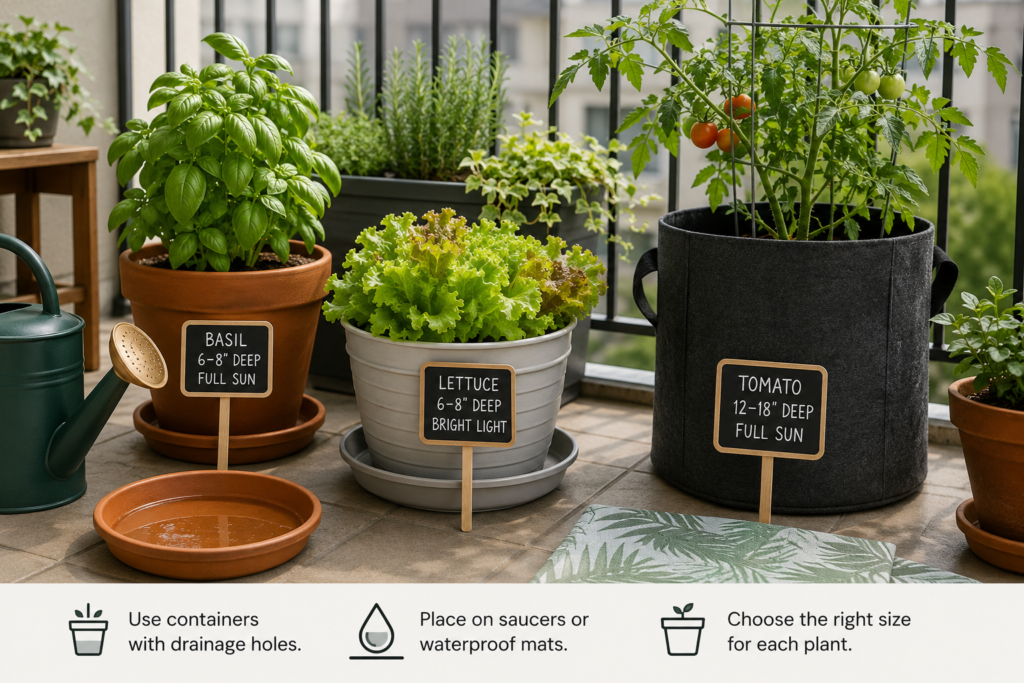
Every edible plant container needs a drainage path. An attractive pot without a hole can hold water around the roots, causing oxygen deprivation and root problems. For gardening in apartment setups, use a nursery pot with drainage holes inside a decorative cachepot, then empty collected water when appropriate.
Match the container to the plant’s mature root system rather than automatically buying the largest pot. Many lettuce and arugula varieties can grow in relatively shallow containers, often around 6–8 inches deep, provided the container offers enough surface area and drainage. Basil, chives, thyme, and oregano generally need more room as they mature, while a compact cherry tomato commonly needs a 12-to-18-inch-deep container and support. A large pot also holds more wet mix and may be difficult to move safely.
Window boxes, fabric pots, railing planters, and self-watering containers each have a place. Hanging pots save floor space, but they require an approved, load-rated hook and permission for the ceiling or wall. Balcony containers should sit on stable bases away from exposed edges, and you should estimate the combined weight of the pot, wet mix, plant, and saucer before adding multiple units.
- Place a waterproof tray beneath indoor pots.
- Use a liner or mat on shelves and windowsills.
- Keep drainage water away from walls, wood, and electrical equipment.
- Leave clear access around doors, railings, and walkways.
Vertical gardening is useful only when its support is secure and permitted. Safe container placement protects your home while making container gardening in an apartment easier to maintain.
6. Use the Right Potting Mix and Essential Supplies
Use a quality indoor or container potting mix instead of dense garden soil. Outdoor soil can compact in a pot, restrict air movement around roots, and drain poorly. A typical mix combines moisture-holding organic matter with aeration materials and a structure that allows excess water to leave; you do not need an advanced soil formula for your first gardening in apartment setup.
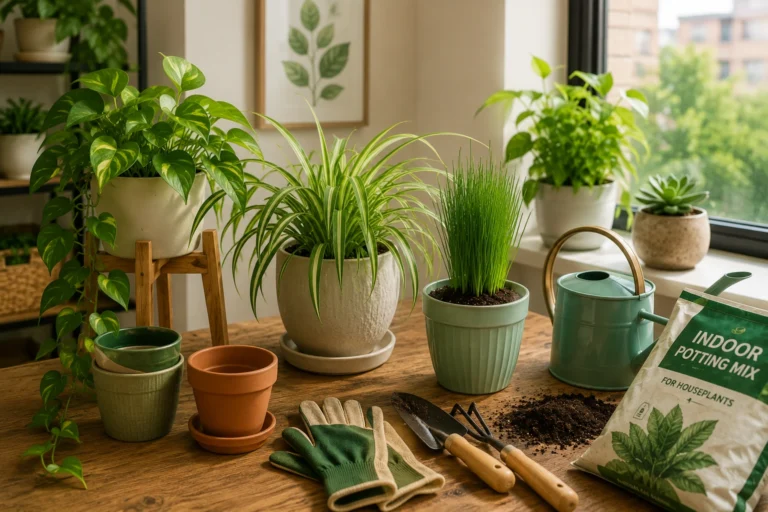
Minimum Apartment Gardening Shopping List:
- Two or three containers with drainage holes
- Indoor or container potting mix
- Seeds or healthy seedlings
- A small watering can
- Plant labels and a pencil
- Saucers, trays, or waterproof mats
- Clean pruning scissors
Add optional supplies only when a specific need exists. A simple trellis helps a climbing tomato, a grow light helps an underlit room, and a self-watering reservoir can help frequent travelers. Self-watering does not mean maintenance-free: reservoirs still need refilling and cleaning.
Set a written budget ceiling before shopping. A basic apartment garden can be inexpensive if you begin with a few containers, potting mix, and seeds or seedlings. Grow lights, self-watering systems, decorative planters, and hydroponic equipment can increase the cost quickly, so add them only when your growing conditions justify the expense. Prices vary by location and equipment.
For more ways to keep startup costs down, explore our very small garden ideas on a budget for affordable ways to make the most of limited growing space.
Compare the low upfront cost of seeds with the convenience of seedlings, and buy supplies only for your first two or three plants. Postpone hydroponics and large indoor systems until you understand your space, light, and watering routine.
7. Plant Correctly and Establish a Moisture-Based Routine
Correct planting gives roots air, water, and room to develop. Follow these steps for gardening in apartment containers:
- If potting mix tends to wash through large drainage holes, loosely cover the opening with a small piece of mesh or screen while keeping the hole unobstructed
- Fill the container with lightly moistened potting mix.
- Position the seedling at the same depth it was growing, unless its label says otherwise.
- Firm the mix gently so roots make contact without compacting it.
- Water thoroughly until a little drains from the bottom.
- Let excess water drain before returning the pot to its tray.
For lettuce, arugula, basil, and chives, follow the seed packet’s depth and spacing instructions. Small seeds are often planted shallowly; burying every seed deeply can prevent emergence. Thin crowded seedlings so mature plants have airflow and root space. When transplanting, move seedlings carefully and introduce outdoor plants to balcony conditions over several days.
Do not water by calendar alone. Feel the upper layer of mix, inspect leaf firmness, and lift a lightweight pot to compare its weight after watering. Direct sun, indoor heat, balcony wind, and porous fabric containers can all increase water loss. Constantly saturated soil is as problematic as severely dried-out mix.
Self-watering containers suit travelers, but check the reservoir, clean it, and inspect the root zone periodically. Once your first two or three plants are growing reliably, experiment gradually. Add one new plant, container, or growing method at a time so you can tell what works in your apartment without creating an unmanageable setup. Adjust that ratio if your light is limited. A moisture-based routine makes gardening in an apartment much more predictable.
8. Observe Growth and Solve Common Beginner Problems
Schedule two short observation sessions each week. Check new growth, leaf color, wilting, soil moisture, drainage, pests, wind damage, and whether stems lean toward light. Early observation prevents small problems from becoming expensive replacements when gardening in an apartment space.
| Symptom | Likely cause | First correction |
|---|---|---|
| Yellow leaves | Overwatering, poor drainage, or aging leaves | Check drainage and let the mix partly dry |
| Leggy growth | Insufficient light | Move closer to bright light or add a grow light |
| Crispy edges | Dry mix, heat, or low humidity | Check moisture and move away from vents |
| Moldy soil | Persistent surface moisture and low airflow | Reduce watering and improve airflow |
| Slow growth | Low light, cold roots, or crowded plants | Improve light and thin overcrowding |
| Drooping plants | Dry roots, saturated roots, heat, or shock | Check the mix before watering again |
For pests, isolate the affected container, inspect leaf undersides, rinse foliage when suitable, and remove heavily damaged leaves. Fungus gnats often appear around persistently wet mix; aphids cluster on tender growth; spider mites prefer hot, dry conditions and may leave fine webbing. If necessary, use an appropriately labeled insecticidal soap, following the label for edible crops. Never apply household cleaners or unverified remedies to food plants.
Prevent disease with airflow, clean scissors, dry foliage before evening, prompt removal of dead leaves, and fresh mix when repotting. The University of Minnesota Extension pest guidance and U.S. Environmental Protection Agency label information provide reliable references. Prune, move, repot, harvest, or remove a plant when repeated treatment is less sensible than replacing it.
9. Adapt Apartment Gardening to Seasons and Microclimates
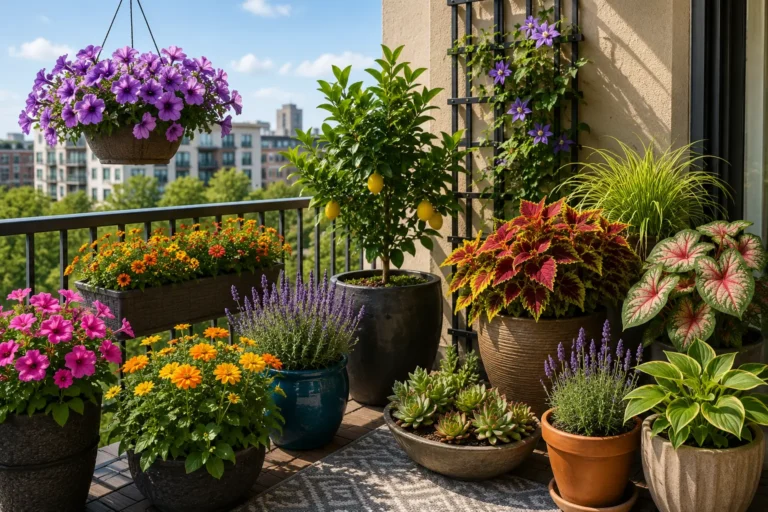
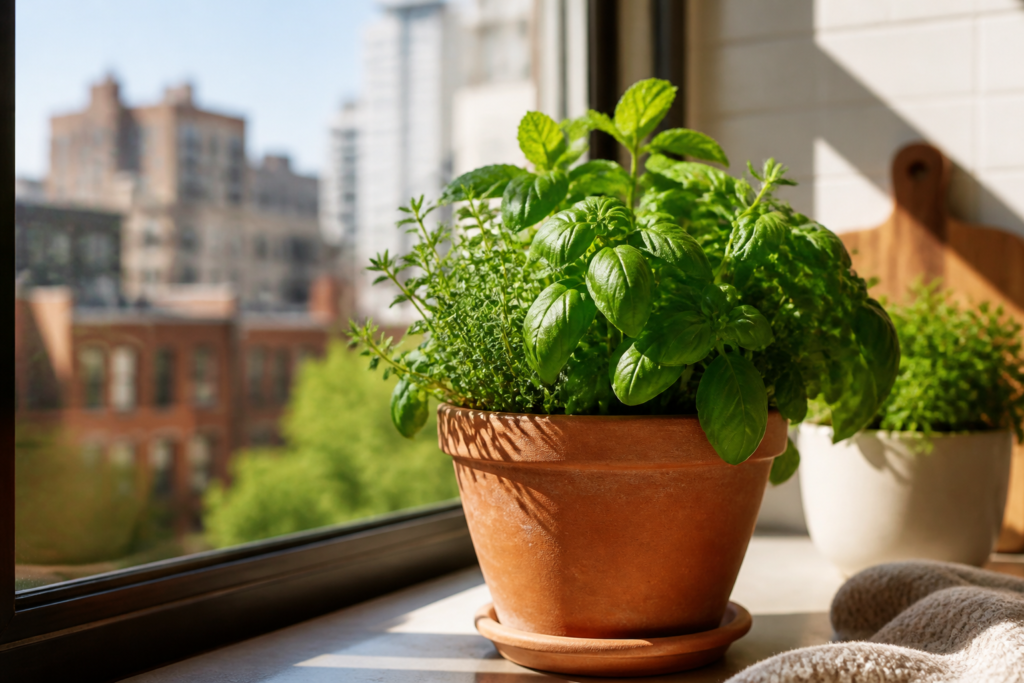
One apartment can contain several microclimates: a warm, dry window above a radiator, a cooler kitchen counter, a shaded balcony, and a windy exposed corner. The same plant may need different care throughout the year as sun angles, indoor heating, air conditioning, and balcony wind change.
Use the USDA Plant Hardiness Zone Map when choosing outdoor balcony or patio plants, but remember that a building’s exposure may be warmer or colder than the zone suggests. A high balcony can experience stronger wind, while a sheltered wall may retain heat. Indoor temperatures and cold glass also create conditions that outdoor zone labels cannot fully describe.
A simple seasonal plan is enough for a first setup. Start herbs and leafy greens indoors, monitor winter light, and move containers outdoors gradually during mild weather. Protect plants from sudden temperature drops rather than carrying them outside after weeks in a warm room. In winter, move pots away from cold glass and heat vents, reduce watering as growth slows, and use a grow light when daylight is inadequate.
Consistency matters more than building a large collection quickly. Keep a brief note of watering, light, and temperature changes for four weeks. This record will show whether gardening in apartment conditions are stable enough for another plant.
10. Expand Your Apartment Garden Gradually
A successful first garden is one you can inspect, water, harvest, and troubleshoot without cluttering your home or creating drainage and safety problems. Use this final checklist for your apartment garden:
- Confirm lease, landlord, HOA, and building rules.
- Choose one suitable indoor, balcony, patio, or combined location.
- Measure direct and indirect light.
- Select two or three plants that match the conditions.
- Buy containers with drainage and protect the surface underneath.
- Use container potting mix rather than dense garden soil.
- Plant at the correct depth and spacing.
- Check moisture consistently instead of watering automatically.
Your first goal isn’t to fill every available space with plants. It is to create a small setup you can maintain consistently. Once you know which locations provide enough light, how quickly your containers dry, and which plants perform well, expand one step at a time.
Once you’re ready to expand beyond your first few plants, explore our 15 Best Apartment Gardening Ideas for Small Spaces for additional indoor, balcony, and vertical-garden options.
Key Takeaways
- Check your lease, building rules, balcony limits, and drainage requirements before installing or placing containers.
- Measure actual light and space first; then choose two or three plants that match those conditions.
- Use appropriately sized containers with drainage holes, quality potting mix, and surface protection.
- Water according to moisture checks rather than a rigid calendar, and observe plants twice each week.
- Wait until the first setup works before adding more containers, trellises, vertical equipment, or advanced systems.
Frequently Asked Questions
What do I need to start a garden in an apartment?
Start with two or three containers with drainage holes, quality potting mix, suitable seeds or seedlings, waterproof saucers, and a small watering can. Add a grow light only if your available natural light is insufficient for the plants you want to grow.
Where is the best place to put plants in an apartment?
The best location depends on the plant. Observe your windows and other growing areas throughout the day, then match each plant to the amount of direct or indirect light available. Avoid locations next to strong heating or cooling vents and keep containers clear of walkways and exits.
Is it healthy to have plants in your apartment?
Plants can make an apartment feel more pleasant and give you a practical routine, but they still need suitable light, drainage, and pest monitoring. Keep soil and standing water controlled, avoid blocking ventilation or exits, and choose non-toxic, pet-safe plants when animals or children share the home.
What vegetables can I grow inside my apartment?
Lettuce, arugula, compact leafy greens, and herbs such as basil, chives, thyme, and oregano are suitable starting choices. Cherry tomatoes and other fruiting plants usually need stronger direct sunlight, more root space, support, and closer watering attention.
How much sunlight do apartment plants need?
Requirements vary by plant. Fruiting crops such as cherry tomatoes generally need strong light and often perform best with around 6 or more hours of direct sunlight, depending on the variety and growing conditions. Leafy greens and some herbs can tolerate less intense light.
Can you grow herbs in an apartment without a balcony?
Yes. A bright windowsill, kitchen counter garden, or indoor plant stand can support basil, chives, thyme, and oregano when the plants receive enough usable light. Use containers with drainage and place a waterproof tray beneath them to protect the surface.